
Who We Are
Connecting people, places and stories across Europe through Jewish heritage.
AEPJ, the European Association for the Preservation and Promotion of Jewish Culture and Heritage, is a network of organisations across Europe, including public bodies, private foundations, Jewish communities and NGOs. By connecting these organisations across borders, AEPJ strengthens their capacity to preserve, interpret and promote Jewish heritage, while giving local initiatives greater European visibility and impact.
We approach Jewish heritage as both a historical legacy and a living culture. It is found in sites, monuments and collections, but also in languages, music, food, traditions, ideas and contemporary Jewish life. Together, these tangible and intangible expressions tell a European story shaped by migration and persecution, but also by coexistence, exchange and mutual enrichment. Our work helps ensure that this heritage remains visible, accessible and relevant to present and future generations.
Since its establishment in Luxembourg in 2004, AEPJ has developed cultural and educational programmes, professional training, practical resources and international partnerships. Through the European Days of Jewish Culture and the European Routes of Jewish Heritage, certified as a Cultural Route of the Council of Europe, AEPJ connects local initiatives within an open European framework that encourages participation, cultural diversity and intercultural dialogue.
How We Work Across Europe
We turn European cooperation into practical opportunities for the people and organisations working with Jewish heritage.
Create programmes
We develop cultural and educational programmes that help people encounter Jewish heritage through places, stories, traditions and contemporary expression.
Build knowledge and skills
We provide training, practical tools and opportunities for exchange, supporting professionals and volunteers as they strengthen their work locally.
Connect people and organisations
We bring together communities, institutions, municipalities and experts so that experience can be shared and new partnerships can grow across borders.
Strengthen a European perspective
We promote Jewish heritage as an integral part of European culture and encourage approaches grounded in diversity, dialogue and shared responsibility.
It Began with an Open Door
A local initiative that grew into a shared European story.
AEPJ’s story began before the association had a name. It began with volunteers opening places that were usually closed, inviting the public to discover the Jewish history embedded in the landscapes around them. From Alsace, that simple gesture travelled across borders. It became a European day of culture, then a permanent network, and eventually a Cultural Route linking heritage sites and communities across the continent.
The organisation has grown, but the original idea remains at the heart of its work: heritage becomes meaningful when people can enter, encounter it and make it part of a shared present.
1996
Eighteen Jewish heritage sites open their doors in Alsace, welcoming around 4,000 visitors.
1999
The initiative becomes the European Day of Jewish Culture and expands across the continent.
2004
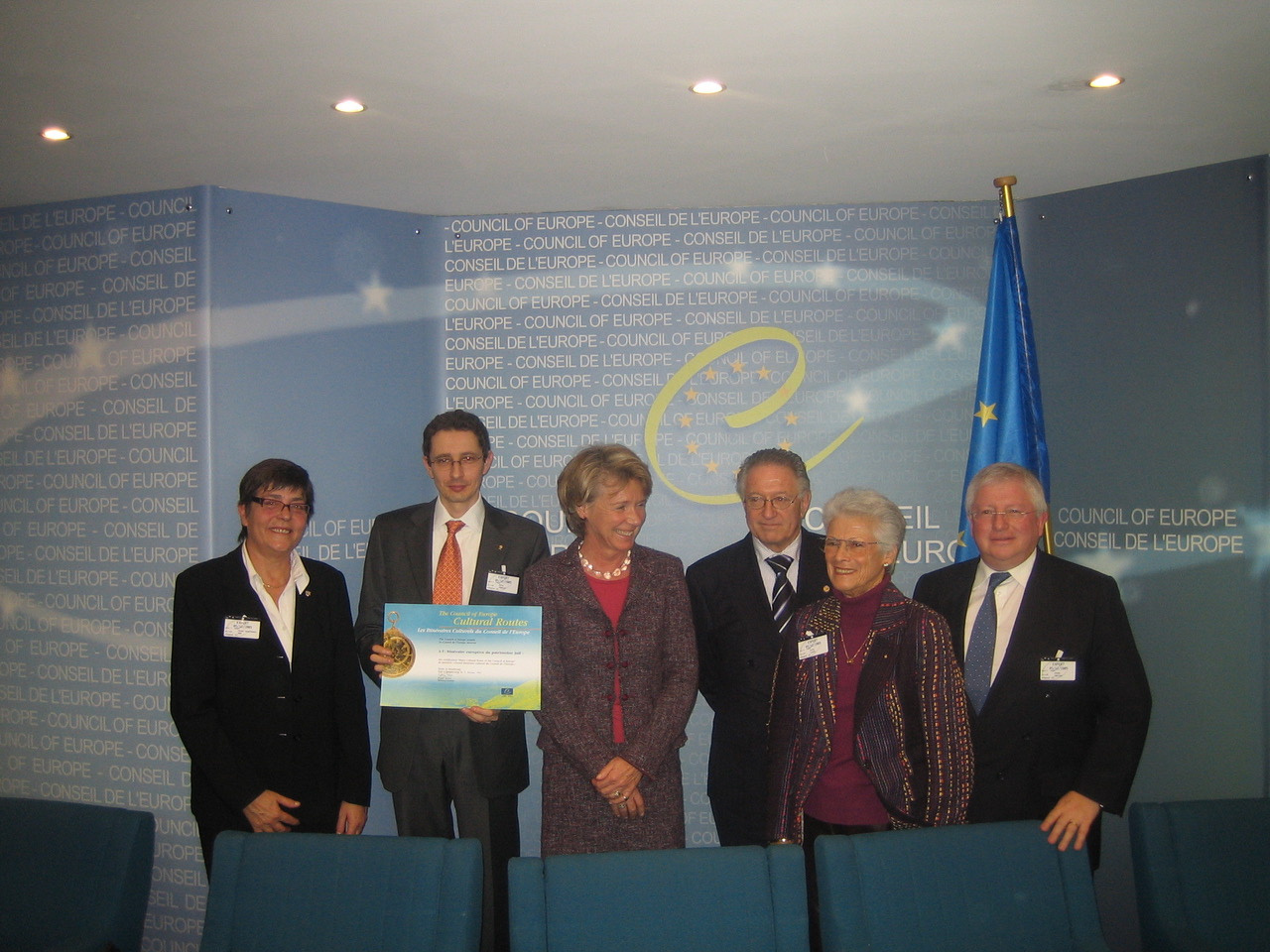
AEPJ is formally established in Luxembourg, and the European Routes of Jewish Heritage receives recognition as a Cultural Route of the Council of Europe.
2025
AEPJ marks twenty years as an association and twenty-five years of European cooperation around the European Days at the Council of Europe in Strasbourg.
“Doors to places that might otherwise remain unseen. Doors to stories that deserve to be heard.”
1996: The first doors open
The origins of AEPJ can be traced to Alsace, a region whose towns and villages preserve an exceptionally rich Jewish heritage. Many of its synagogues, cemeteries, ritual baths and former community buildings remained little known to the wider public. Some were difficult to access, while others faced neglect or abandonment.
Mrs. Claude Bloch had long believed that opening Jewish culture to others was essential. A meeting with Catherine Lehmann of the Bas-Rhin Tourism Development Agency brought together this vision and the practical means to act. With the involvement of the René Hirschler Association of B’nai B’rith and a dedicated group of volunteers, an inventory of local synagogues and cemeteries was prepared, and the first open day was organized.
In September 1996, eighteen Jewish heritage sites opened their doors. Thousands of people came, despite the rain, to discover places that were often close to home but absent from public awareness. The response revealed both a strong curiosity about Jewish history and a wider need to reconnect this heritage with the places and societies to which it belongs.
From a local initiative to a European idea
The success of the first open day encouraged its organizers to continue. The initiative soon expanded from the Bas-Rhin to the Haut-Rhin, Baden and Basel, reflecting the historical connections of Jewish communities across today’s national borders.
By 1999, sites in France, Germany, Switzerland, Italy and Spain were taking part. This geographical expansion was accompanied by an evolution in the program itself. The initiative was no longer limited to providing access to historic buildings. Concerts, exhibitions, lectures, guided visits and educational activities began to present the diversity of Jewish culture and its contribution to European life.
The open doors had become meeting places. Through them, visitors could encounter not only monuments, but also traditions, music, languages, memories and contemporary Jewish voices.
The European Days of Jewish Culture
In 2000, organizations from eleven additional countries joined the initiative, which became known as the European Day of Jewish Culture. Its coordination, led by Claude Bloch and François Moyse, the current president of AEPJ, brought together B’nai B’rith Europe, the European Council of Jewish Communities, the Red de Juderías de España and the Bas-Rhin Tourism Development Agency.
The model was European but remained firmly rooted in local participation. Communities, associations, municipalities, museums and volunteers developed their own programs while sharing a common theme and a collective European identity.
By 2001, the initiative was being promoted in twenty-two countries and had attracted audiences on an unprecedented scale. What had begun as an open day in Alsace had become an annual European celebration, bringing Jewish culture into the public space and creating encounters between Jewish and non-Jewish audiences.
This combination of local initiative and European cooperation would become one of the defining principles of AEPJ.
The creation of AEPJ
As the European Days continued to grow, their partners recognized the need for a permanent organization capable of supporting the network and developing a broader vision for Jewish heritage.
AEPJ was formally established in Luxembourg in 2004. Its purpose extended beyond coordinating an annual cultural event. The new association sought to support the preservation of Jewish sites, improve public access to Jewish history and culture, connect organizations across borders and encourage the development of Jewish heritage routes throughout Europe.
From its beginnings, AEPJ brought together a particularly diverse network. Jewish communities and organizations worked alongside heritage professionals, tourism bodies, museums, public authorities and cultural associations. This diversity reflected the understanding that Jewish heritage is simultaneously local and European, Jewish and shared, historical and living.
Creating a European Cultural Route
The experience of the European Days also inspired a more permanent way of connecting Jewish heritage across Europe. If the Days invited people to discover this heritage at a particular moment each year, a European route could connect places, stories and organizations over time.
The European Route of Jewish Heritage was created and certified as a Cultural Route of the Council of Europe in 2004. The Route placed Jewish heritage within a wider European cultural landscape, highlighting centuries of Jewish presence, mobility, creativity and exchange.
It also introduced a new way of experiencing this history. Rather than presenting Jewish heritage as a collection of isolated monuments, the Route reveals the relationships between places, communities and historical experiences across the continent. It supports local routes while connecting them to a shared European narrative.
Through this approach, Jewish heritage becomes a means of travelling through Europe’s diversity and of understanding how Jewish and non-Jewish histories have shaped one another.
From an association to a European platform
Over the following two decades, AEPJ grew steadily, and from a coordinating association it developed into a European platform for heritage, culture, education and cooperation.
The European Days of Jewish Culture continued to grow, with annual themes encouraging communities and cultural organizations to explore Jewish life from different perspectives. The European Route of Jewish Heritage expanded into a network of local and national routes, each rooted in its own territory while contributing to a common European story.
Alongside these flagship programs, AEPJ started organizing training, research, capacity building and international cooperation projects. It created opportunities for heritage professionals, communities, municipalities and civil society organizations to exchange knowledge, develop new skills and test innovative approaches.
This development did not replace the organization’s original purpose. It gave that purpose new forms. Opening physical doors evolved into opening access to knowledge, professional networks, cultural participation and European cooperation.
A living network
AEPJ’s history has been shaped by the commitment of many people and organizations. Volunteers, community leaders, heritage professionals, public authorities and cultural institutions have all helped protect sites, recover stories and make Jewish heritage visible.
Their work has also changed the way this heritage is understood. Jewish sites are not only remains of communities that once existed. They can be active cultural spaces, educational resources and places of encounter. Jewish heritage includes buildings and archives, but also music, languages, traditions, personal memories and contemporary cultural life.
In January 2025, AEPJ celebrated its twentieth anniversary at the Council of Europe in Strasbourg. The occasion recognized two decades of work connecting cultures and generations and reaffirmed Jewish heritage as an integral part of Europe’s shared history.
The story continues
The scale of the network has changed considerably since 1996, but its founding principle remains remarkably consistent: opening doors.
Doors to places that might otherwise remain unseen. Doors to stories that deserve to be heard. Doors between communities, generations and countries. Doors that allow Jewish heritage to be preserved while continuing to generate new knowledge, experiences and relationships.
This is the history on which AEPJ continues to build, connecting the inheritance of the past with the possibilities of Europe’s shared future.
Our Network
AEPJ is built on the knowledge, experience and commitment of its members. Our network brings together Jewish communities, cultural and heritage organisations, municipalities, foundations, research bodies and public institutions working in different contexts across Europe and beyond.
Each member contributes local expertise and a distinct perspective. Together, they exchange practices, develop joint initiatives and strengthen the visibility of Jewish heritage within a shared European framework. Explore the map and member organisations to discover the people and places that make up the network.
















Board of Directors
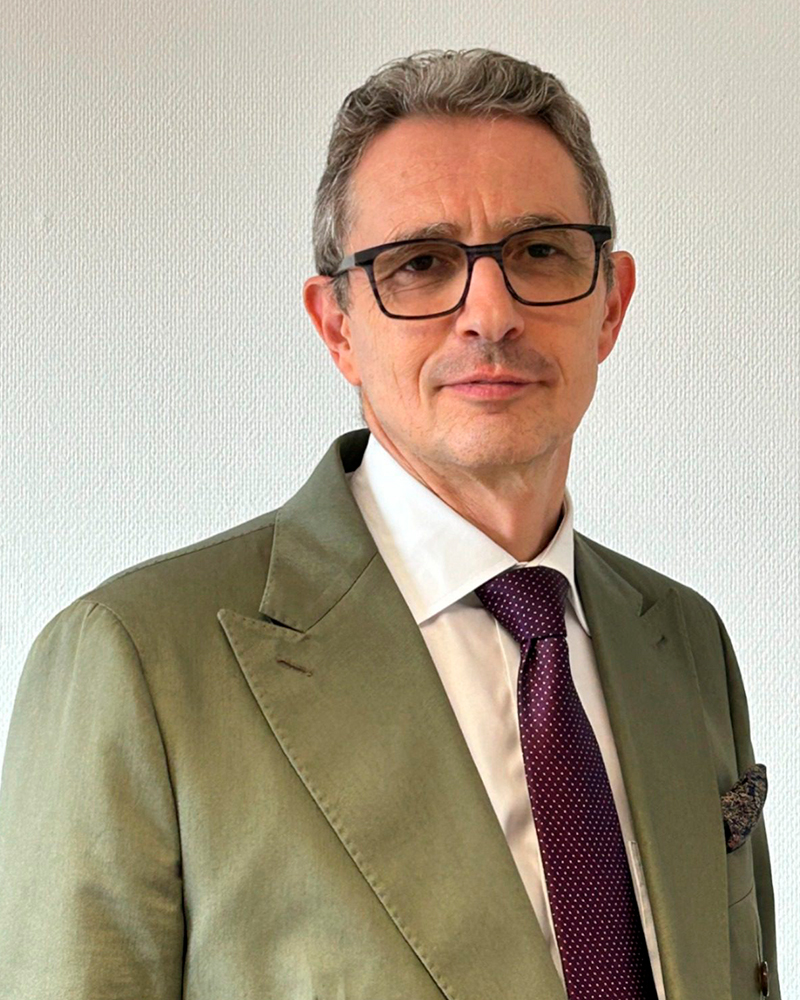
AEPJ is guided by a Board whose members bring experience from Jewish communities, cultural institutions, heritage organisations, public life and international cooperation. The Board defines the association’s strategic direction and supports its mission across Europe.
President
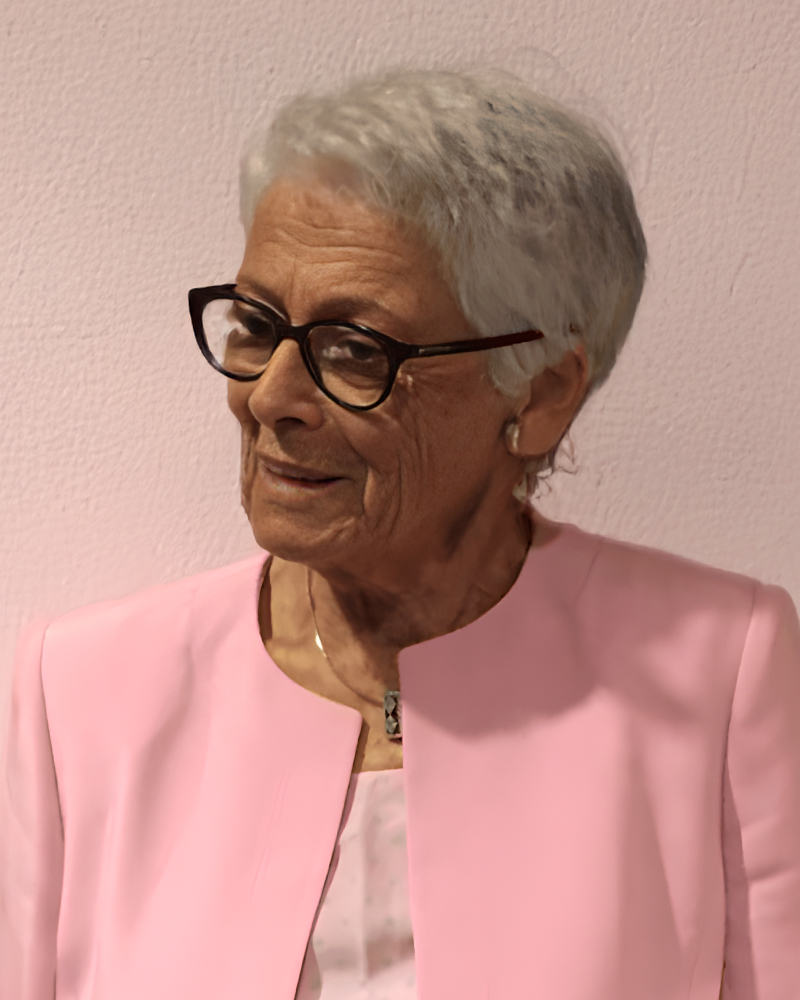
Honorary President

Vice-President
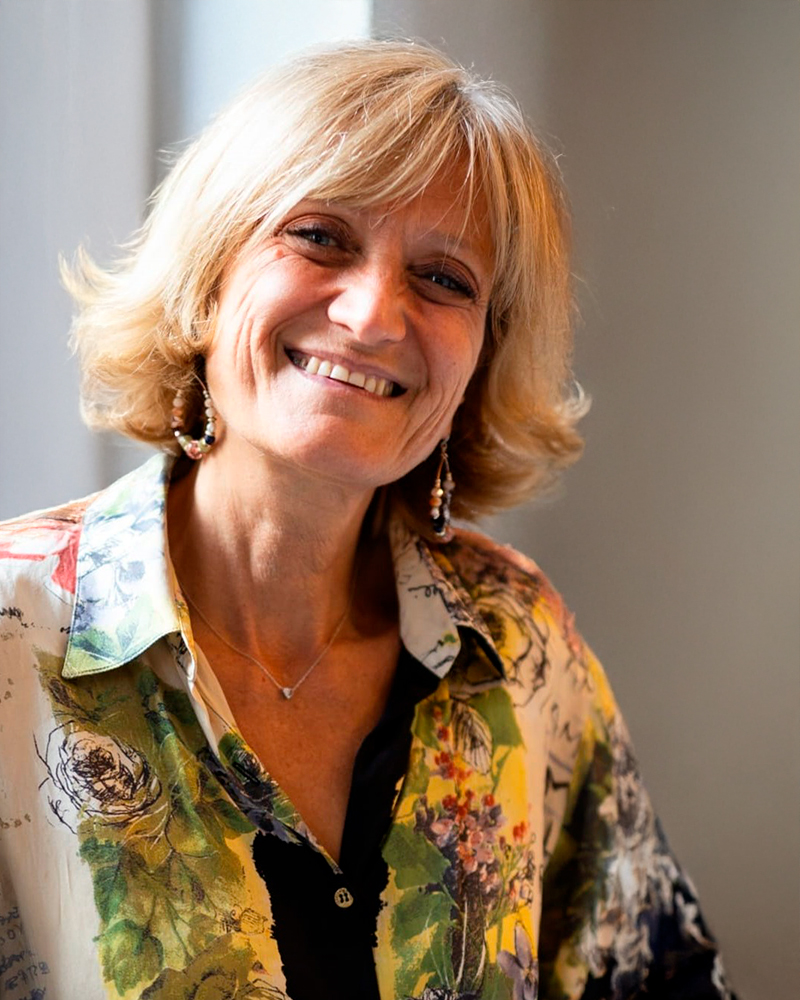
Secretary General
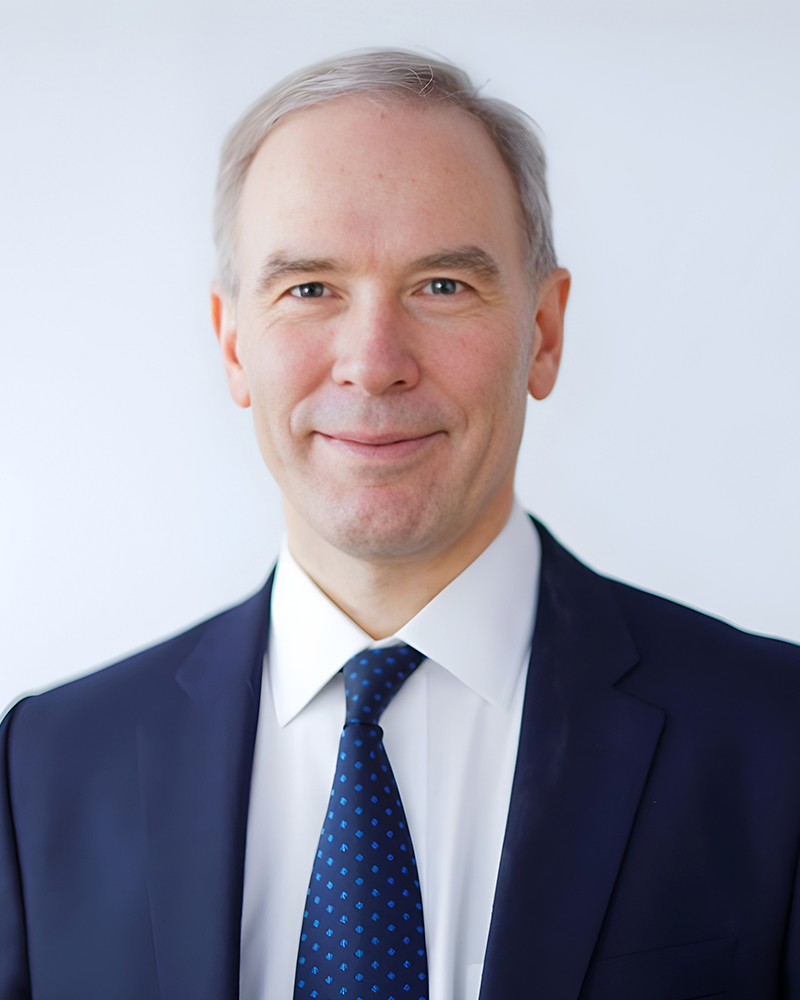
Treasurer

Board Member

Board Member
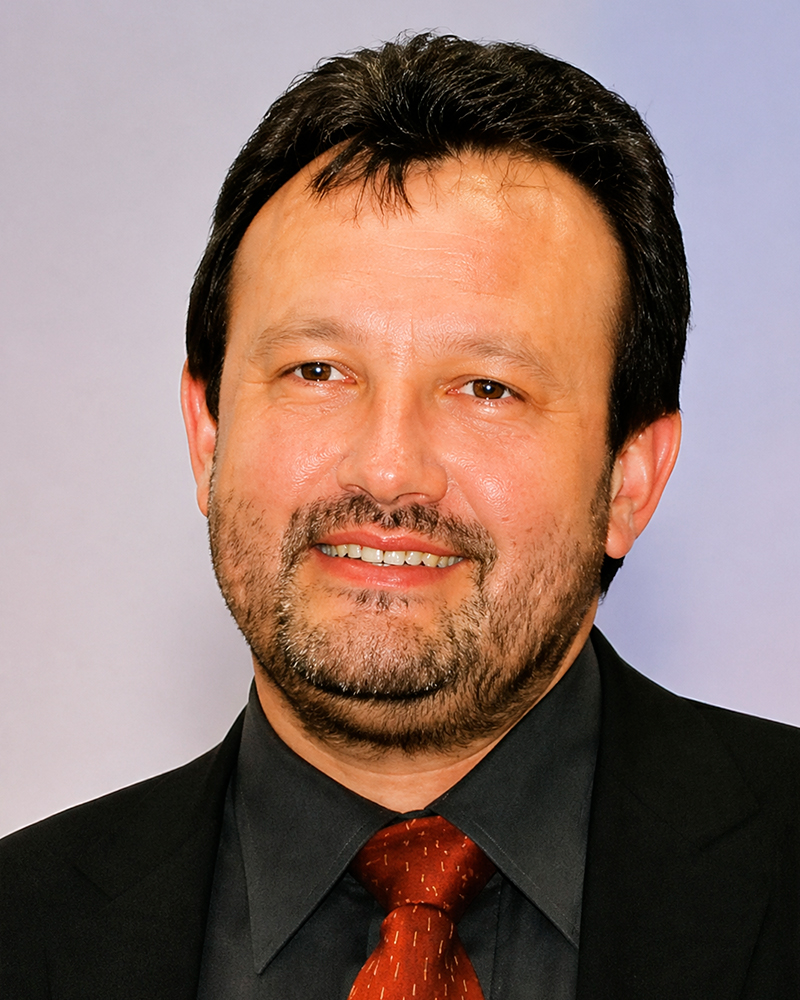
Board Member

Board Member
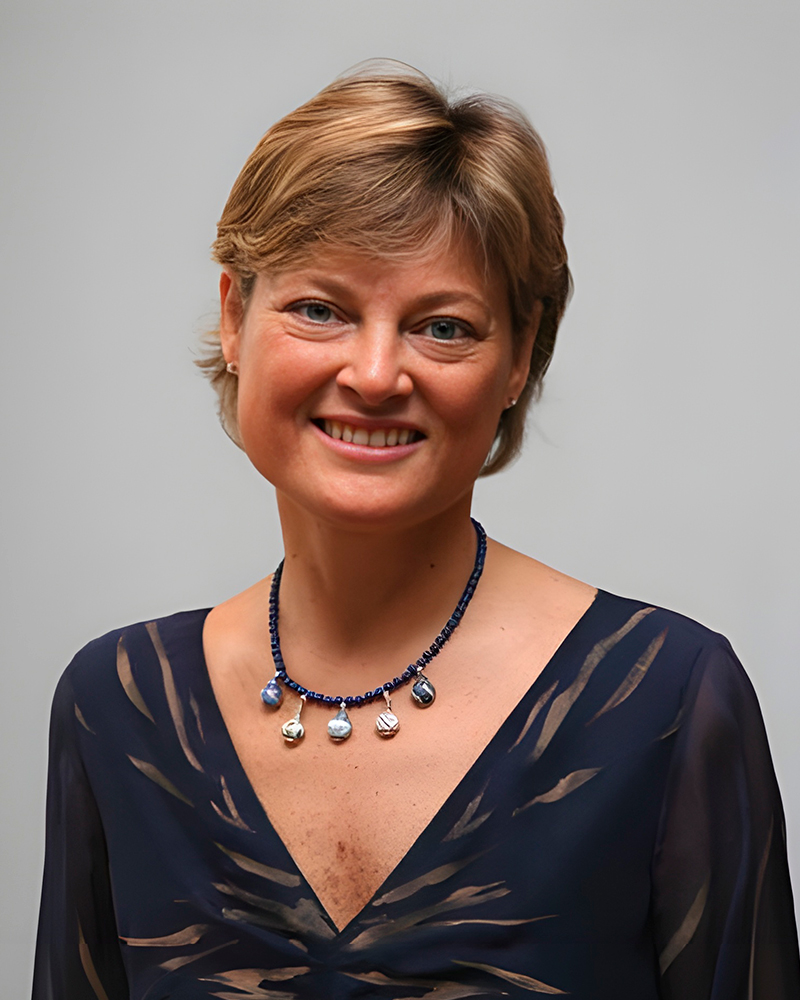
Board Member
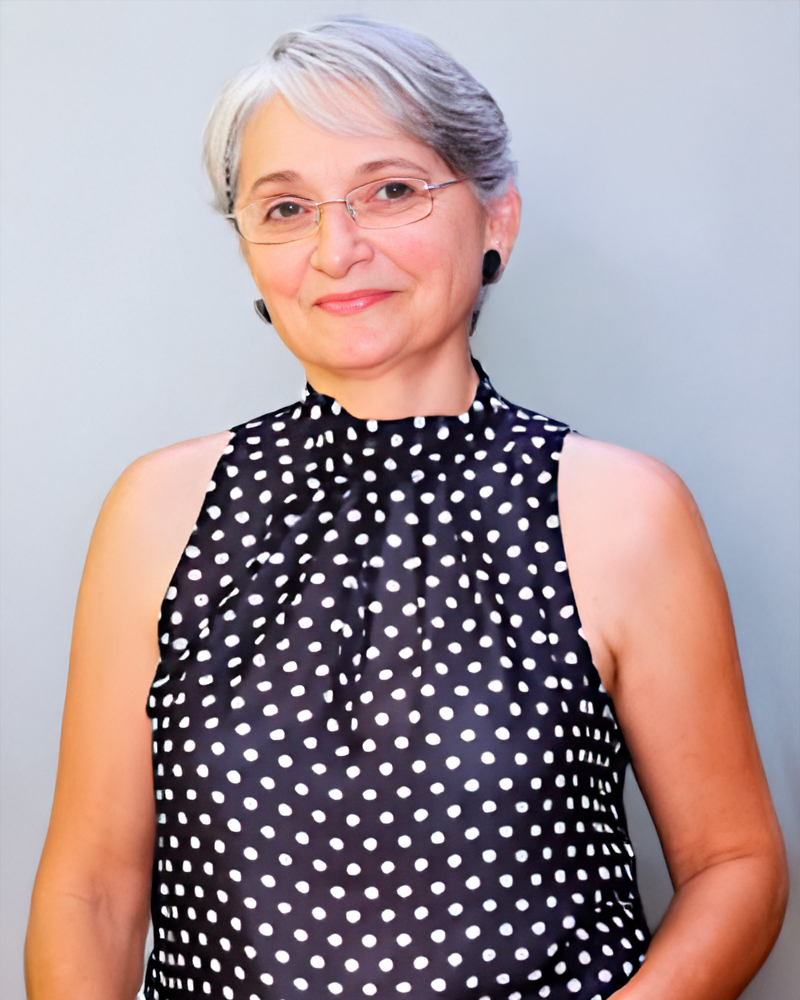
Board Member
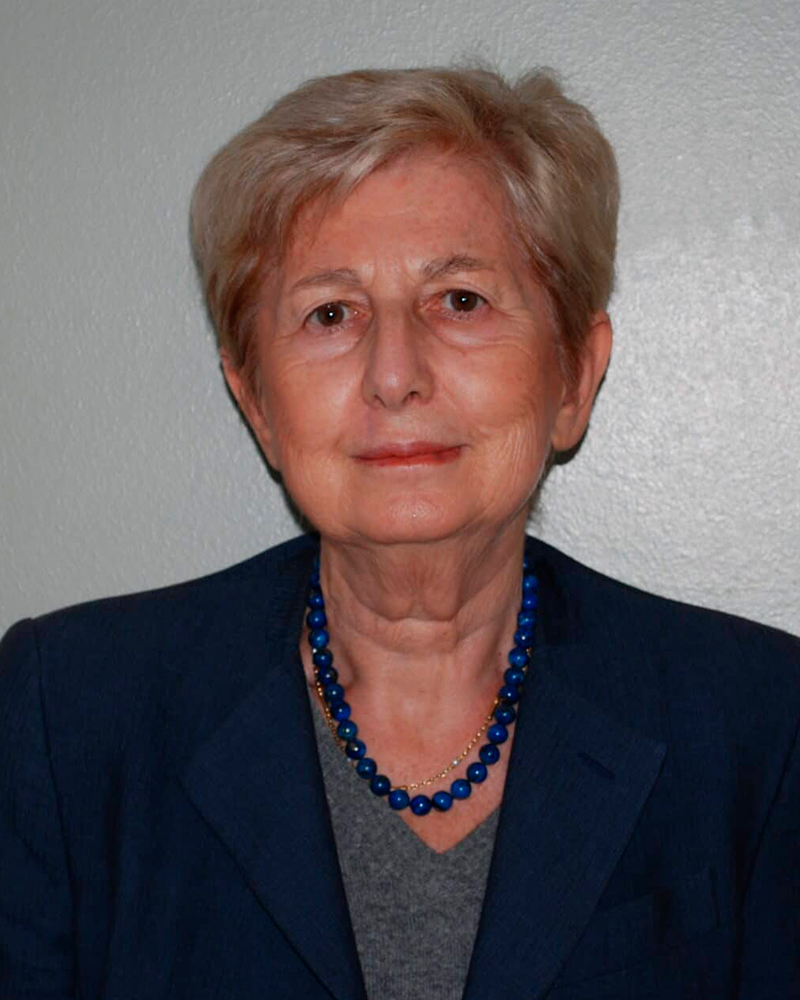
Counsellor
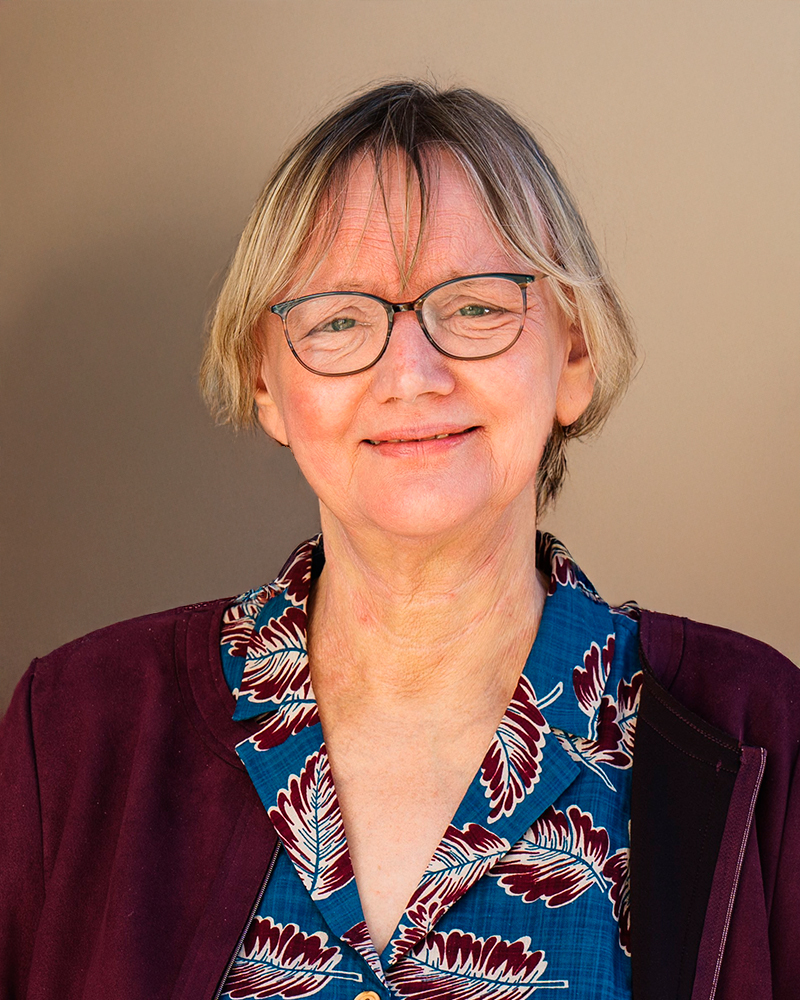
Board Member
Our Team
Meet the team that coordinates AEPJ’s programmes, partnerships, communications and day-to-day work across Europe.
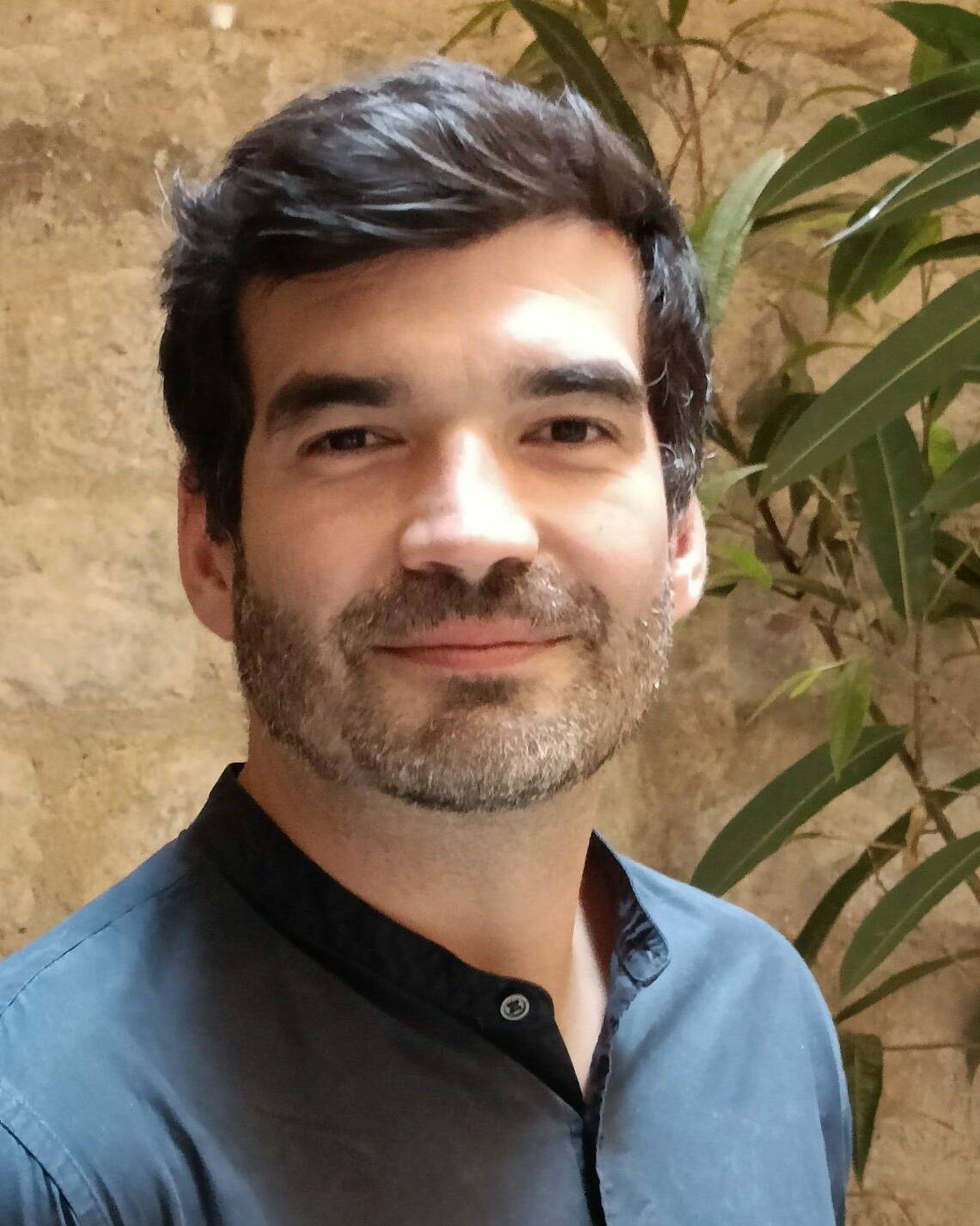
AEPJ Director
Victor Sorenssen has directed AEPJ since 2017. A cultural manager and political scientist based in Barcelona, he has led the association’s European development, partnerships and programmes. He previously directed the Jewish Community of Barcelona and co-founded Mozaika, a platform for Jewish culture that has developed projects including the Sefer Jewish Book Festival and the Salam-Shalom initiative.

European Days of Jewish Culture Project Manager
Alina Marincean joined AEPJ in 2025, bringing more than eighteen years of experience in museum curation, education and Jewish studies. Born in Sighet, Romania, she works at the intersection of memory, living Jewish heritage and public engagement, coordinating the European Days of Jewish Culture across the network.

European Routes of Jewish Heritage Project Manager
Marc Francesch Camps has managed the European Routes of Jewish Heritage since 2022. Based in Girona, he is a cultural consultant specialising in cultural systems, heritage and museums, and teaches in the Master’s programme in Cultural Management at the Open University of Catalonia.
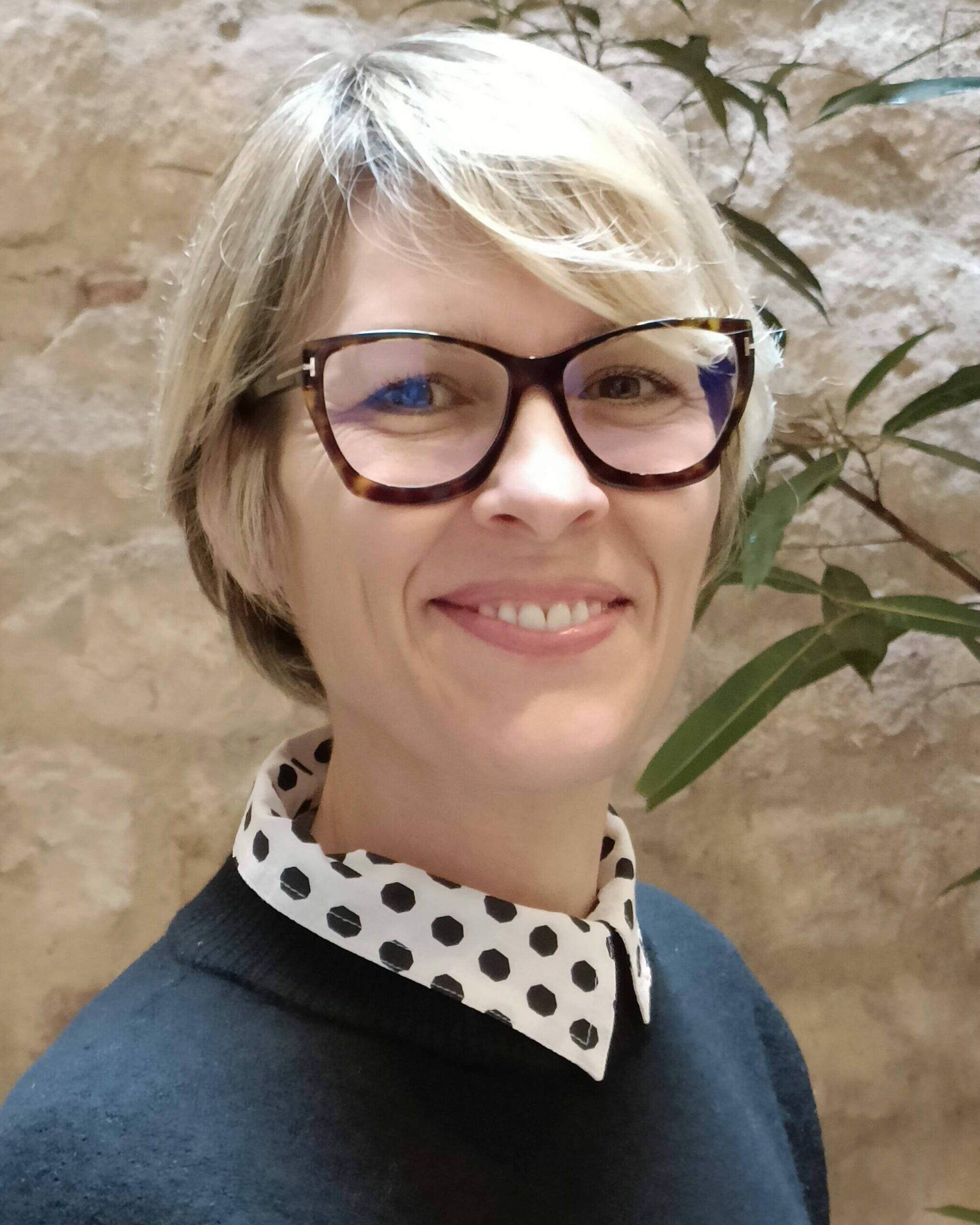
Cities Embracing Jewish Heritage Project Manager
Sonja Viličić is a Serbian cultural manager and educator with extensive experience in Jewish community development and informal education. Before joining AEPJ, she spent nearly a decade in Budapest working with the American Jewish Joint Distribution Committee on regional educational and youth programmes.

Communications Officer
Paul Sánchez Keighley is a communications professional, cultural manager and translator with extensive experience in Jewish culture and heritage. He has managed cultural and European projects, directs Barcelona’s Sefer Jewish Book Festival, and works across journalism, literature and public communication.

Administrative Officer
Violeta Bronstein is a cultural manager experienced in developing capacity-building programs for museum and heritage professionals and fostering collaboration among people, institutions and projects. Born in Argentina, she joined the AEPJ in 2026, co-organizes the Yiddish Barcelona program and enjoys turning ideas into action.
Reports and Transparency
Explore our annual reports to follow the development of AEPJ’s programmes, partnerships and impact across Europe. The reports provide an overview of our activities, network and institutional development from 2017 onwards.