Lublin: A True Jewel on the Map of Jewish Heritage in Europe
The European cooperation framework is gaining ever greater momentum for AEPJ members, resulting in diverse spaces for the exchange of knowledge, best practices, resources and solutions to the shared challenges specific to the Jewish heritage sector.
Brama Grodzka NN Theatre, and the Erfurt Municipality — both members of the European Routes of Jewish Heritage — are part of the JEWELS Tour project (Jewish Heritage as Leverage for Sustainable Tourism). Within this framework, they collaborate with the city councils of Ferrara, and Coimbra, the Riga Investment and Tourism Agency, the Regional Development Agency of Lviv region and Breda University of Applied Sciences, jointly deploying innovative approaches to tourism development around local Jewish heritage.
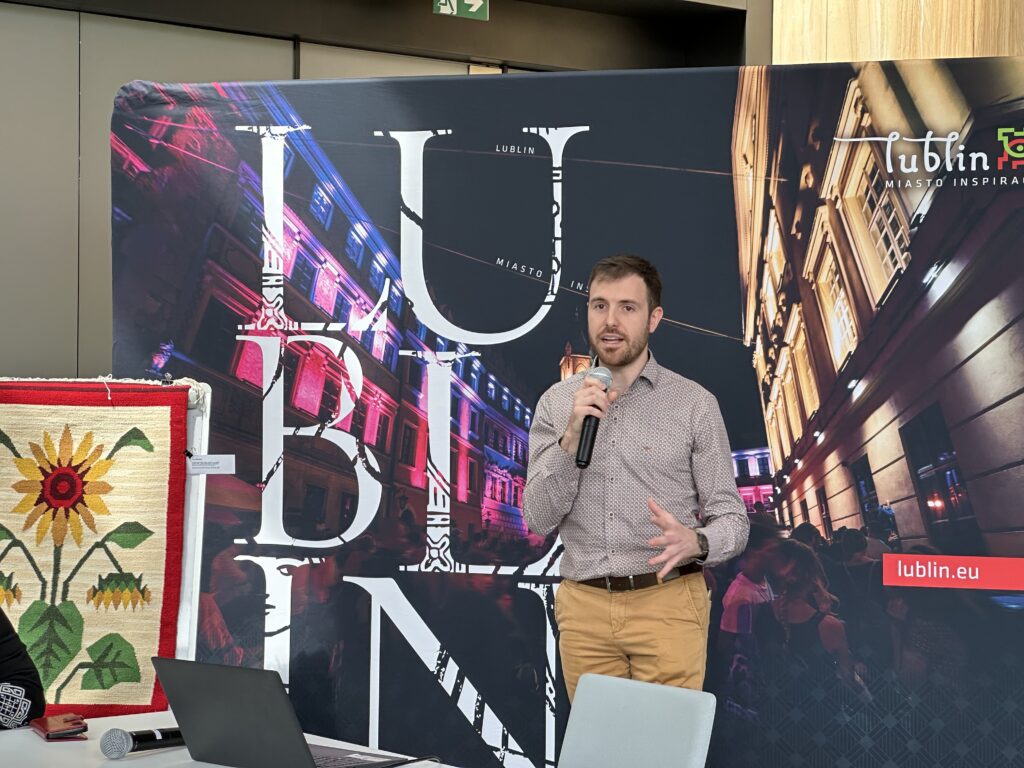
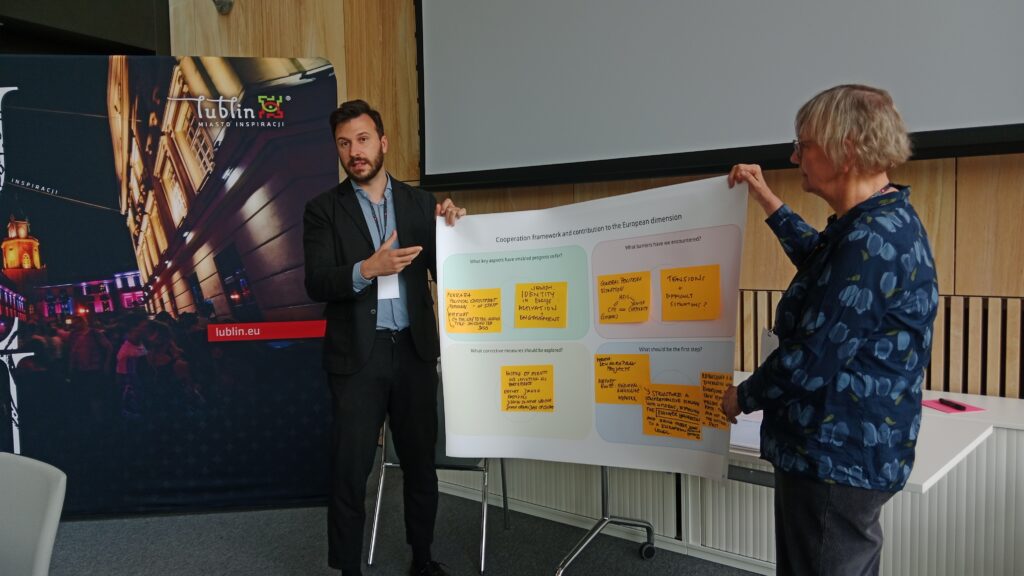
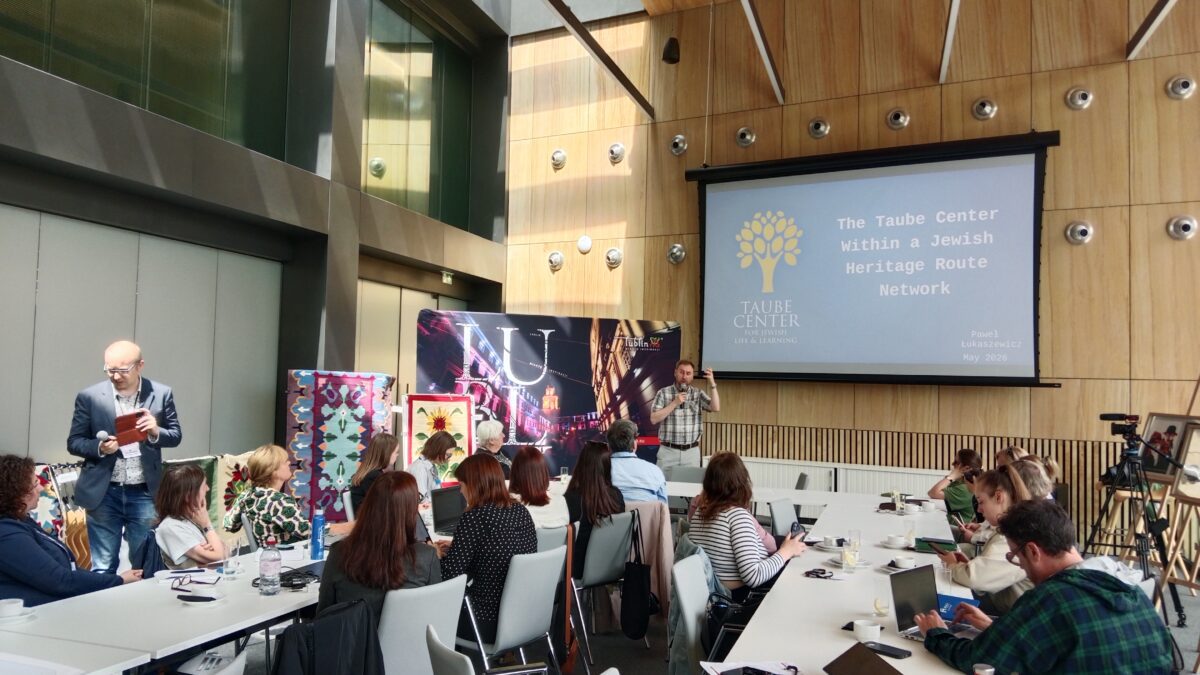
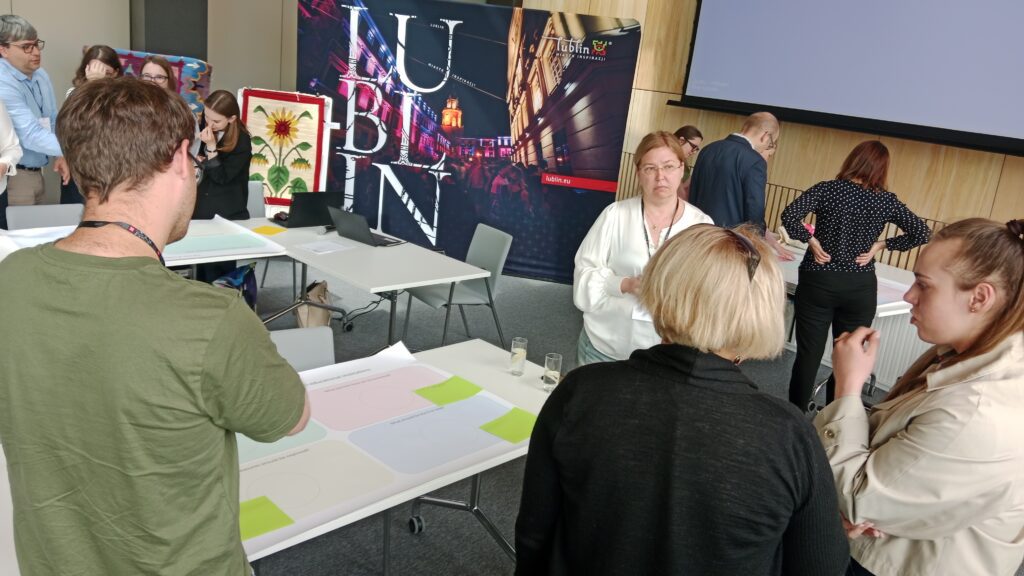
Particularly noteworthy was the workshop held during the event, in which participants were able to analyse the common ground between the different cities across areas that orbit around the concept of cultural route or directly affect heritage management — such as conservation, restoration and research; the role of contemporary artistic creation; the involvement of young people and alliances with educational stakeholders; the development of a European cooperation dimension; and the role of cultural tourism in sustainable development. Working in small groups, participants identified shared points of interest and common needs, contributing to the definition of potential future cooperation frameworks.
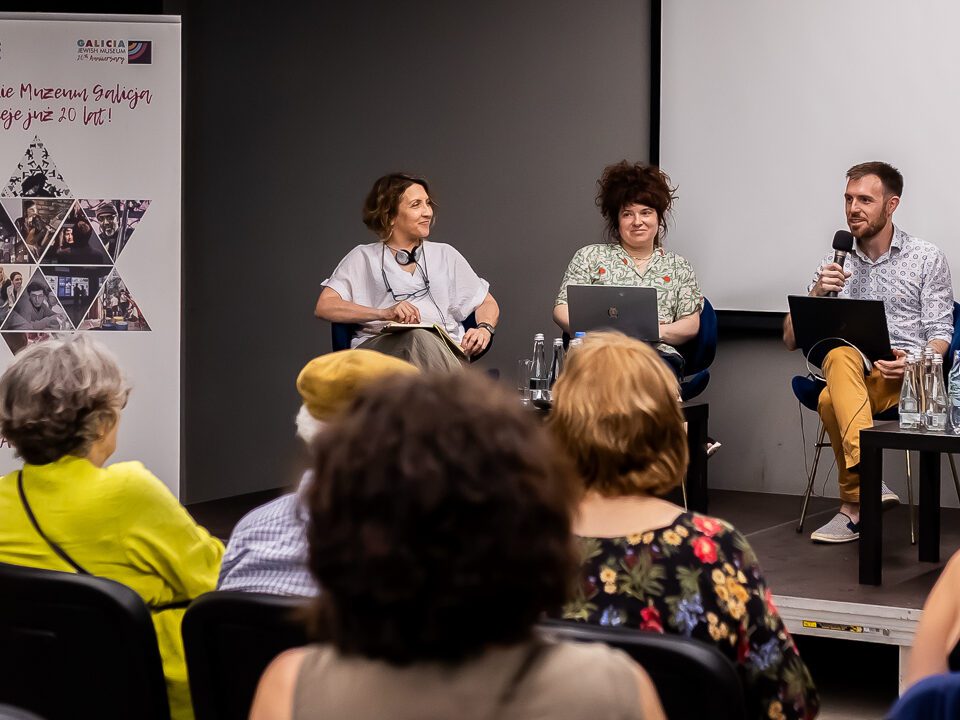
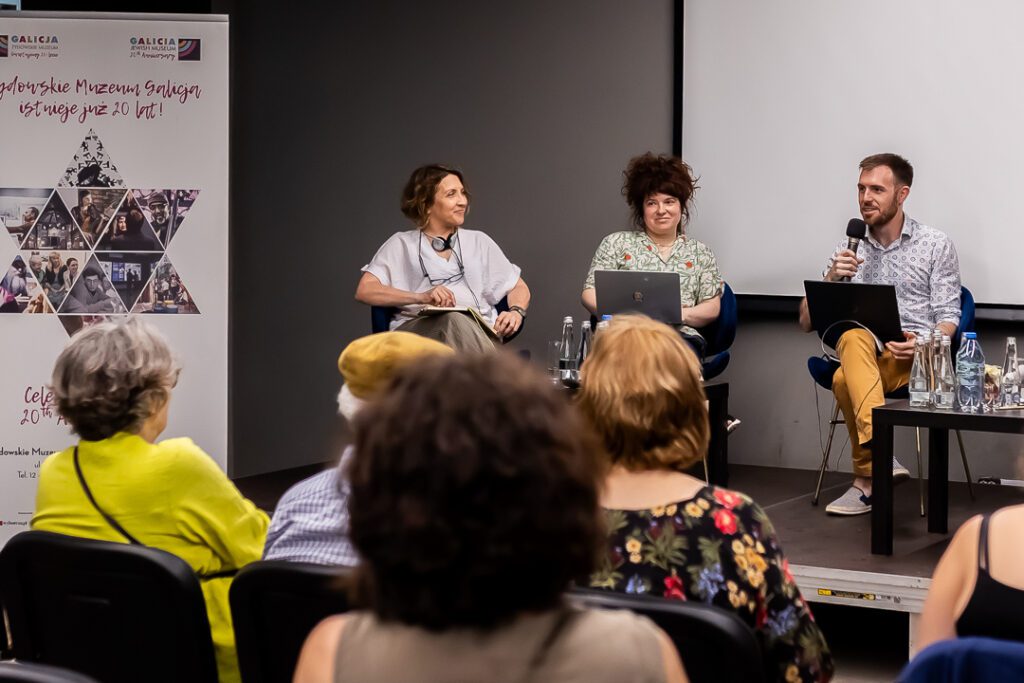
The event provided an opportunity to showcase the results of Lublin’s memory policies and Jewish heritage recovery efforts, illustrated through musical and theatrical pieces that exemplify the power of the arts as a vehicle for memory valorisation — as in the case of Tales of the Night; methodologies for the musealisation of oral memory, generating interpretive supports for understanding the contemporary history of Jewish communities before and after the Shoah; the memorialisation of memory spaces, combining sculptural elements to convey messages intended to endure through time; and demonstrations of how interpretive resources and mediation professionals can bring to life the richness of Jewish life, developing history-based narratives grounded in the human factor and capable of connecting with citizens — offering a profound, strikingly realistic sense of a way of life that was so violently cut short.
The AEPJ extends its sincere gratitude to the city of Lublin and, in particular, to Brama Grodzka NN Theatre for their outstanding commitment to preserving and transmitting Jewish memory. The work carried out in Lublin stands as an inspiring example for all members of the network, and we feel privileged to count on such a dedicated partner.