AEPJ General Assembly Concludes in Vienna with Strategic Reflection and New Perspectives for Jewish Heritage in Europe
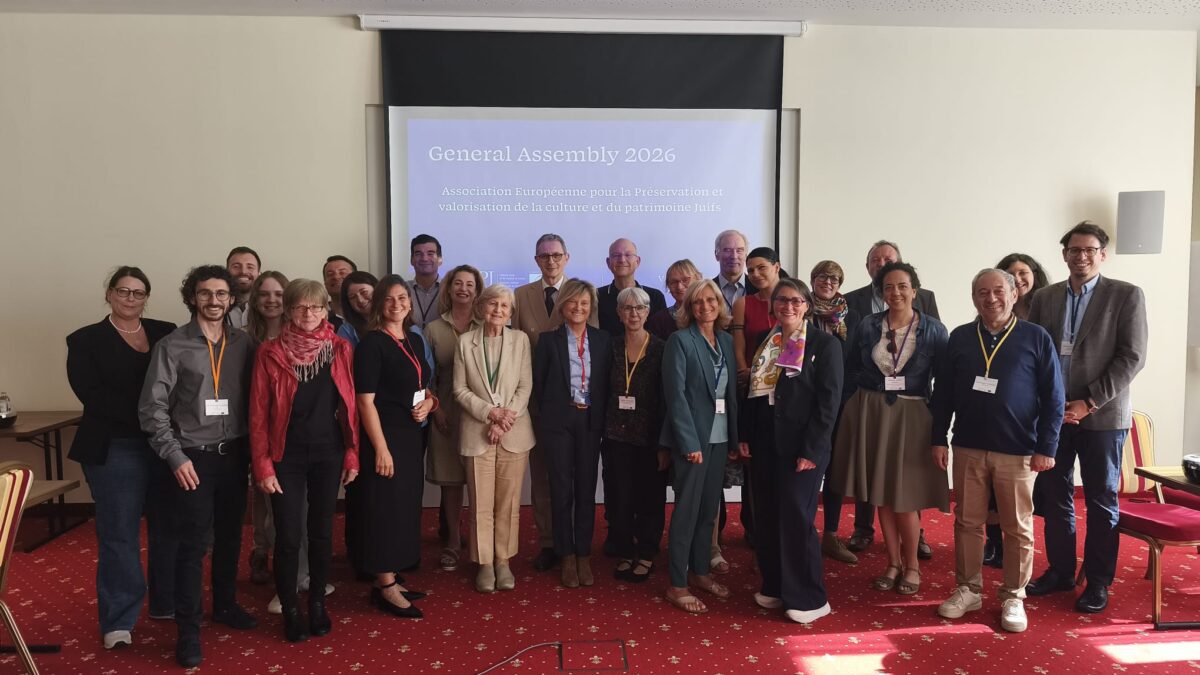
Vienna, Austria – 8 June 2026
The Association of European Jewish Heritage (AEPJ) concluded its 2026 General Assembly in Vienna today, bringing together members, partners and stakeholders from across Europe for three days of strategic discussions, institutional meetings and encounters centred on the future of Jewish heritage in Europe.
Hosted in cooperation with AEPJ associate Burgenländische Forschungsgesellschaft (BFG), the gathering took place in Vienna’s historic second district, once home to one of the city’s most vibrant Jewish communities. Participants met at Hotel Stefanie, located in the former Jewish quarter, providing a fitting backdrop for conversations about heritage, memory and the future of Jewish life in Europe.
Opening the General Assembly, AEPJ President François Moyse expressed solidarity with Ukraine and welcomed new members from the Lviv Tourism Office, underlining the organisation’s continued commitment to supporting Jewish heritage initiatives across the continent, particularly in challenging times.
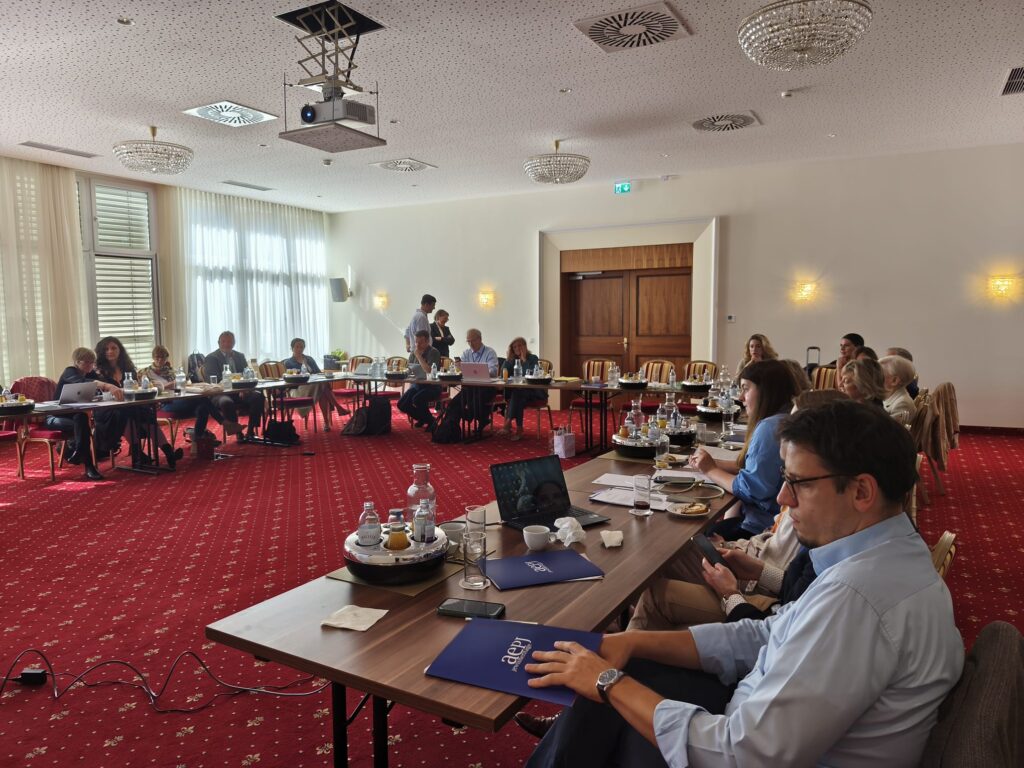
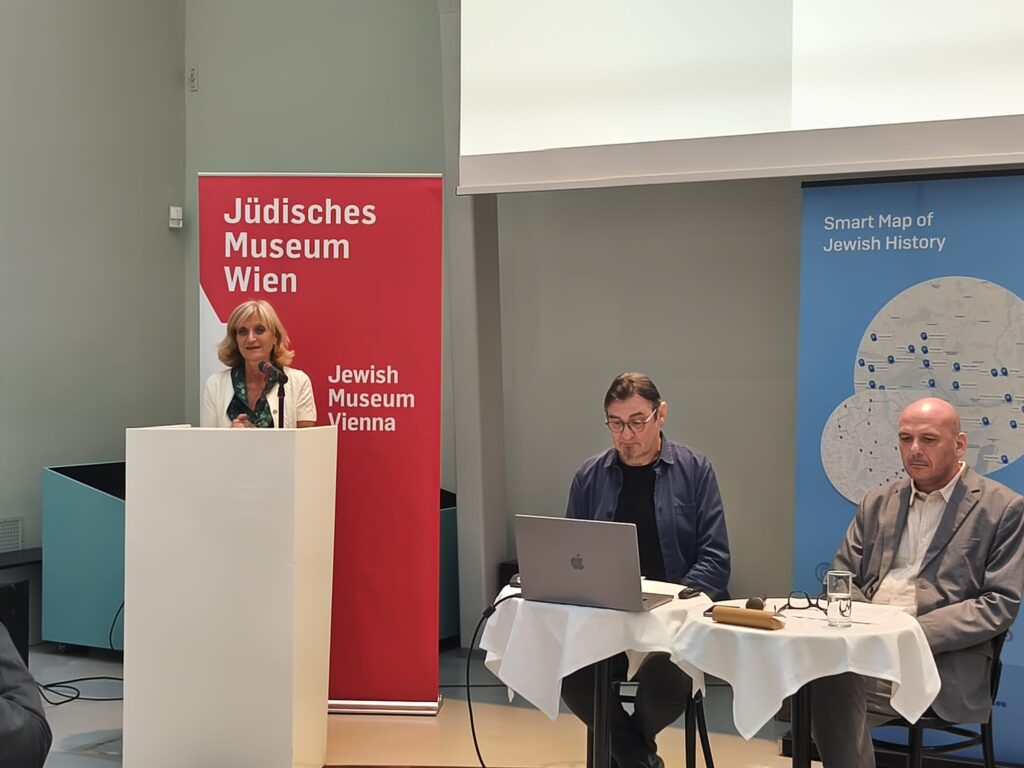
Representatives of the host organisation also welcomed participants. Alfred Lang highlighted the historical significance of the neighbourhood hosting the Assembly, while Michael Schreiber, Managing Director of the Burgenländische Forschungsgesellschaft, introduced the work of the organisation and its innovative Smart Map of Jewish History project, an Interreg-funded cross-border initiative involving partners from Austria and Slovakia. Running until 2028, the project is creating an innovative digital platform that combines interactive mapping, audiovisual content and virtual reconstructions to make Jewish history accessible to wider audiences.
The Assembly began with two strategic workshops dedicated to the AEPJ’s flagship initiatives: the European Days of Jewish Culture (EDJC) and the European Routes of Jewish Heritage (ERJH).
During the EDJC strategic session, EDJC Manager Alina Marincean presented a situation audit prepared in collaboration with the EDJC Committee, examining the current strengths and challenges of the programme. While recognising the European Days of Jewish Culture as a well-established and widely respected initiative built on a strong network of national coordinators and local organisers, the assessment identified opportunities to strengthen its long-term strategic vision, visibility, audience development, impact measurement and cross-border cooperation. Discussions focused on how to further consolidate EDJC as a unified European cultural platform while preserving the local ownership and diversity that have been central to its success. Participants were also invited to reflect on the programme’s greatest strengths and on ways to better support coordinators, foster collaboration and communicate the collective European story of the initiative.
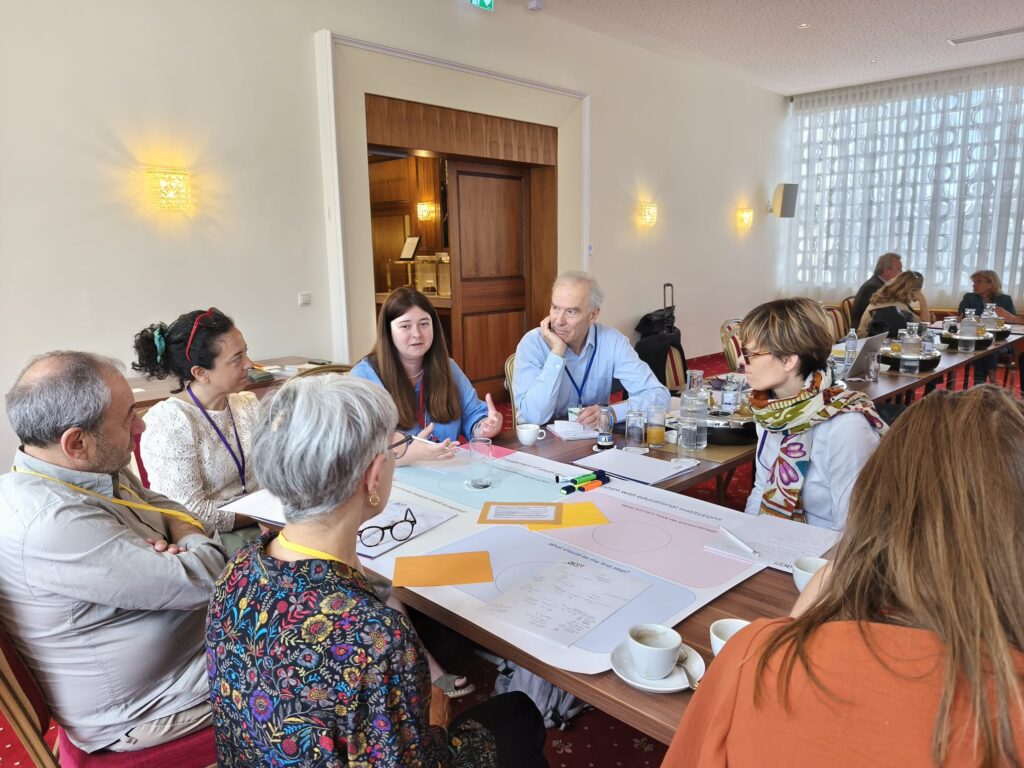
The strategic session dedicated to the European Routes of Jewish Heritage was led by ERJH Coordinator Marc Francesch. Through a series of thematic working groups, participants explored key challenges and opportunities for the future development of Jewish heritage in Europe, including heritage management and research, youth engagement and education, the role of contemporary arts, sustainable cultural tourism, and strengthening the European dimension of the network. Discussions highlighted the need to build stronger connections between heritage sites and academic expertise, engage new generations through educational partnerships and volunteer programmes, develop contemporary and inclusive narratives around Jewish heritage, and reinforce cooperation between the European Routes of Jewish Heritage and the European Days of Jewish Culture. Participants also emphasised the importance of moving beyond narratives centred exclusively on persecution and loss, showcasing instead Jewish heritage as a living, dynamic and creative component of contemporary European culture.
The formal General Assembly provided an opportunity to review the organisation’s achievements and priorities. Presenting the annual report, AEPJ Director Victor Sorenssen reflected on the evolution of the organisation in recent years, noting recent achievements such as the administration of the Simone Veil Prize.
“AEPJ is no longer simply managing programmes,” he noted. “It is creating ecosystems of initiatives, partners and institutions.”
He highlighted the growing recognition of Jewish heritage as a strategic field at the European level and emphasised AEPJ’s increasingly important role in shaping this conversation.
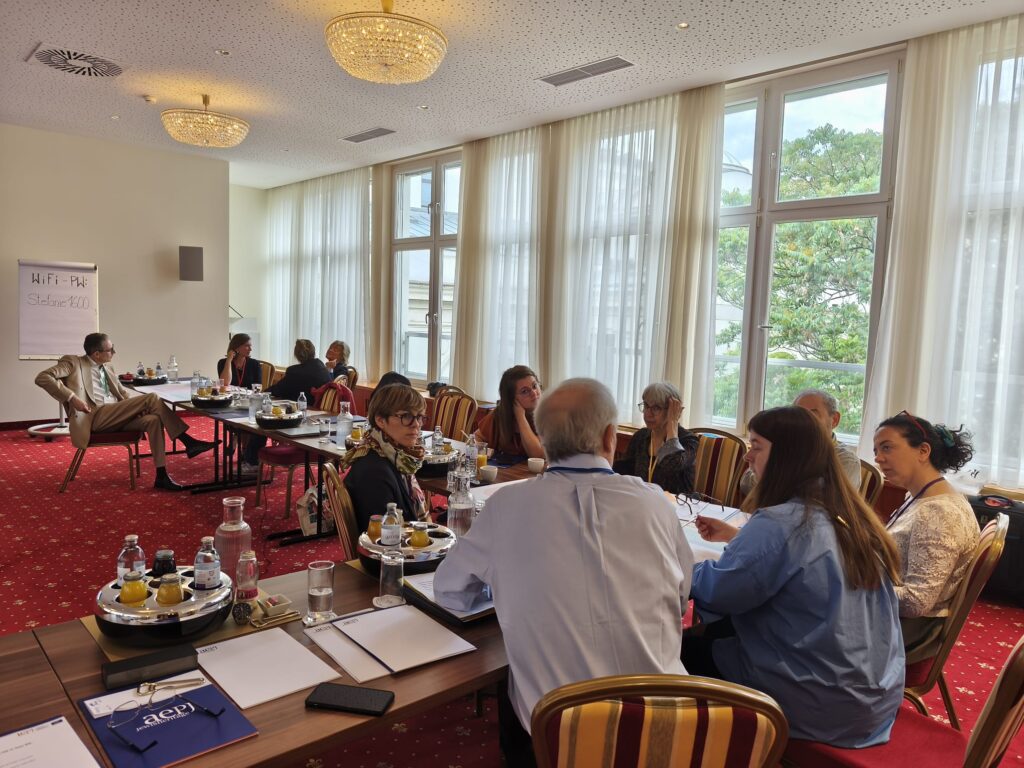
François Moyse echoed these reflections, stressing the relevance of AEPJ’s work in a context marked by rising antisemitism and growing challenges for Jewish communities across Europe. Members were also informed that AEPJ will now count with a permanent representative in Brussels, strengthening the organisation’s capacity to follow European policy developments and engage more directly with decision-making processes affecting heritage, culture and Jewish life.
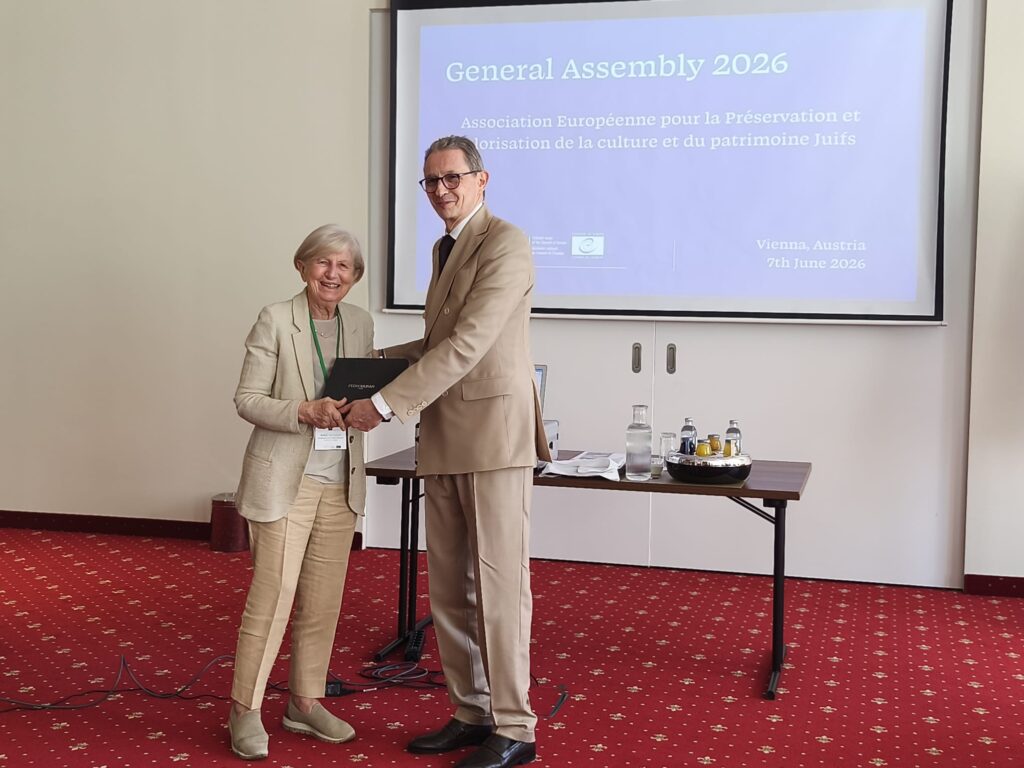
The General Assembly also included a moment of recognition and gratitude for individuals whose dedication has helped shape the organisation over many years. On behalf of the AEPJ, François Moyse presented commemorative medals honouring the legacy of Annie Sacerdoti, one of the founding members of the organisation, as well as Assumpció Hosta, another founding member whose longstanding commitment has been instrumental in the development of AEPJ. A special recognition was also awarded to Dita Kiriaty, representing the Kiriaty Foundation, in appreciation of the Foundation’s generous support of AEPJ’s mission and activities. While Assumpció Hosta and Dita Kiriaty were unable to attend the Assembly in person, they joined the proceedings online and received the warm appreciation of the participants. Their recognitions will be formally delivered in the coming weeks.
Beyond the formal proceedings, participants enjoyed a rich cultural programme. On Sunday evening, the group gathered at the Jewish Museum Vienna for a special reception and more in-depth presentation of the Smart Map of Jewish History, accompanied by live musical performances.
The General Assembly concluded on Monday with a guided walk through Vienna’s Jewish heritage sites and a visit to the Jewish Museum Vienna, allowing participants to engage directly with the city’s remarkable Jewish history before departing.
As the Assembly came to a close, participants left Vienna with renewed energy, strengthened partnerships and a shared commitment to advancing the preservation, promotion and transmission of Jewish culture and heritage across Europe.