AEPJ Highlights Jewish Heritage as a Tool Against Antisemitism at EU–Israel High-Level Seminar

Brussels, 8 June 2026 – The Association of European Jewish Heritage (AEPJ) took part in the 16th EU–Israel High-Level Seminar on Combating Antisemitism and Fostering Jewish Life, organised by the European Commission in Brussels. The annual forum brought together European and Israeli officials, policymakers, researchers, civil society representatives and Jewish organisations to address the challenges facing Jewish communities across Europe and explore strategies to combat antisemitism while strengthening Jewish life.
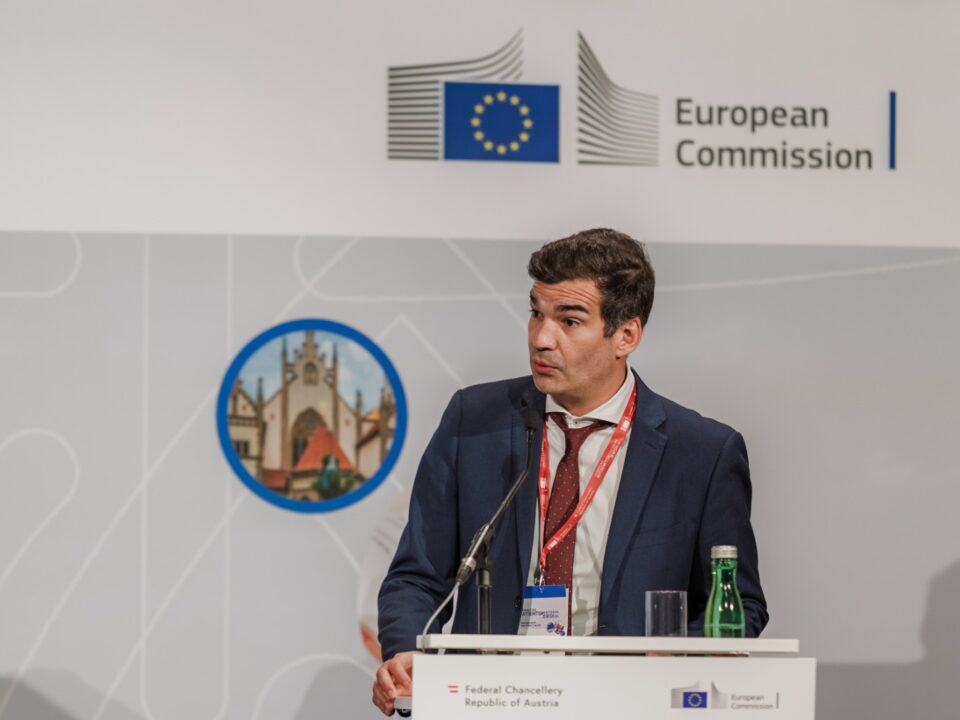
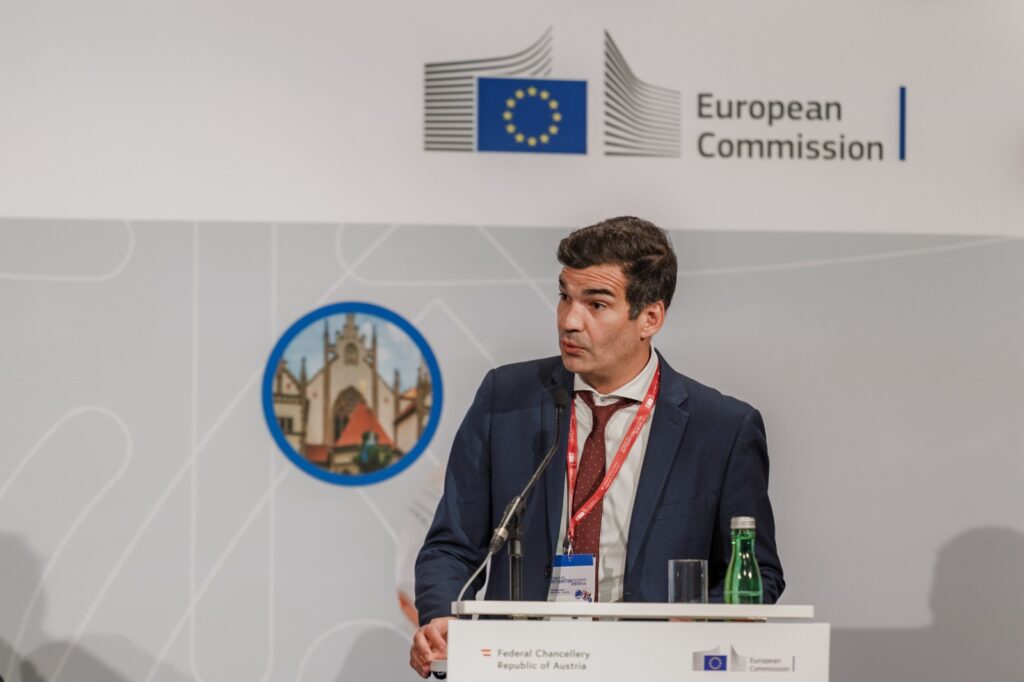
AEPJ President François Moyse was invited to speak during the seminar’s second session, dedicated to Antisemitism, Holocaust Remembrance and Jewish Life in Education and Research. The panel brought together representatives from the European Commission, UNESCO, Yad Vashem, the European Union of Jewish Students and other leading institutions working in the fields of education, remembrance and Jewish life.
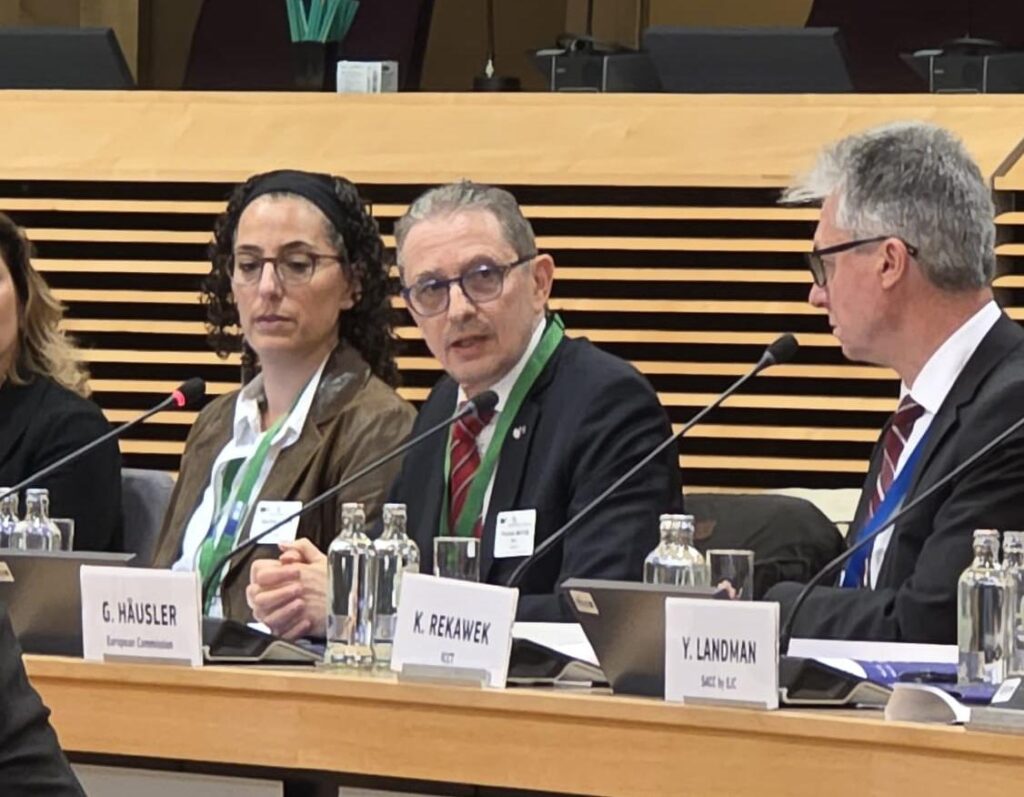
In his intervention, François Moyse presented the work of the AEPJ and its extensive network across Europe, highlighting how Jewish heritage and culture can serve as powerful tools to counter prejudice, foster intercultural dialogue and strengthen a shared sense of European belonging. He outlined several of the organisation’s flagship initiatives, including the European Routes of Jewish Heritage, the European Days of Jewish Culture, educational and professional development programmes, and the growing network of cities and institutions committed to preserving and promoting Jewish heritage.
Within the European Days of Jewish Culture, François Moyse also highlighted the Cities Embracing Jewish Heritage initiative as a breakthrough example of how local authorities can play an active role in combating antisemitism and strengthening social cohesion. Inspired by the vision of Mrs Judith Kiriaty Matalon and developed by the AEPJ in partnership with municipalities across Europe, the project encourages cities to integrate Jewish heritage into their cultural, educational and urban development strategies. By fostering cooperation between local governments, Jewish communities, heritage professionals and civil society, the initiative demonstrates how Jewish heritage can become a powerful tool for promoting inclusion, mutual understanding and democratic values at the municipal level. Moyse described the project as an effective and practical response to prejudice, helping to anchor Jewish history and culture within the shared narrative of European cities.
Particular attention was given to the Simone Veil Prize for European Jewish Cultural Heritage, a major new European initiative coordinated by the AEPJ and co-funded through the Creative Europe Programme. The Prize aims to recognise and support outstanding projects that use Jewish cultural heritage to promote dialogue, inclusion, democratic values and social cohesion across Europe. François Moyse underscored the importance of cultural heritage not only as a means of preserving the past, but also as a living resource for addressing contemporary challenges and building more inclusive societies.
The seminar’s agenda reflected the growing urgency of these issues. Discussions throughout the day focused on the main threats facing Jewish communities, the role of education and research in combating antisemitism, and the opportunities and challenges posed by artificial intelligence in addressing online hate and discrimination. Participants included senior representatives of the European Commission, the Government of Israel, the Council of the European Union, UNESCO, the World Jewish Congress, B’nai B’rith International, and leading academic institutions.

Also attending the seminar was Uri Bar Ner, representing the Kiriaty Foundation International, a longstanding supporter of the AEPJ and its mission. Reflecting on the discussions and exchanges throughout the day, he remarked: “What’s amazing for me is to experience the amount of sympathy expressed to us and to our struggle in this respectable forum.”
The participation of the AEPJ in this high-level gathering underscores the growing recognition of Jewish heritage as an essential component of Europe’s cultural landscape and as a valuable instrument in the fight against antisemitism. Through its projects and partnerships, the organisation continues to demonstrate how preserving and promoting Jewish heritage can contribute to dialogue, mutual understanding and a stronger, more inclusive European identity.