Plovdiv, Bulgaria – 11–12 June 2026
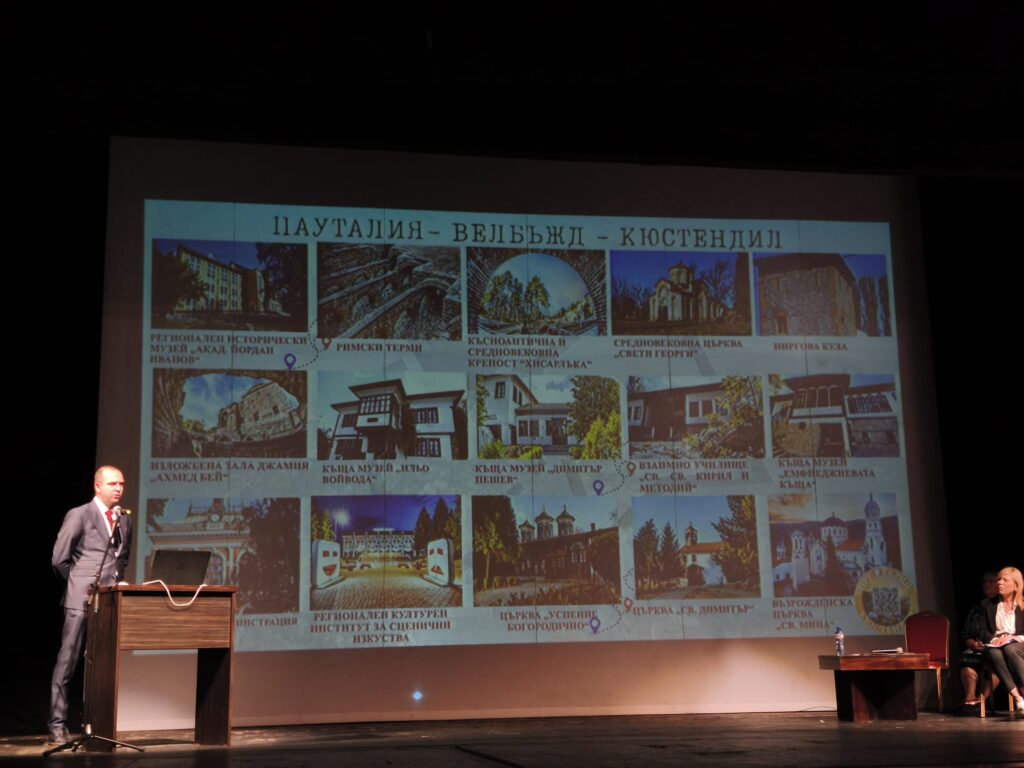
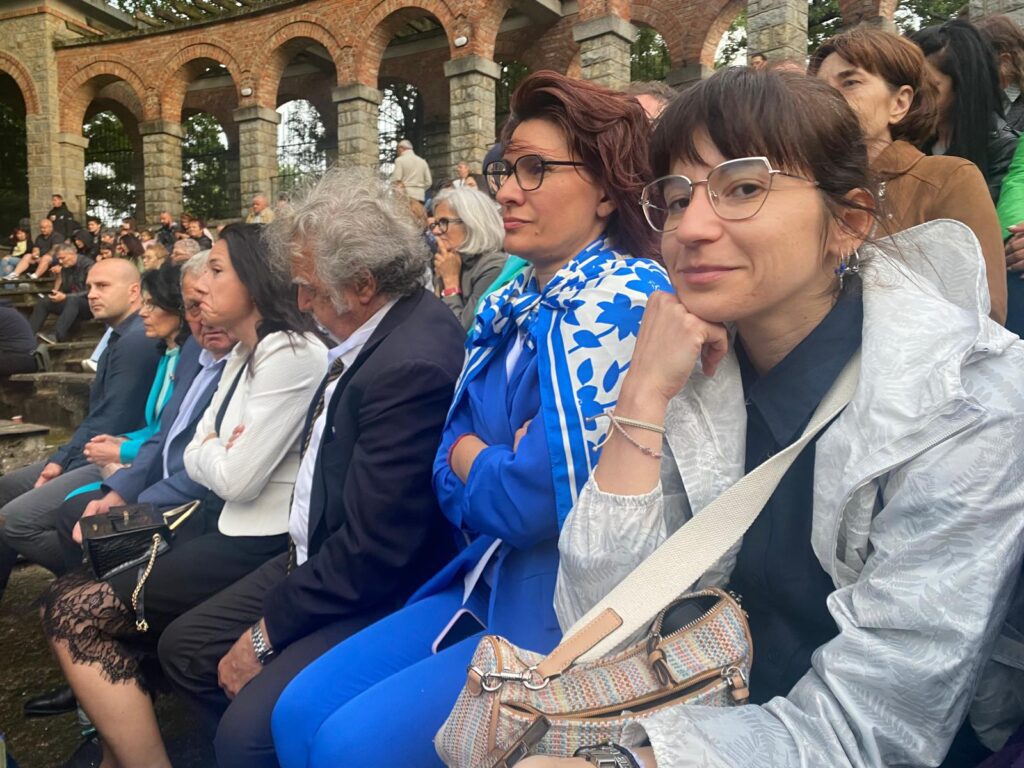
The AEPJ, representing the European Route of Jewish Heritage (ERJH), participated in the international forum Cultural Routes – Bulgaria 2026, held in Plovdiv on 11–12 June. The event brought together representatives of certified Cultural Routes of the Council of Europe, national and local authorities, museums, cultural institutions, academics, tourism professionals and heritage organisations to explore the role of cultural routes in promoting sustainable development, cultural diplomacy and regional cooperation.
Organised with the support of key Bulgarian institutions, including the Ministry of Tourism, the Ministry of Culture, the Bulgarian Academy of Sciences and the National Association of Municipalities, the forum offered an important platform for presenting successful Cultural Route initiatives and discussing future opportunities for Bulgaria’s participation in the Cultural Routes programme of the Council of Europe.
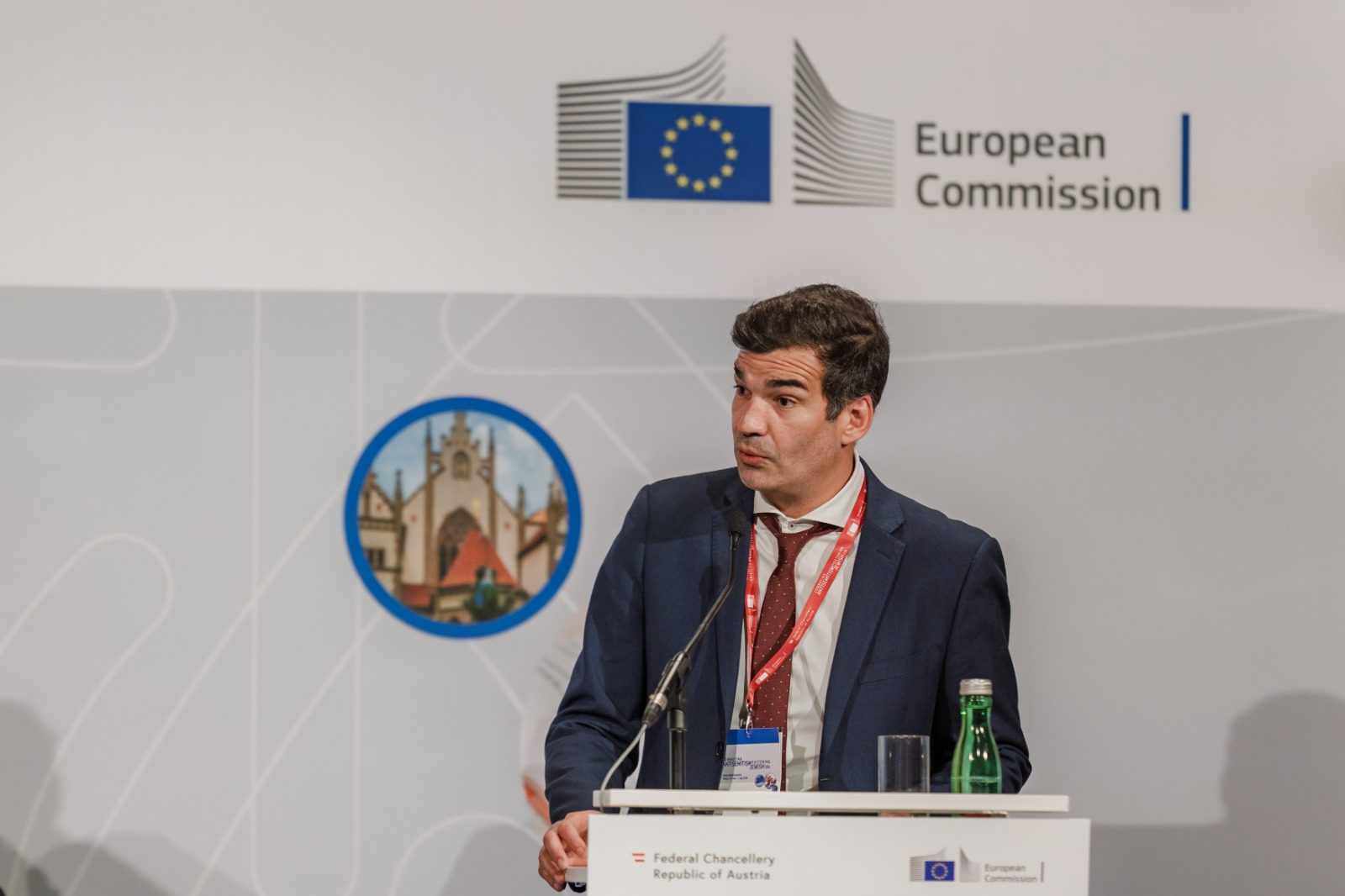
Representing the European Route of Jewish Heritage, AEPJ Communications Officer Paul Sánchez Keighley participated as a speaker in Panel Session IV, dedicated to urban environments, cultural spaces and industrial heritage. His presentation introduced the work of the European Route of Jewish Heritage and highlighted the role of Jewish heritage as a living component of Europe’s shared cultural landscape.
The forum featured presentations from numerous certified Cultural Routes of the Council of Europe, including the European Route of Historic Thermal Towns, the European Route of Women Writers, ITER VITIS – The Route of the Vine and Wine, the Roman Emperors and Danube Wine Route, the Route of St Francis, the European Fairy Tale Route and others. Through panel discussions and networking sessions, participants exchanged experiences on heritage management, cultural tourism, community engagement and international cooperation.
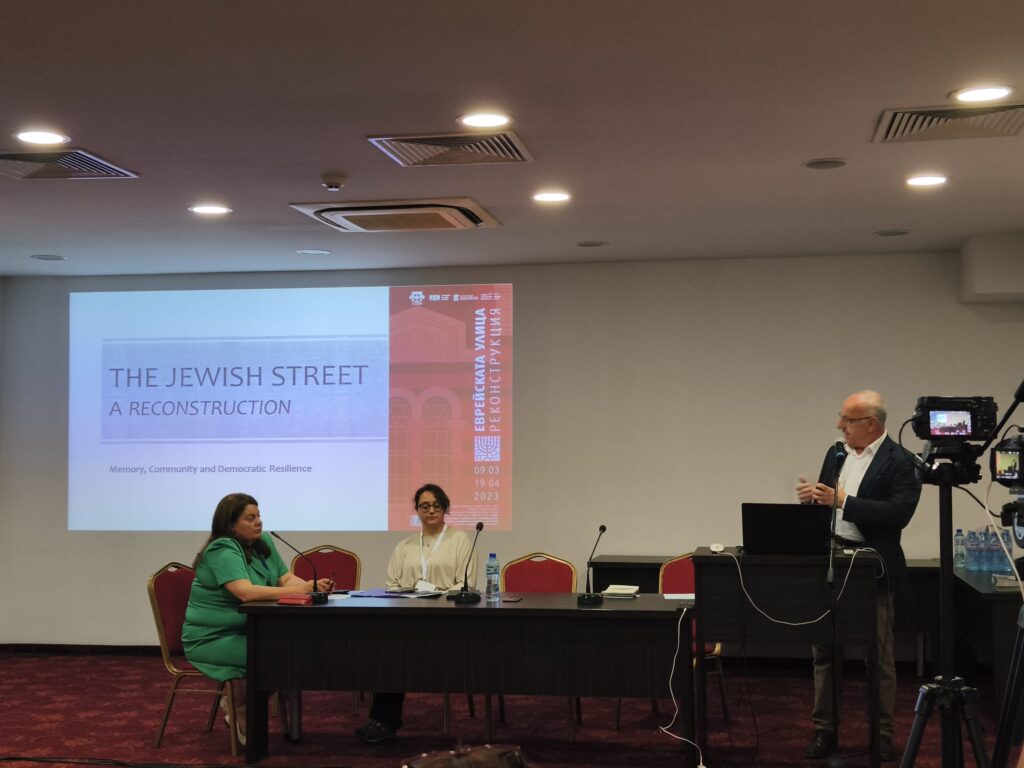
A particular highlight of the event was the strong interest expressed by Bulgarian stakeholders in the possibility of developing a dedicated Jewish cultural route within the country and strengthening connections with the wider European Route of Jewish Heritage network. Discussions with representatives of municipalities, museums, cultural organisations and heritage professionals revealed a growing awareness of the richness and diversity of Bulgaria’s Jewish heritage and its potential contribution to cultural tourism, education and intercultural dialogue.
Bulgaria occupies a unique place in European Jewish history. It is renowned for the rescue of the vast majority of its Jewish population during the Holocaust and is home to an exceptionally rich Sephardic heritage. The country is associated with important historical and cultural figures, including Nobel Prize-winning writer Elias Canetti and celebrated author Angel Wagenstein. It is also the birthplace of Rabbi Joseph Karo, one of the most influential codifiers of Jewish law, and contains the tomb of Rabbi Eliezer Papo in Silistra, a revered Sephardic scholar whose resting place continues to attract visitors from around the world.
The AEPJ welcomes the growing interest shown by Bulgarian partners and sees significant potential for future cooperation. While the development of new heritage networks is a gradual process that depends on local engagement and long-term collaboration, the conversations held in Plovdiv demonstrated both enthusiasm and commitment among a wide range of stakeholders.
The European Route of Jewish Heritage looks forward to building on these connections and hopes that, in time, they will contribute to new initiatives that further showcase Bulgaria’s remarkable Jewish heritage within the broader European cultural landscape.