
Safeguarding Kazimierz: Experts Debate the Future of Krakow’s Jewish Heritage
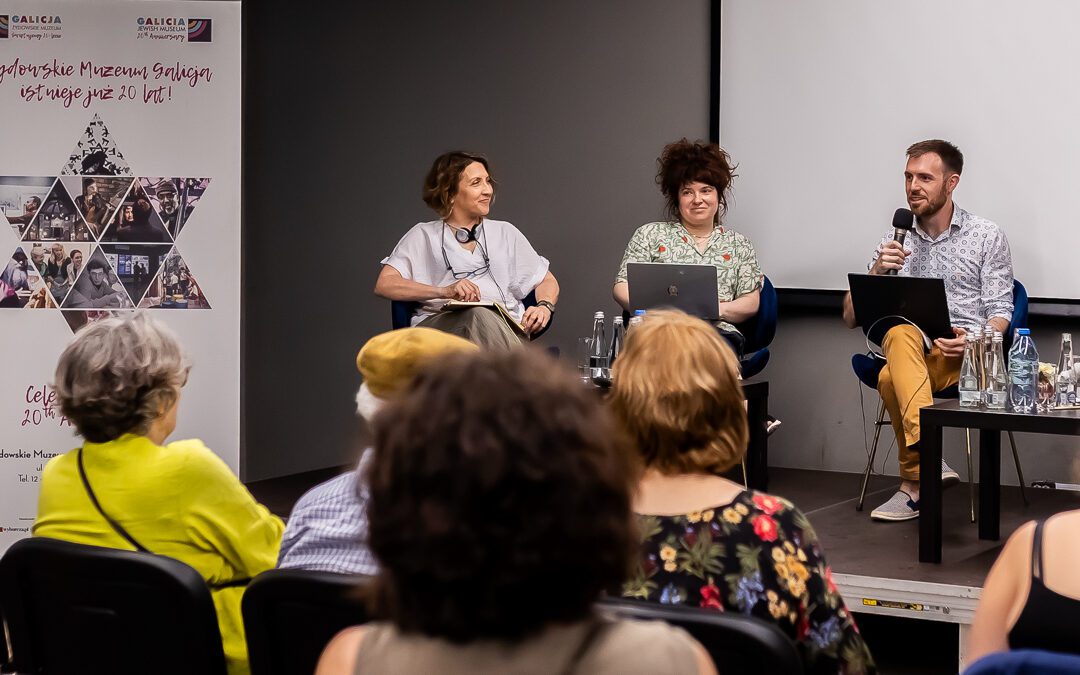
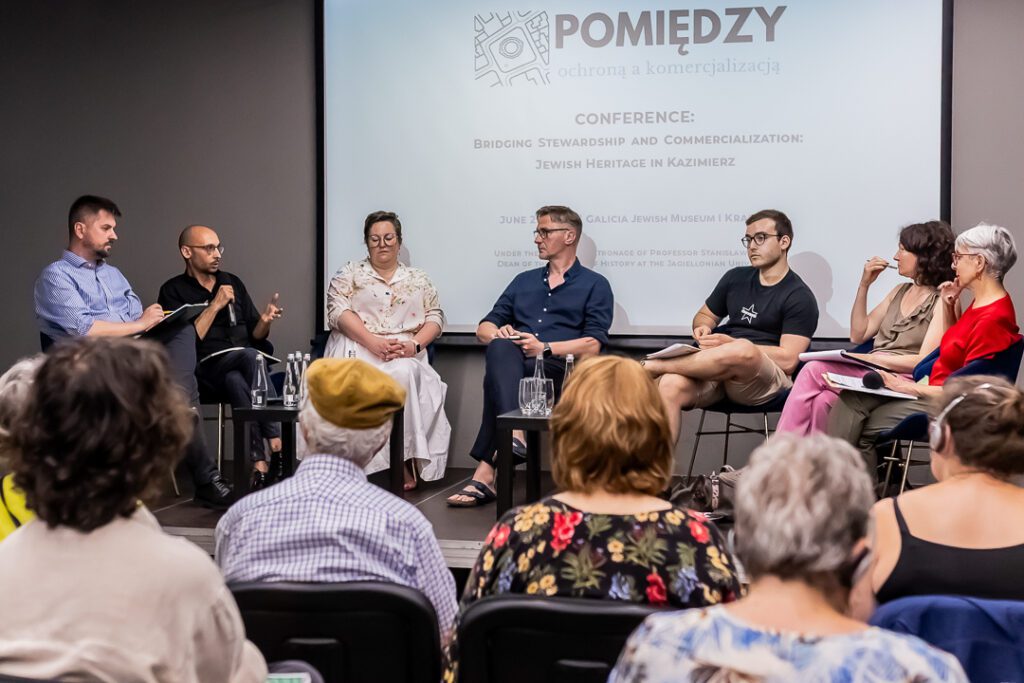
On June 29, the Taube Center for Jewish Life & Learning, the Galicja Jewish Museum, and the Institute of Jewish Studies at the Jagiellonian University organised the conference “Bridging Stewardship and Commercialization: Jewish Heritage in Kazimierz,” addressing future solutions for the Kazimierz district in Krakow. The event featured three discussion panels on the present and future management models that should govern this urban space — a UNESCO World Heritage site protected under Polish government regulations.
Founded in 1335 as an independent royal town, Kazimierz became Krakow’s Jewish quarter after Jews were expelled from the city centre in 1495, growing into a major centre of Jewish life in Central Europe around landmarks such as the Old Synagogue and the Remuh Synagogue. Absorbed into Krakow in 1800, it retained a thriving Jewish community until the Holocaust. Neglected for decades afterward, Kazimierz has undergone a marked revival since the late 1980s and 1990s and today, as part of Krakow’s UNESCO-listed historic centre, is a symbol of heritage revival as well as a hub of tourism and commercial growth.
Kazimierz is currently under considerable tourist pressure, transforming the type of services on offer and driving a shift from residential housing toward short-term rentals. These trends are contributing to the neighbourhood’s loss of character and its diminishing value for local residents. Addressing this will require a rigorous narrative capable of showcasing Kazimierz’s heritage and historical significance, a cultural life that adds further value to the district, and educational, tourism, and visitor-service providers that operate with respect for this heritage environment.
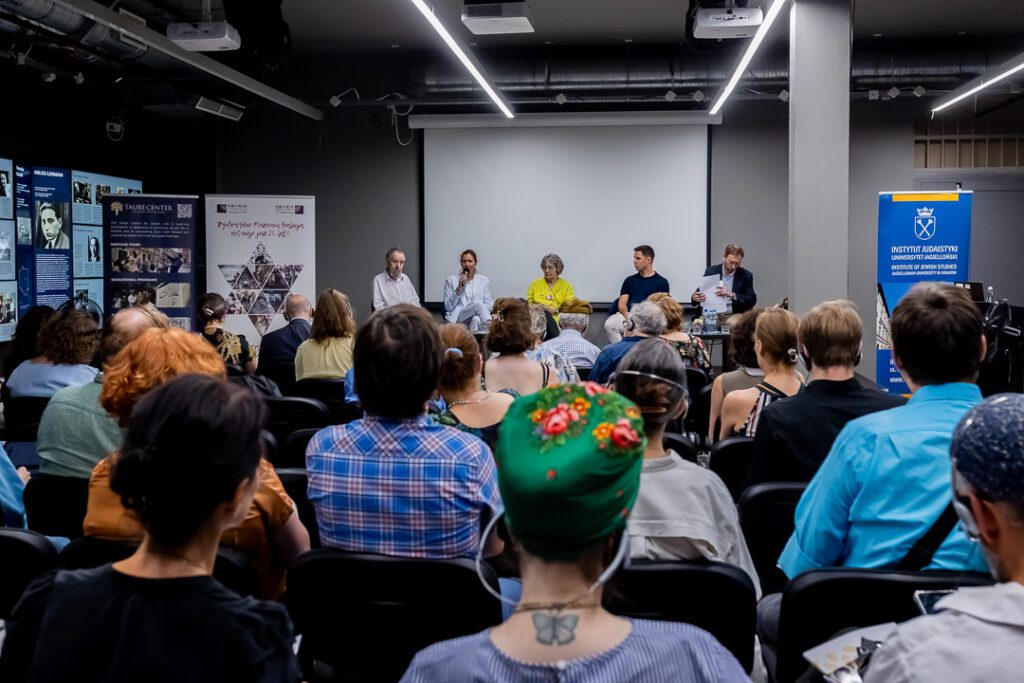
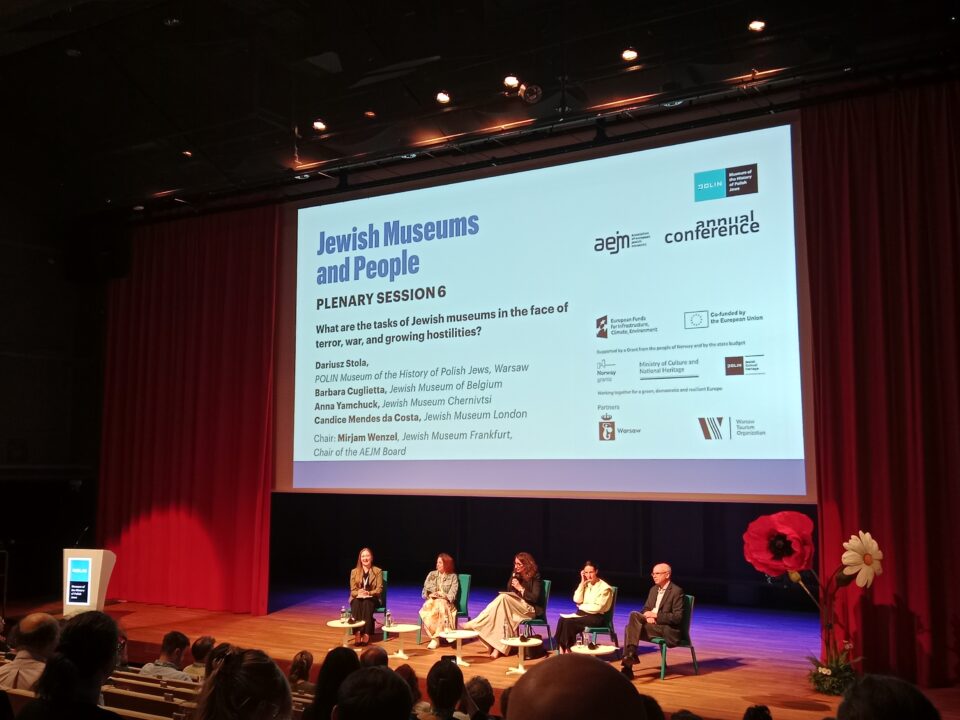
The panels brought together eighteen professionals from diverse backgrounds, approaching the subject from multiple perspectives and channelling the discussion around policies for protection and conservation, the development of narratives, educational initiatives and the role of tourism, and models of heritage management. Finally, a panel of experts from outside the Polish context — Milena Milošević Micić (The Homeland Museum of Knjaževac), Andrea Ausztrics (Budapest Jewish and Israeli Film Festival), Yoav Rossano (Consistoire Israélite du Bas-Rhin), and Marc Francesch-Camps, representing the AEPJ (European Association for the Preservation and Promotion of Jewish Culture and Heritage) — offered possible solutions and approaches drawn from case studies across Europe.
This gathering is intended to serve as a reference point for the development of coordinated policies in Kazimierz, capable of aligning the many stakeholders involved in a more sustainable way.
The event was supported by FestivALT, a Kraków-based collective known for its annual festival of contemporary Jewish art, performance, and activism.
Related posts
filter: 0; fileterIntensity: 0.0; filterMask: 0; captureOrientation: 0; brp_mask:0; brp_del_th:null; brp_del_sen:null; delta:null; module: photo;hw-remosaic: false;touch: (0.18888889, 0.39375);sceneMode: 8;cct_value: 0;AI_Scene: (-1, -1);aec_lux: 0.0;aec_lux_index: 0;albedo: ;confidence: ;motionLevel: -1;weatherinfo: null;temperature: 35;