
- All
- AEPJ News
- Andalusia
- Austria
- Azerbaijan
- Balti
- Belarus
- Bendery
- Braunschweig
- Celle
- Chisinau
- EDJC old editions
- EDJC22
- EDJC23
- EDJC24
- EDJC25
- France
- Georgia
- Germany
- Girona
- Hannover
- Hildesheim
- Italy
- Izmir
- Lithuania
- Medieval Route
- Moldova
- National Route
- Orhei
- Padua
- Palaces, Villas and Country Houses
- Poland
- Regional Route
- Rhineland
- Rybnitsa
- Soroca
- Spain
- Thematic Route
- Tiraspol
- Turkey
- Ukraina
- Uncategorized

The countdown is on! On 6 September in Warsaw, we will officially open the European Days of Jewish Culture 2026, launching another season of events, encounters and discoveries across Europe around this year’s theme: LOVE.
As programmes take shape across the continent, we are delighted to share a new resource created especially for EDJC 2026 by the National Library of Israel (NLI): a ready-to-use digital exhibition, accompanied by educational materials that can be incorporated into your local activities.
We warmly encourage you to explore, translate, adapt and use these resources as part of your EDJC programme.
A digital exhibition for EDJC 2026
Created around the theme of LOVE, the exhibition brings together items from each of the National Library of Israel’s five core collections — Judaica, Israel, Islam and the Middle East, Music and Humanities — alongside an original artwork commissioned especially for the project.

We are delighted to announce that the Inaugural Celebration of the European Days of Jewish Culture 2026 will take place on Sunday, 6 September 2026, in Warsaw, Poland.
The AEPJ is honoured to host this year’s opening ceremony together with the Taube Center for Jewish Life & Learning and the Jewish Community of Warsaw. The event will launch a new season of cultural activities taking place throughout September, as museums, synagogues, community organisations, municipalities and volunteers across Europe open their doors to visitors of every background.
The 2026 edition of the European Days of Jewish Culture is dedicated to the theme LOVE. Throughout this year’s programme, participants across Europe will explore the many ways in which love has shaped Jewish life and continues to inspire encounters between communities today.
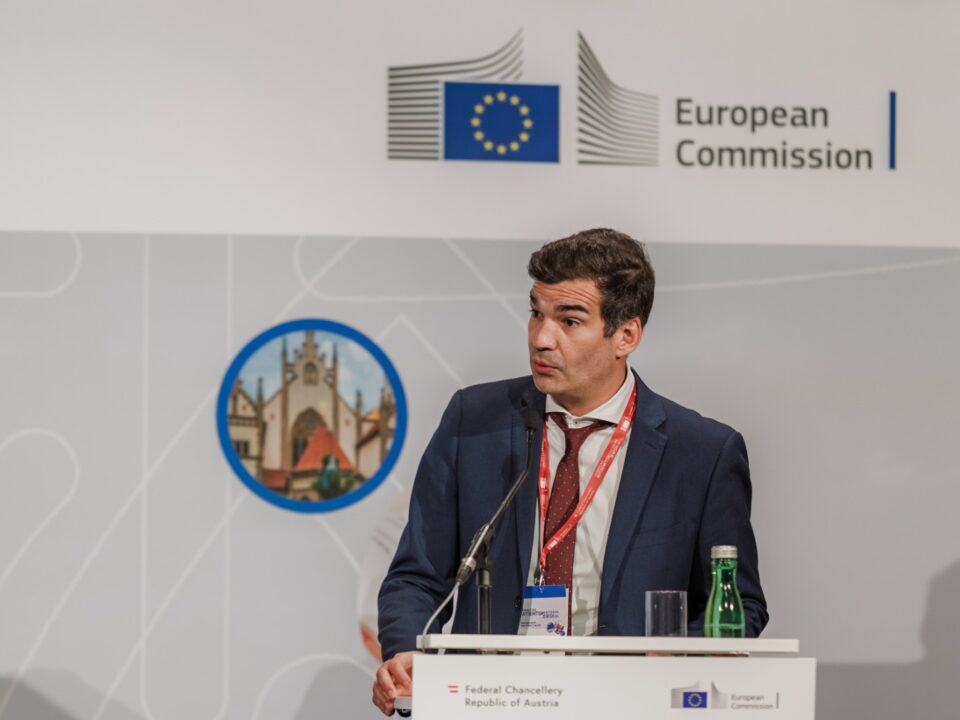
The European Association for the Preservation and Promotion of Jewish Culture and Heritage (AEPJ) was honoured to present two new European handbooks during the 9th Meeting of the European Commission Working Group on the implementation of the EU Strategy on combating antisemitism and fostering Jewish life, held in Vienna on 30 June – 1 July 2026.
The Working Group, coordinated by the European Commission, brings together National Coordinators on combating antisemitism and fostering Jewish life from EU Member States, representatives of European institutions, international organisations and leading Jewish organisations to exchange experiences and support the implementation of the EU Strategy across Europe.
Within this framework, AEPJ was invited to introduce two complementary publications commissioned by the European Commission over the past year: the Handbook on Jewish Heritage, presented by contributor Brigitte Sion, and the Handbook on Fostering Jewish Life in Europe, presented by Victor Sorenssen, Director of the AEPJ.
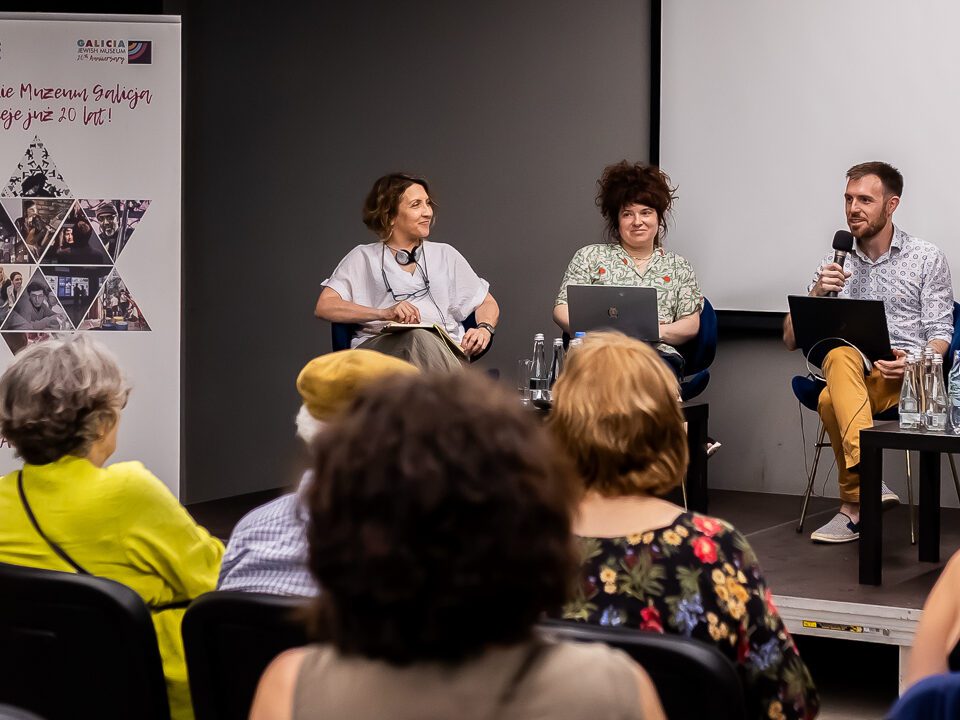
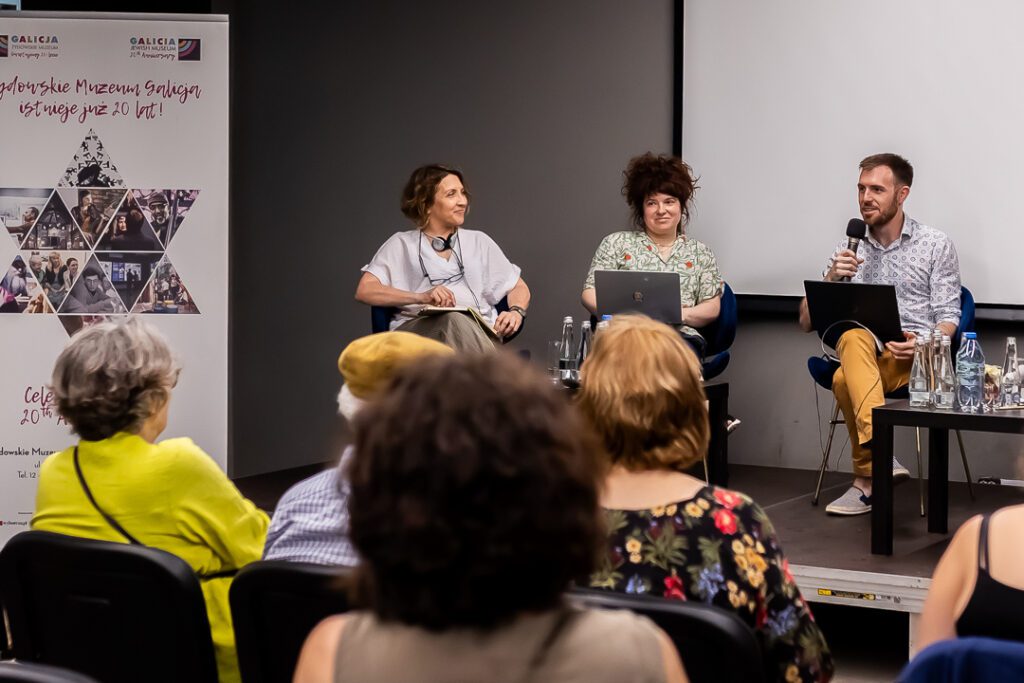
On June 29, the Taube Center for Jewish Life & Learning, the Galicja Jewish Museum, and the Institute of Jewish Studies at the Jagiellonian University organised the conference “Bridging Stewardship and Commercialization: Jewish Heritage in Kazimierz,” addressing future solutions for the Kazimierz district in Krakow. The event featured three discussion panels on the present and future management models that should govern this urban space — a UNESCO World Heritage site protected under Polish government regulations.
The opening keynote was delivered by Ruth Ellen Gruber, who runs the website Jewish Heritage Europe and whose long-standing work on European Jewish heritage helped frame the discussions that followed.
Founded in 1335 as an independent royal town, Kazimierz became Krakow’s Jewish quarter after Jews were expelled from the city centre in 1495, growing into a major centre of Jewish life in Central Europe around landmarks such as the Old Synagogue and the Remuh Synagogue.
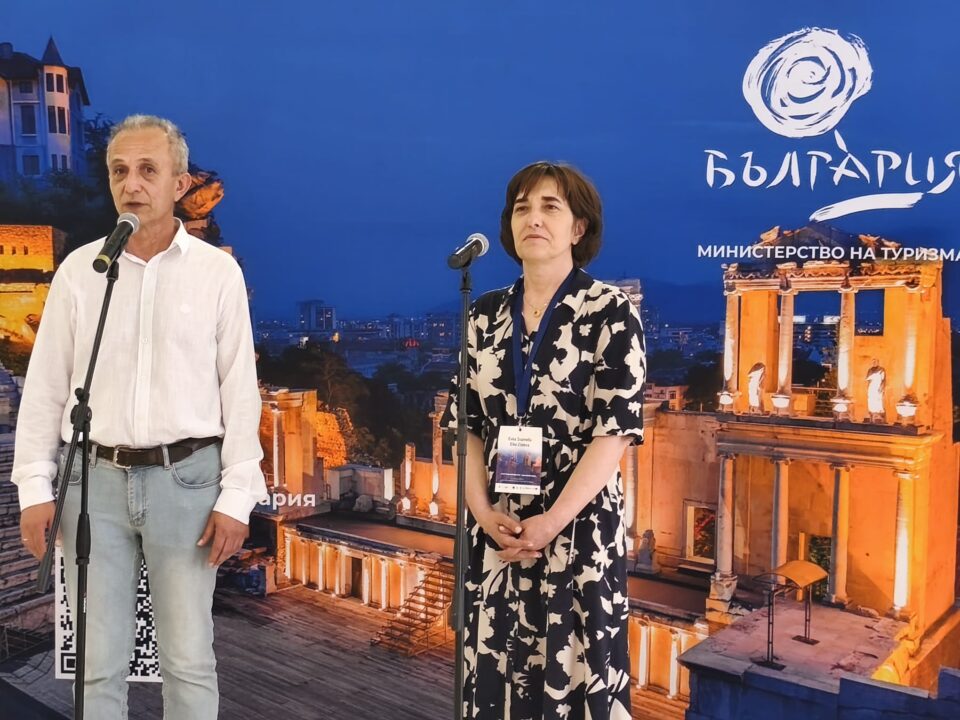
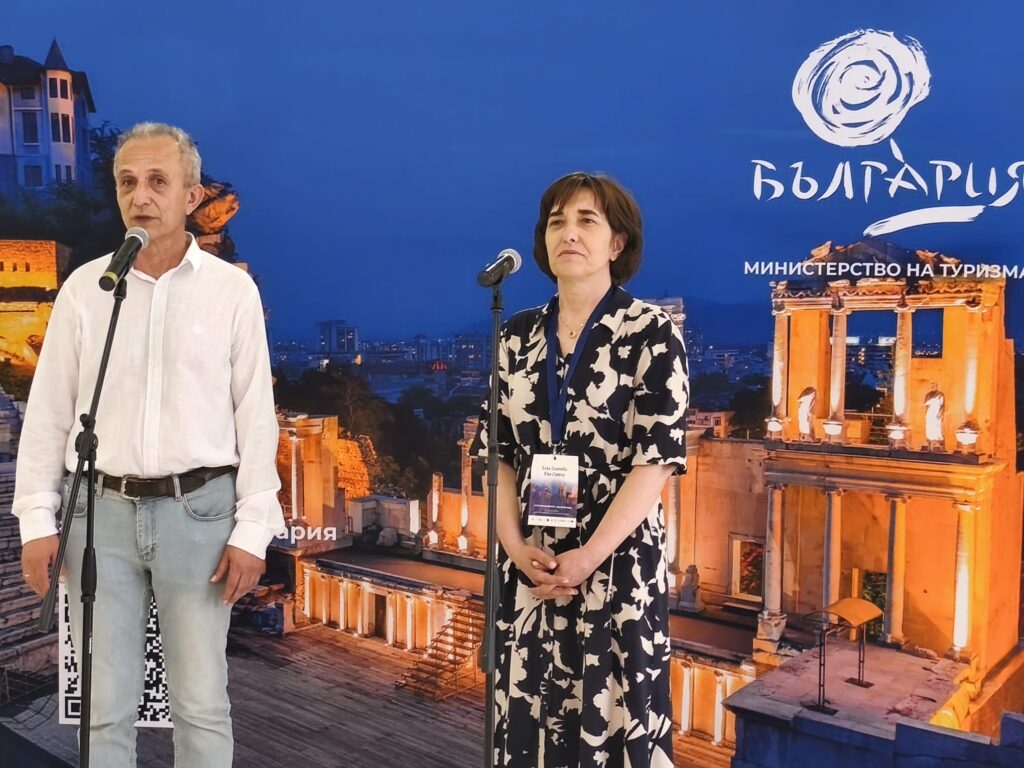
Plovdiv, Bulgaria – 11–12 June 2026
The AEPJ, representing the European Route of Jewish Heritage (ERJH), participated in the international forum Cultural Routes – Bulgaria 2026, held in Plovdiv on 11–12 June. The event brought together representatives of certified Cultural Routes of the Council of Europe, national and local authorities, museums, cultural institutions, academics, tourism professionals and heritage organisations to explore the role of cultural routes in promoting sustainable development, cultural diplomacy and regional cooperation.
Organised with the support of key Bulgarian institutions, including the Ministry of Tourism, the Ministry of Culture, the Bulgarian Academy of Sciences and the National Association of Municipalities, the forum offered an important platform for presenting successful Cultural Route initiatives and discussing future opportunities for Bulgaria’s participation in the Cultural Routes programme of the Council of Europe.
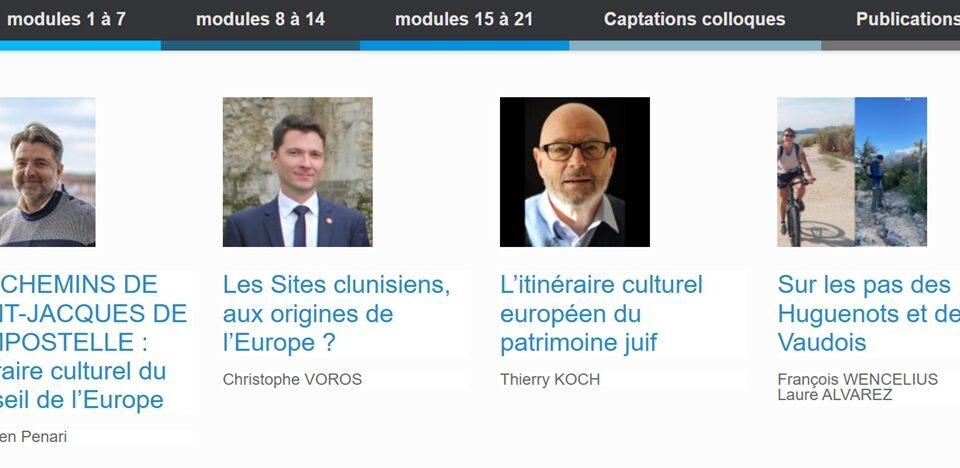
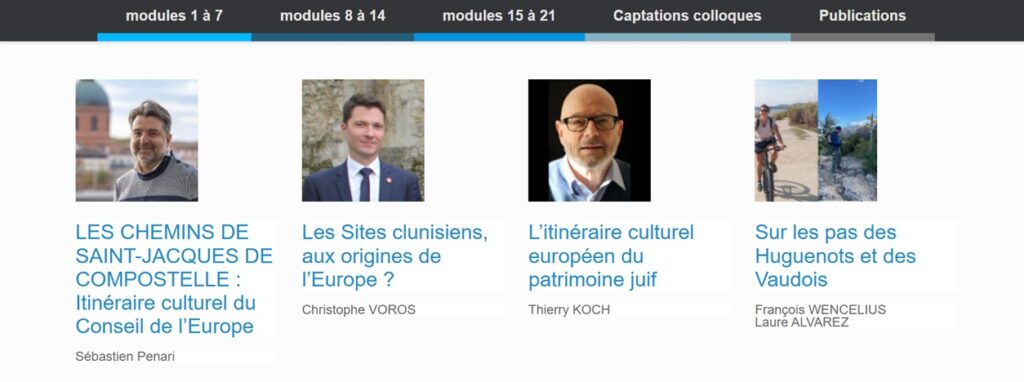
The European Routes of Jewish Heritage (ERJH), coordinated by the AEPJ, have gained new visibility through a dedicated presentation published on e-patrimoines.org, the online heritage training platform of the French Ministry of Culture.
Created in 2011, e-patrimoines.org serves as a reference platform for training and knowledge-sharing on both tangible and intangible heritage, primarily for French-speaking audiences. The platform is managed by the World Heritage Mission of the French Ministry of Culture, led by Bruno Favel. Since 2021, the Mission has actively supported the Cultural Routes of the Council of Europe that cross France, working closely with French representatives of certified routes.
JECPJ France, a long-standing AEPJ associate, represents the European Routes of Jewish Heritage (ERJH) before the World Heritage Mission, with Thierry Koch, Vice-President of JECPJ France, serving as the route’s representative in this collaboration.
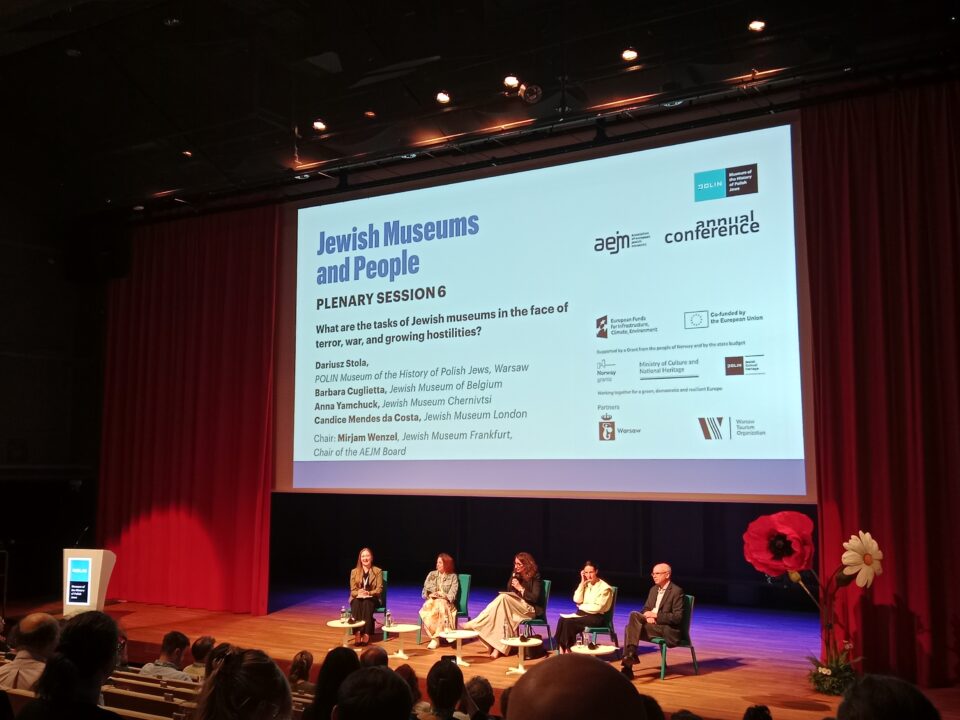
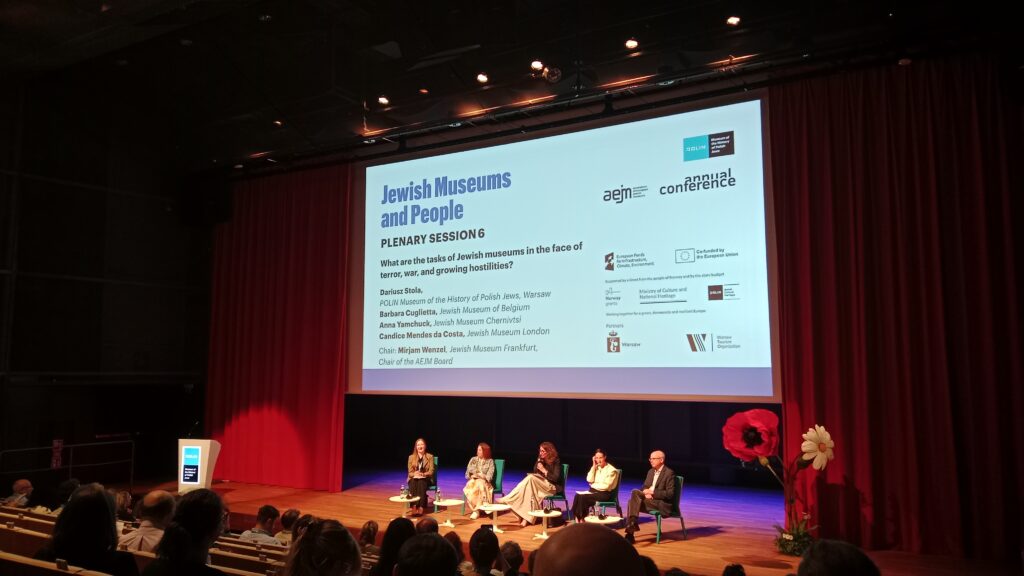
AEPJ, as an associate member of the Association of European Jewish Museums (AEJM), participated in the AEJM Annual Conference 2026, held at the POLIN Museum of the History of Polish Jews in Warsaw on 7th, 8th and 9th June. Under the theme Jewish Museums and People, the three-day event brought together professionals from Jewish museums and heritage institutions across Europe and beyond.
The conference proved to be a valuable opportunity for AEPJ to strengthen existing partnerships and forge new connections with a wide range of actors in the Jewish heritage sector. Over the course of the three days, AEPJ representatives engaged in meaningful exchanges with museum directors, curators, educators, and cultural heritage professionals from across Europe, Israel, and North America.
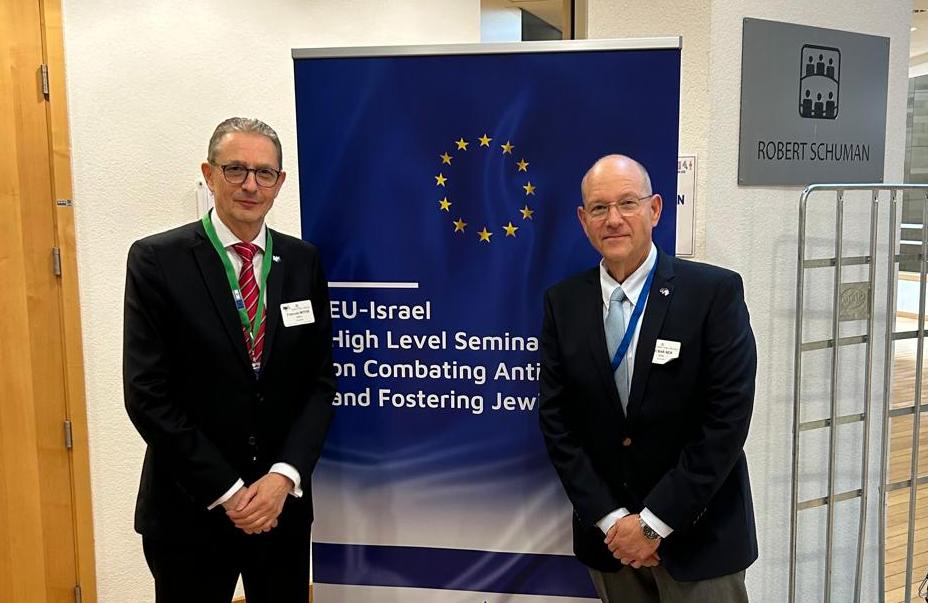
Brussels, 8 June 2026 – The Association of European Jewish Heritage (AEPJ) took part in the 16th EU–Israel High-Level Seminar on Combating Antisemitism and Fostering Jewish Life, organised by the European Commission in Brussels. The annual forum brought together European and Israeli officials, policymakers, researchers, civil society representatives and Jewish organisations to address the challenges facing Jewish communities across Europe and explore strategies to combat antisemitism while strengthening Jewish life.
AEPJ President François Moyse was invited to speak during the seminar’s second session, dedicated to Antisemitism, Holocaust Remembrance and Jewish Life in Education and Research. The panel brought together representatives from the European Commission, UNESCO, Yad Vashem, the European Union of Jewish Students and other leading institutions working in the fields of education, remembrance and Jewish life.

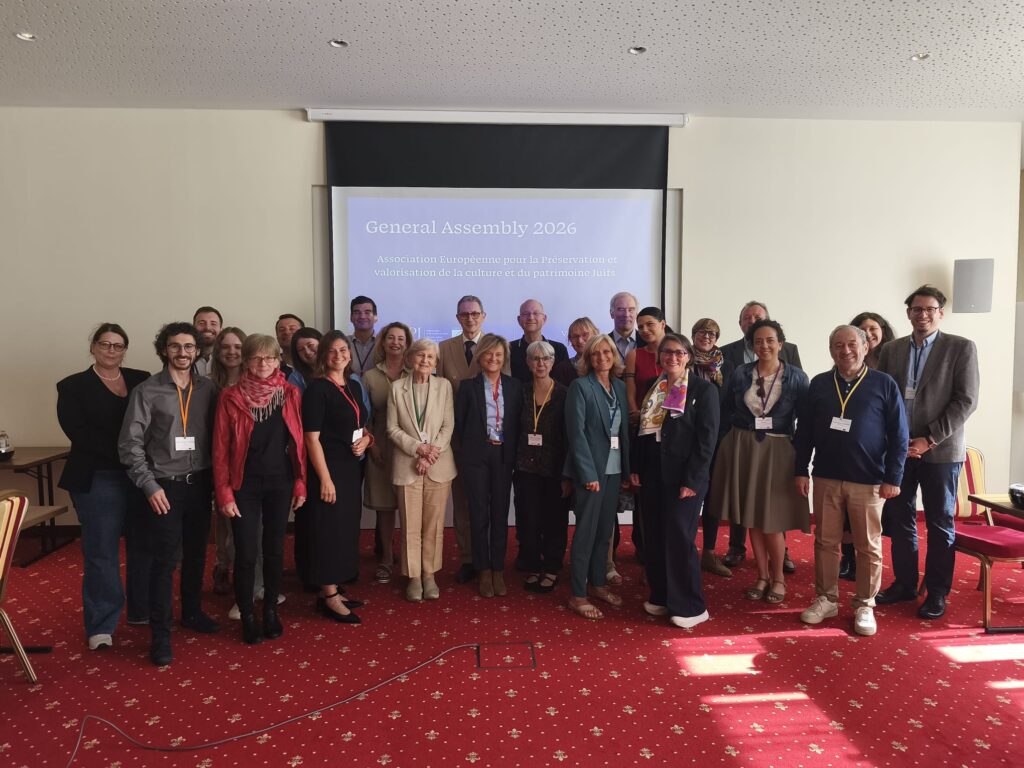
Vienna, Austria – 8 June 2026
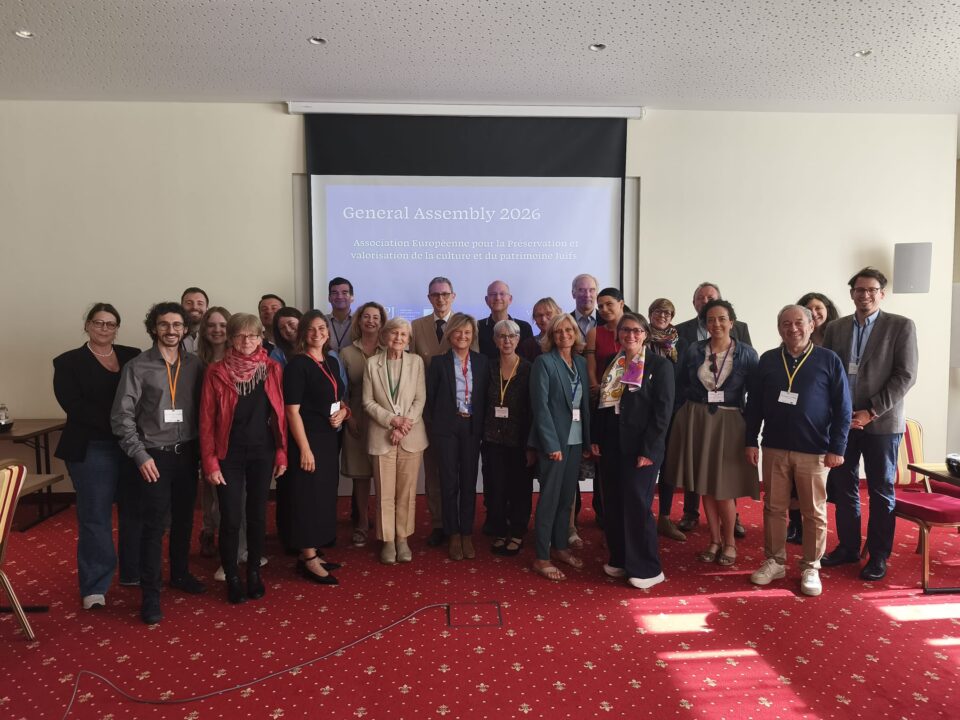
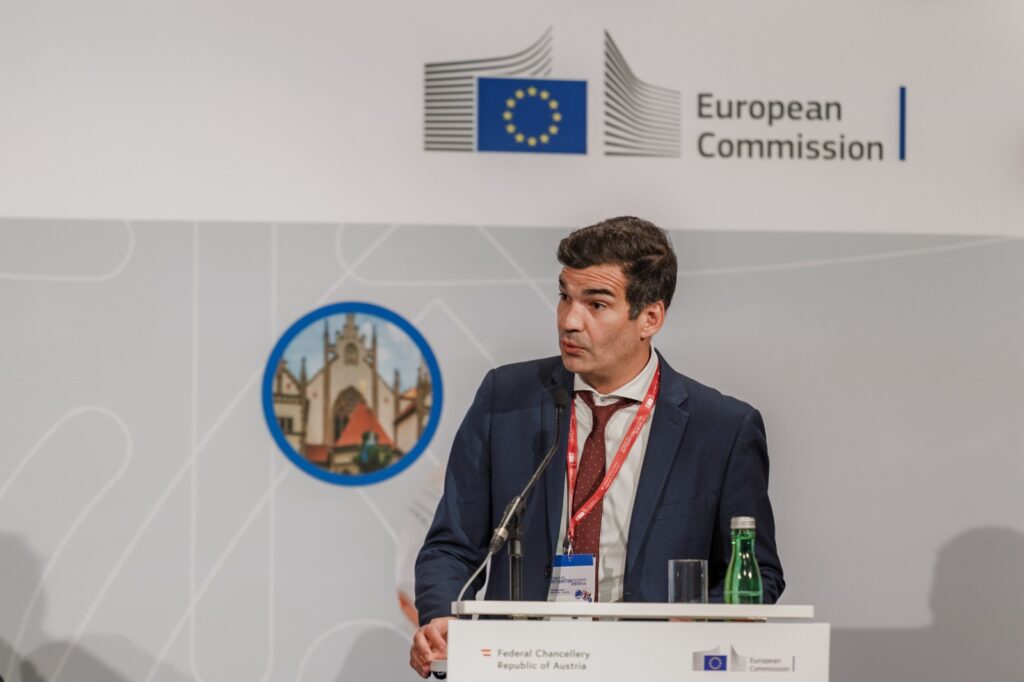
The Association of European Jewish Heritage (AEPJ) concluded its 2026 General Assembly in Vienna today, bringing together members, partners and stakeholders from across Europe for three days of strategic discussions, institutional meetings and encounters centred on the future of Jewish heritage in Europe.
Hosted in cooperation with AEPJ associate Burgenländische Forschungsgesellschaft (BFG), the gathering took place in Vienna’s historic second district, once home to one of the city’s most vibrant Jewish communities. Participants met at Hotel Stefanie, located in the former Jewish quarter, providing a fitting backdrop for conversations about heritage, memory and the future of Jewish life in Europe.
Opening the General Assembly, AEPJ President François Moyse expressed solidarity with Ukraine and welcomed new members from the Lviv Tourism Office, underlining the organisation’s continued commitment to supporting Jewish heritage initiatives across the continent, particularly in challenging times.