
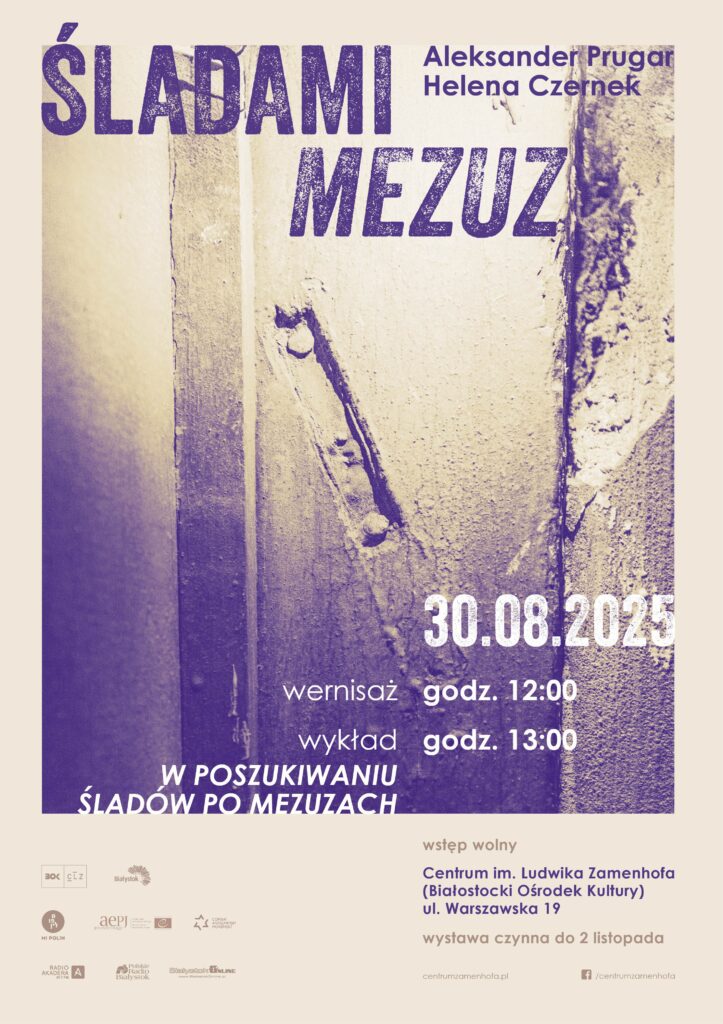
Exhibition: Traces of Mezuzot – Windows into the Polish-Jewish World
From the end of August through September and November, the Ludwik Zamenhof Center hosts a unique exhibition dedicated to mezuzah traces and Polish-Jewish history.
Unlike synagogues or cemeteries, which are protected by law as symbols of Jewish communities, mezuzah traces are personal – silent marks left on doorposts that testify to the lives of individual families. These traces open symbolic “keyholes” into the world of Polish Jews, allowing us to reconstruct stories and memories that might otherwise remain hidden.
The exhibition presents 100 mezuzah traces found in 93 towns and cities in Poland and beyond, offering a moving journey into the everyday lives of Jewish families.
Alongside the exhibition, we host a Hebrew calligraphy workshop with Helena Czernek and a lecture and discussion with its authors – Aleksander Prugar and Helena Czernek – who explore questions such as: What is a mezuzah trace? How are they formed? What role do they play in Polish-Jewish memory? How can we search, categorize, and interpret them? Personal stories connected to these traces will also be shared.
The program is designed for teenagers, students, adults, and seniors, with an expected audience of around 300 participants. The event is organized in partnership with the POLIN Museum of the History of Polish Jews.
Follow the Ludwik Zamenhof Center (Bialystok Cultural Centre) and visit their website.
The event is part of the Cities Embracing Jewish Heritage initiative supported by the Combat Antisemitism Movement and the European Association for the Preservation and Promotion of Jewish Culture and Heritage

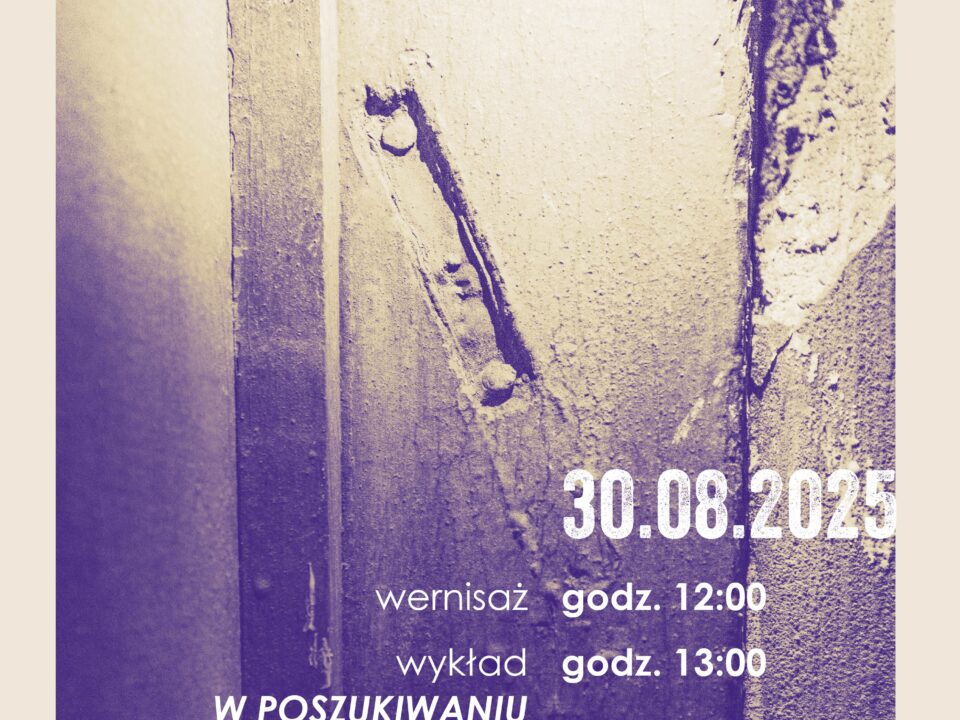
Exhibition: Traces of Mezuzot – Windows into the Polish-Jewish World
From the end of August through September and November, the Ludwik Zamenhof Center hosts a unique exhibition dedicated to mezuzah traces and Polish-Jewish history.
Unlike synagogues or cemeteries, which are protected by law as symbols of Jewish communities, mezuzah traces are personal – silent marks left on doorposts that testify to the lives of individual families. These traces open symbolic “keyholes” into the world of Polish Jews, allowing us to reconstruct stories and memories that might otherwise remain hidden.
The exhibition presents 100 mezuzah traces found in 93 towns and cities in Poland and beyond, offering a moving journey into the everyday lives of Jewish families.
Alongside the exhibition, we host a Hebrew calligraphy workshop with Helena Czernek and a lecture and discussion with its authors – Aleksander Prugar and Helena Czernek – who explore questions such as: What is a mezuzah trace?
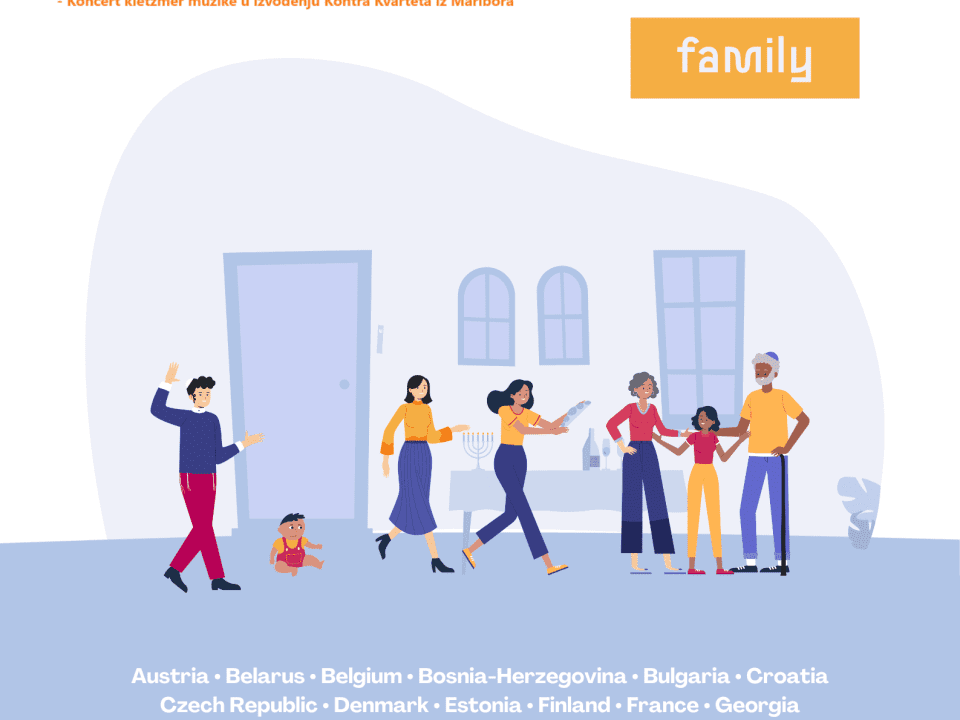
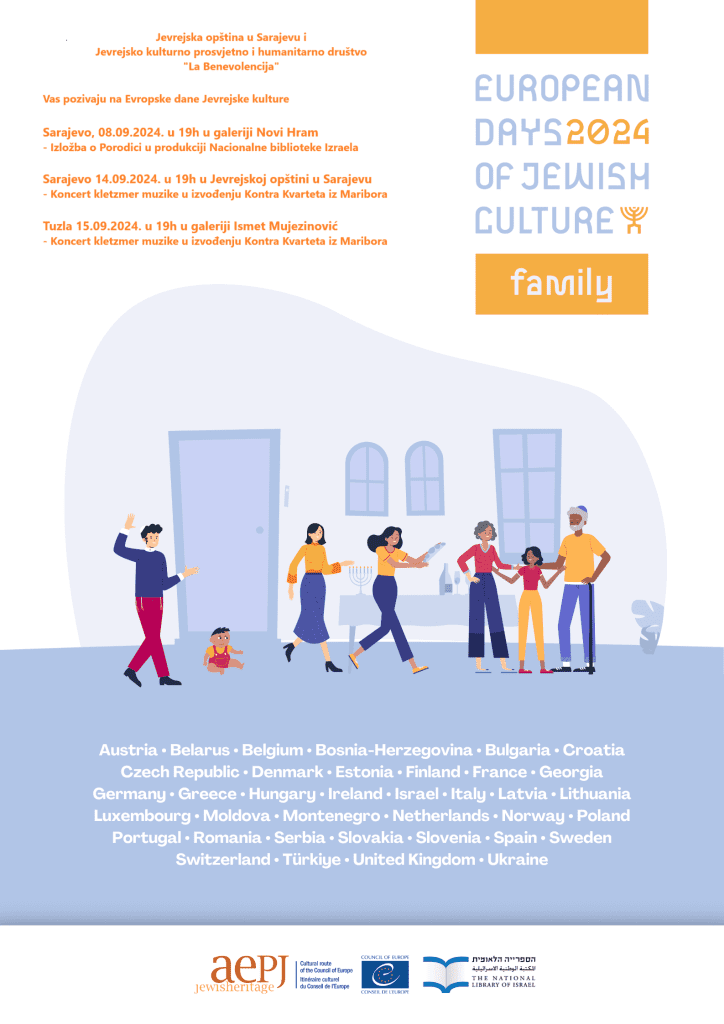
Opening of the exhibition of families produced by the National Library of Israel
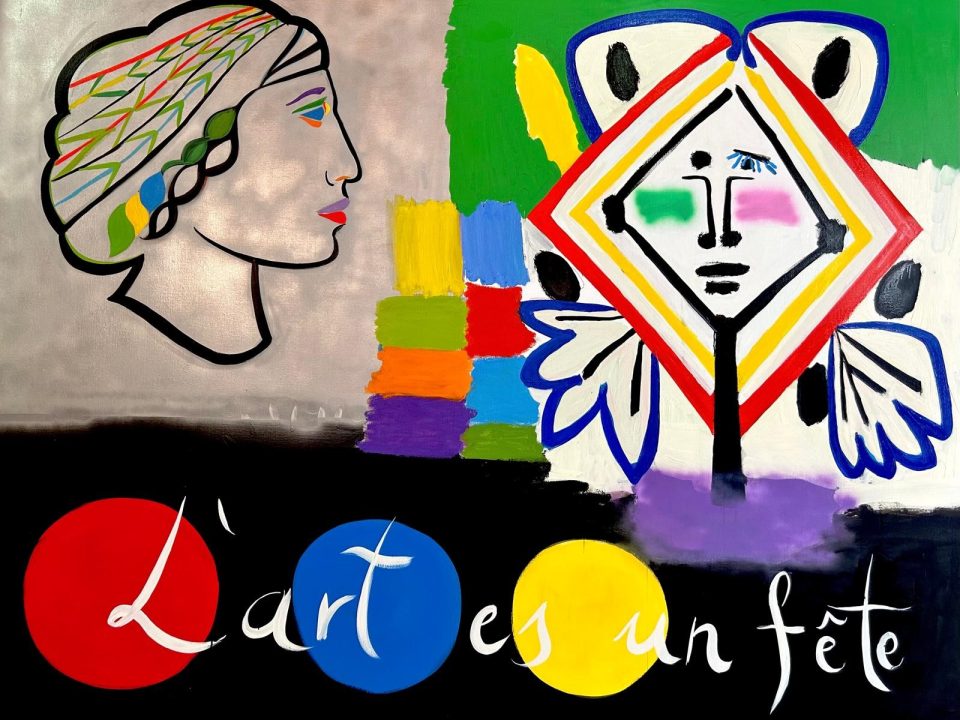
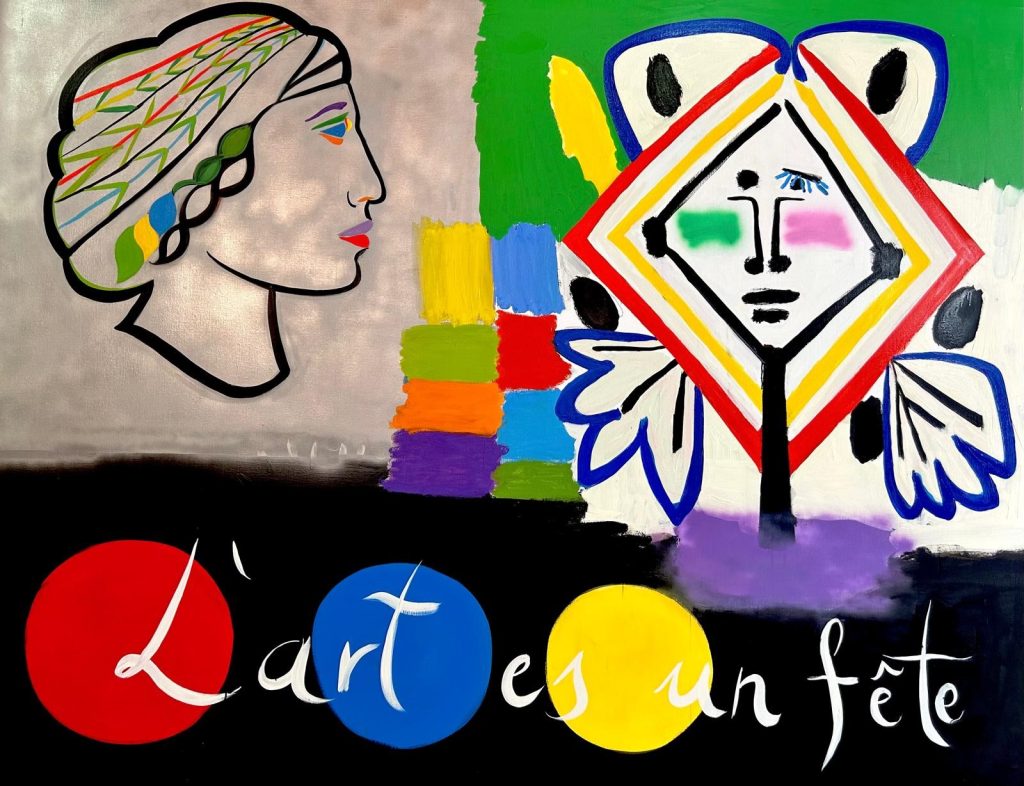
La galerie Saphir présente à Paris dans sa galerie du Marais pour les Journées Européennes de la Culture Juive, la première rétrospective de l’artiste espagnole Elisabeth Ollé Curiel du 19 septembre au 3 octobre 2024, à l’occasion de la sortie de la monographie qui lui est consacrée, La beauté voyageuse, écrite par l’historienne de l’art Delphine Durand.
Elisabeth Ollé Curiel est une artiste singulière plongée dans l'exaltation des formes.De par ses origines, elle nourrit son œuvre de références vénézuéliennes, de symboles amérindiens, mêlant les cultures sépharades et européennes. Libérant les frontières pour dépasser l'exil et les identités blessées. La famille d'Élisabeth Olle Curiel s'enracine au sein des Antilles néerlandaises, ces îles -sous-le-vent qui furent accueillantes aux Juifs chassés d'Espagne en 1492.
Pour les Journées Européennes de la Culture Juive 2024 et à la demande de l’AEPJ (Association Européenne pour la Promotion et la Préservation de la Culture et du Patrimoine Juifs), la Bibliothèque Nationale d’Israël a préparé une exposition sur le thème « Famille ».
L’exposition, illustrée par de nombreux documents issus principalement des collections de la Bibliothèque Nationale d’Israël, décline l’importance de la famille dans le judaïsme au travers des thèmes suivants : famille et tradition, familles illustres, familles de cœur, parents et enfants, histoires familiales, fonder une famille, rites familiaux, familles séparées.
Grâce au travail d’Hélène Papiernik et de Désirée Mayer, JECPJ-France a réalisé une adaptation française de cette exposition
L’exposition sera présentée auparavant au public à Metz, Colmar, Mulhouse et Thann.
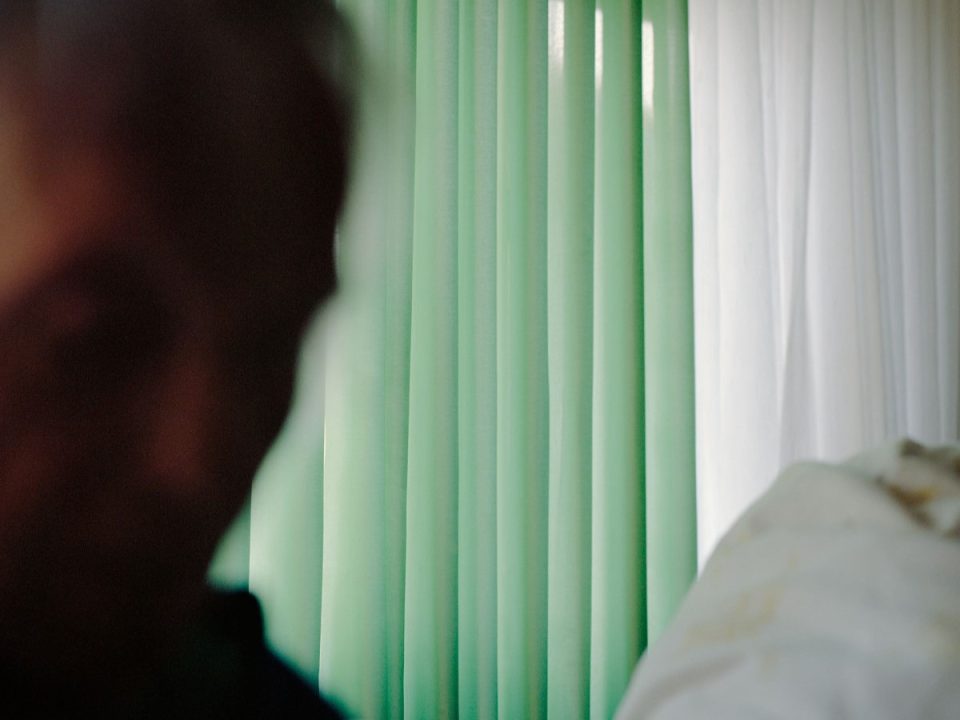
Festival of Photography Maribor 2024 in the Synagogue Maribor, photography exhibition In the Mountains, the Sun is Shining by Matevža Čebašek and the Synagogue Maribor's open doors day at the opening of the Festival of Photography Maribor 2024
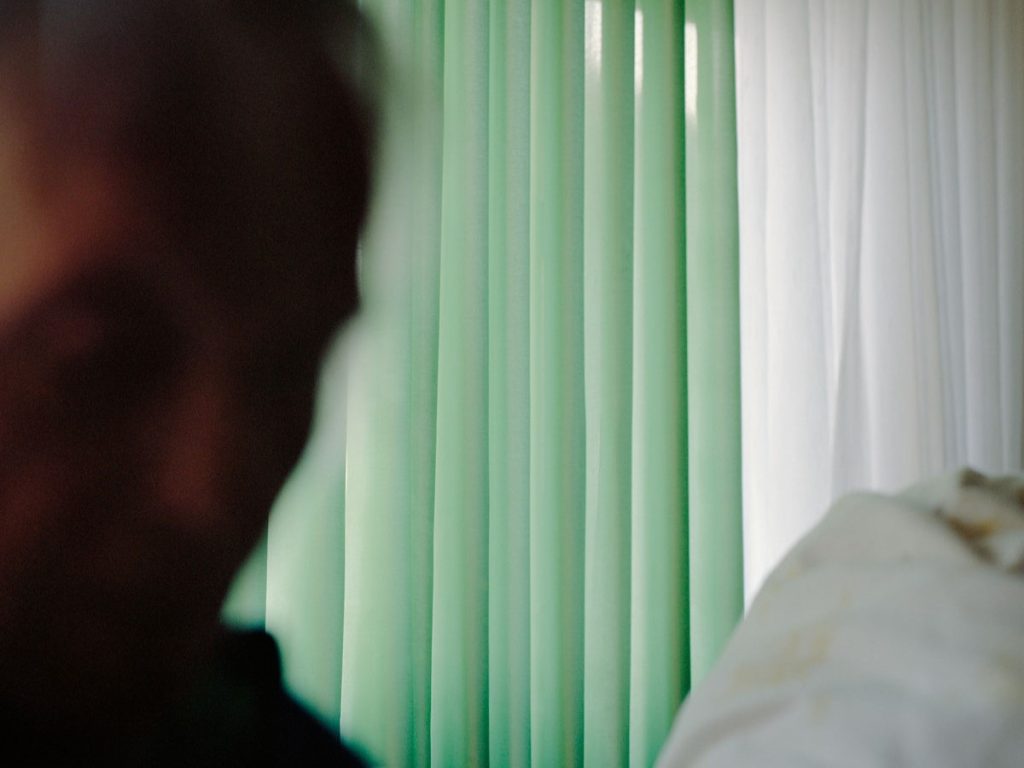
Every year, the Synagogue Maribor traditionally hosts one of the exhibitions of the Festival of Photography Maribor, which takes place right during the European Days of Jewish Culture. As part of the festival, the young photographer and graphic designer Matevž Čebašek will present himself in the Synagogue Maribor, who in his artistic creativity is constantly developing his own long-term projects aimed at showing and questioning various socio-political issues. In the Mountains, the Sun is Shining is his latest author's project, in which he investigates the disease of dementia based on experiences from the intimate sphere of his family, paying particular attention to the issues of vulnerability and unreliability of memory, which are related to dementia and placed in a specific historical context.
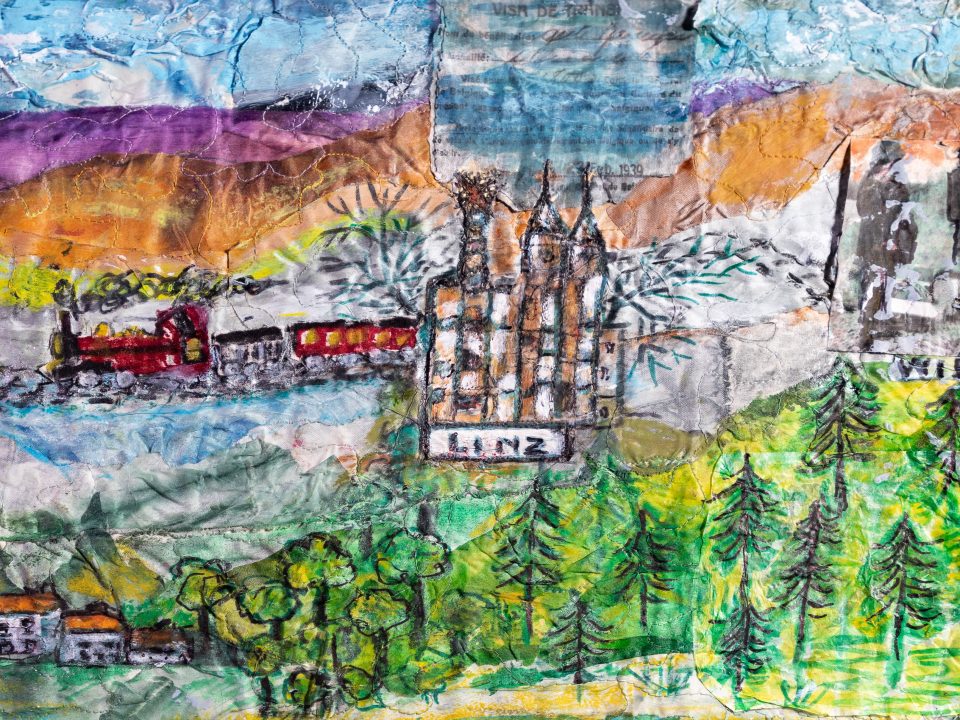
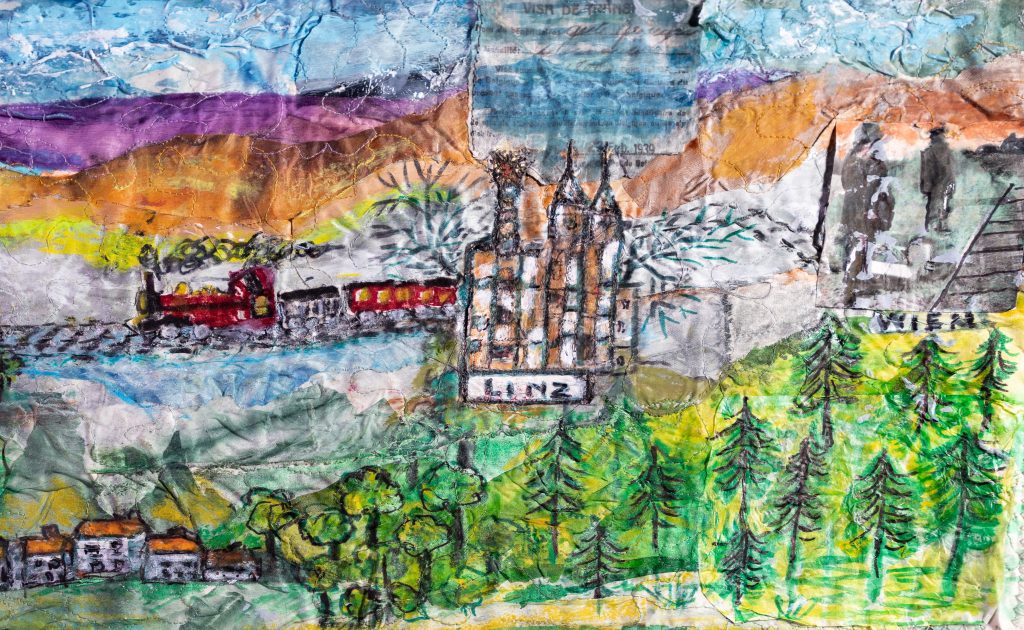
'Threads through time' is an exhibition of memory works by artist Lis Mann telling her personal story of being a Jewish refugee child from Nazi-occupied Austria.
Lis uses textiles combined with other materials to make visible stories and experiences that are partial, too painful or complex for words. Through her art she confronts past and present, piecing together fragmented memories and feelings. To stitch is to bind patches of fabric together, to mend, to renew. 'Threads through time' is Lis' individual story of self-making, but her works echo other refugee stories, past and present, and suggest wider questions about exile and belonging today.
Lis Mann is a local artist, tutor, mentor and speaker who uses a mixture of mediums and materials to explore thoughts, ideas and feelings.
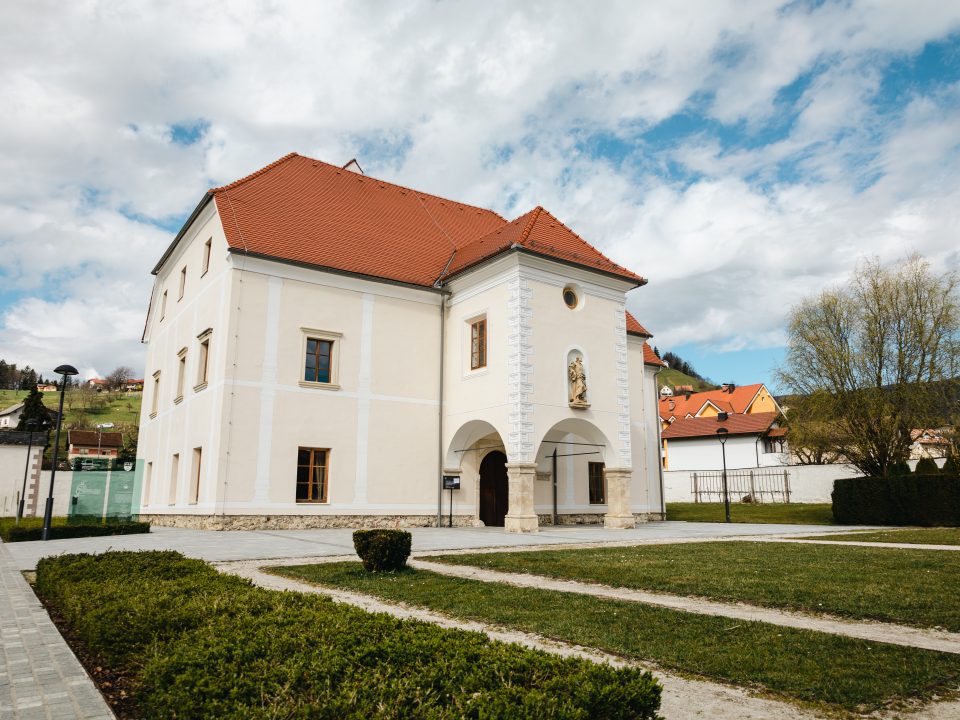
"Here is where death worked itself to death…": Slovenian victims of Auschwitz, opening of a documentary exhibition by Boris Hajdinjak
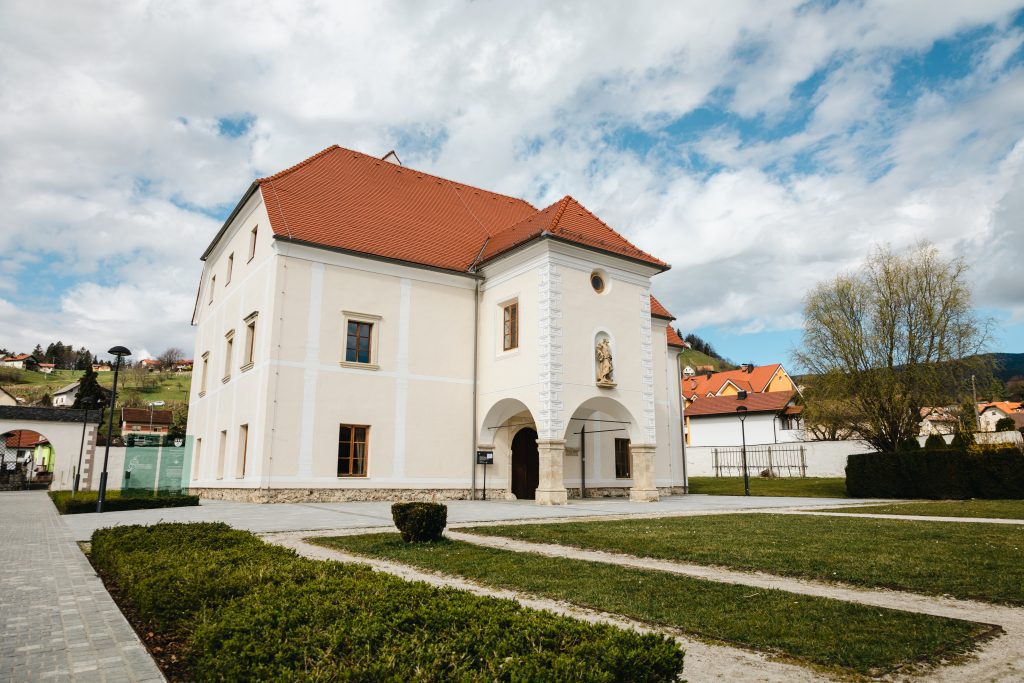
A guest documentary exhibition by Boris Hajdinjak, director of the Synagogue Maribor, tells the story of about 2,300 people from Slovenia who were taken to the Auschwitz concentration camp. Most of them were Slovenians, but among those deported were about 350 Jews, at least 78 Roma, and at least one member of Jehovah's Witnesses from Slovenia. For about 1,300 of them, Auschwitz was the place of death, which means that this place is one of the largest cemeteries of Slovenian victims of the Second World War. The exhibition will be held in the Mansion.
__________
»Tu se je smrt utrudila do smrti …«: slovenske žrtve Auschwitza, odprtje dokumentarne razstave avtorja Borisa Hajdinjaka
Gostujoča dokumentarna razstava avtorja Borisa Hajdinjaka, direktorja Sinagoge Maribor, pripoveduje o okoli 2.300 ljudeh iz Slovenije, ki so jih odpeljali v koncentracijsko taborišče Auschwitz.
Family, documentary exhibition of the National Library of Israel
"Family" is a theme in European Jewish culture with varying dimensions and depth, which also includes the enduring influence of tradition, from the biblical narratives of patriarchs and matriarchs to the timeless commandment "Honour your father and mother." This tradition still shapes modern family life and family, roles and patterns, and connects the past with the present. In addition to presenting the rich material held by the National Library of Israel and many other related institutions, the authors of the Family exhibition also spoke about various aspects of family life: family values, the history of individual families and how this history defines an individual family, the creation of a family and the relationship between parents and children, family traditions, and (forced) separations and reunions.



MUSEO ARQUEOLÓGICO DE LORCA
El Museo Arqueológico Municipal de Lorca reabrió su exposición permanente tras los terremotos del 11 de mayo de 2011, para mostrar una parte importante de la Historia de Lorca a través de las colecciones arqueológicas. Las excavaciones arqueológicas llevadas a cabo en una amplia zona del castillo de Lorca, han permitido documentar parte de la judería bajomedieval con una sinagoga situada en el centro del barrio judío. En la sala XII del museo se exponen las piezas halladas.
Fechas y horarios:
De Martes a Sábados 10h a 14h y 17h a 19h
Domingos: 10h a 14h
Precio: Gratuito
Tfno. contacto museo: 968 406 267