
Márton Faragó – The First Educated Painter of Jewish Origin from Lendava, documentary exhibition by Dr Albert Halász
Márton Faragó was born in 1880 in Dolnja Lendava (today’s Lendava) as Mór Freyer. He was the youngest of eight children in the family of a Jewish merchant. Already at a young age, Marci, as he was called, showed a talent for painting, so that after schooling in his hometown, in 1895 he enrolled at the State Royal School of Applied Arts in Budapest, where he graduated with honours in 1900 at the Department of decorative painting. Later he studied at the Hungarian University of Fine Arts in Budapest, and he also trained with one of the most prominent painters at the time, Simon Hollósy, the founder of several painting schools (Nagybánya/Baia Mare, Técső/Tyachiv, Munich). At Hollósy’s painting camp in Tecso, Faragó is said to have met the famous painter Ferenc Sass Brunner, with whom they became friends and in 1908 founded their first painting school in Szombathely. Later, painting schools – which were not only intended for the development of painting skills, but also for the promotion of artistic creation and art in general – were also established in some other places. Dr Albert Halász, associate of the local history department of the Provincial and Study Library Murska Sobota.
__________
Márton Faragó – prvi izobraženi slikar judovskega porekla iz Lendave, dokumentarna razstava avtorja dr. Alberta Halásza
Márton Faragó je bil rojen leta 1880 v Dolnji Lendavi (današnja Lendava) kot Mór Freyer. Bil je najmlajši od osmih otrok v družini judovskega trgovca. Že v mladih letih je Marci, kot so ga klicali, pokazal nadarjenost za slikanje, tako da se je po šolanju v domačem kraju leta 1895 vpisal v Državno kraljevo šolo za uporabno umetnost v Budimpešti in leta 1900 z odliko končal študij na Oddelku za dekorativno slikarstvo. Kasneje je študiral še na Madžarski univerzi likovnih umetnosti v Budimpešti, izpopolnjeval pa se je tudi pri Simonu Hollósyju, enem tedaj najvidnejših slikarskih mojstrov in ustanovitelju več slikarskih šol (Nagybánya/Baia Mare, Técső/Tyachiv, München). Na Hollósyjevem slikarskem taboru v Tecsoju naj bi spoznal znamenitega slikarja Ferenca Sassa Brunnerja, s katerim sta se spoprijateljila in leta 1908 ustanovila svojo prvo slikarsko šolo v Szombathelyu. Pozneje sta slikarske šole ustanovila tudi v nekaterih drugih krajih, njune šole pa niso bile namenjene zgolj razvijanju slikarskih veščin, temveč tudi promociji likovnega ustvarjanja in umetnosti nasploh. Razstavo z originalnimi likovnimi deli slikarja bo pripravil in na otvoritvi o njej spregovoril dr. Albert Halász, sodelavec domoznanskega oddelka Pokrajinske in študijske knjižnice Murska Sobota.
Organizator:
Pokrajinska in študijska knjižnica Murska Sobota
Program je podprlo:
Ministrstvo za kulturo Republike Slovenije
Márton Faragó – The First Educated Painter of Jewish Origin from Lendava, documentary exhibition by Dr Albert Halász
Márton Faragó was born in 1880 in Dolnja Lendava (today’s Lendava) as Mór Freyer. He was the youngest of eight children in the family of a Jewish merchant. Already at a young age, Marci, as he was called, showed a talent for painting, so that after schooling in his hometown, in 1895 he enrolled at the State Royal School of Applied Arts in Budapest, where he graduated with honours in 1900 at the Department of decorative painting. Later he studied at the Hungarian University of Fine Arts in Budapest, and he also trained with one of the most prominent painters at the time, Simon Hollósy, the founder of several painting schools (Nagybánya/Baia Mare, Técső/Tyachiv, Munich).
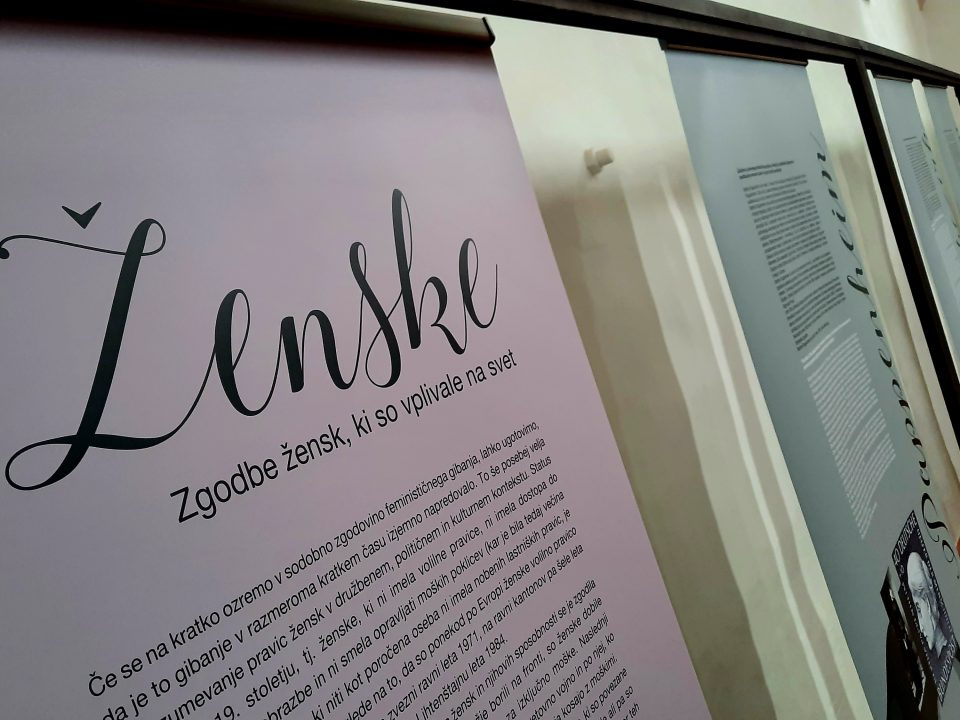
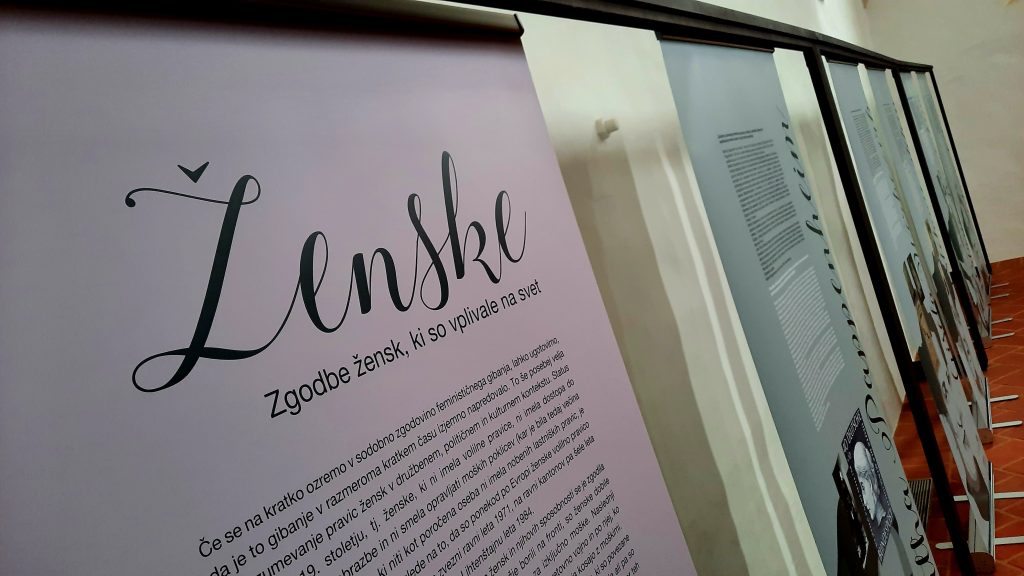
Women. Stories of Women Who Influenced the World, documentary exhibition of the Museum of Jewish Culture in Bratislava
The Museum of Jewish Culture in Bratislava, which operates under the auspices of the Slovak National Museum, once again presents itself to the visitors of the Synagogue Maribor: this time with the exhibition “Women. Stories of Women Who Influenced the World”. This exhibition tells the story of inspiring women of Jewish origin who are connected to today’s Slovak territory – whether they were born there, lived there or were of Slovak origin – and whose work has also reached the international arena. The selection of the personalities presented at the exhibition was quite a challenge, and the authors of the exhibition focused on representatives from various fields of science and art and from the business world.

¿Has estado alguna vez en una judería dentro de un castillo?
Ahora tienes la oportunidad de hacerlo y conocer los motivos que llevaron a una importante comunidad judía a construir una sinagoga dentro de las murallas del Castillo de Lorca.
Te invitamos a que seas uno de los antiguos pobladores de este lugar, con más de 500 años de antigüedad, paseando por los restos arqueológicos de la judería, sus calles y sus viviendas.
Tendrás la oportunidad de conocer la única sinagoga de la Península Ibérica visitable a día de hoy, que no ha sido profanada por ninguna otra religión y que conserva todas sus partes.
¿Nos acompañas?
Horarios:
SEPTIEMBRE
MAÑANAS: 11.00h
MEDIODÍA: 14.00h
TARDES SÁBADOS: 16.30h
PUNTO DE ENCUENTRO: PUERTA DE LA SINAGOGA.
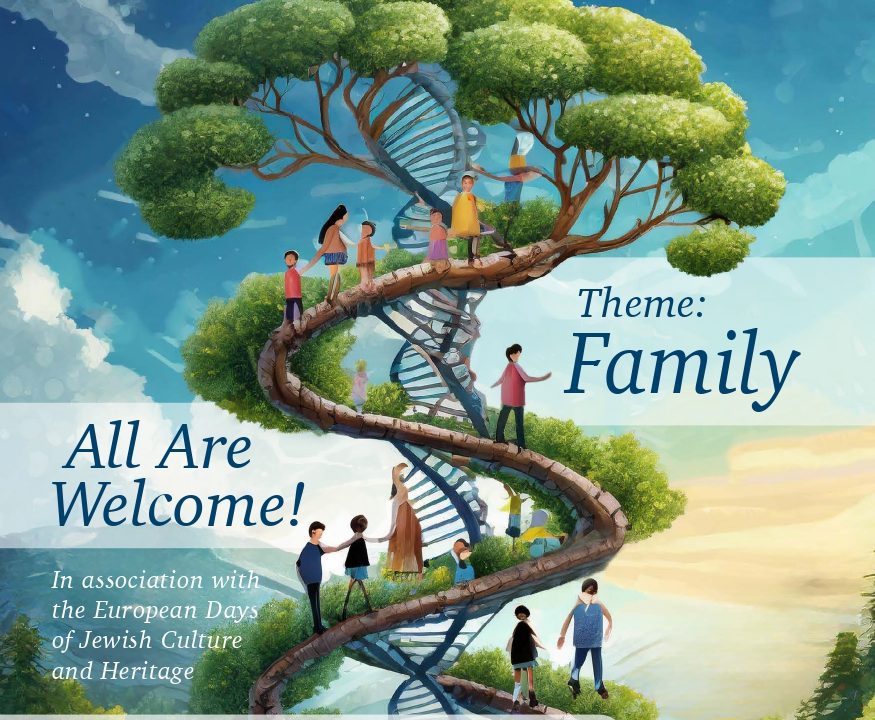

"Family Happening" comic exhibit – students' artists invite the locals to the special exhibit launch
Content based on local family stories
Dies ist die letzte Gelegenheit die beiden Sonderausstellung "Wiener Nostalgie – Vernetzte Erinnerungen an Emil Singer" und "Who Cares? Jüdische Antworten auf Leid und Not" im Museum zu sehen.
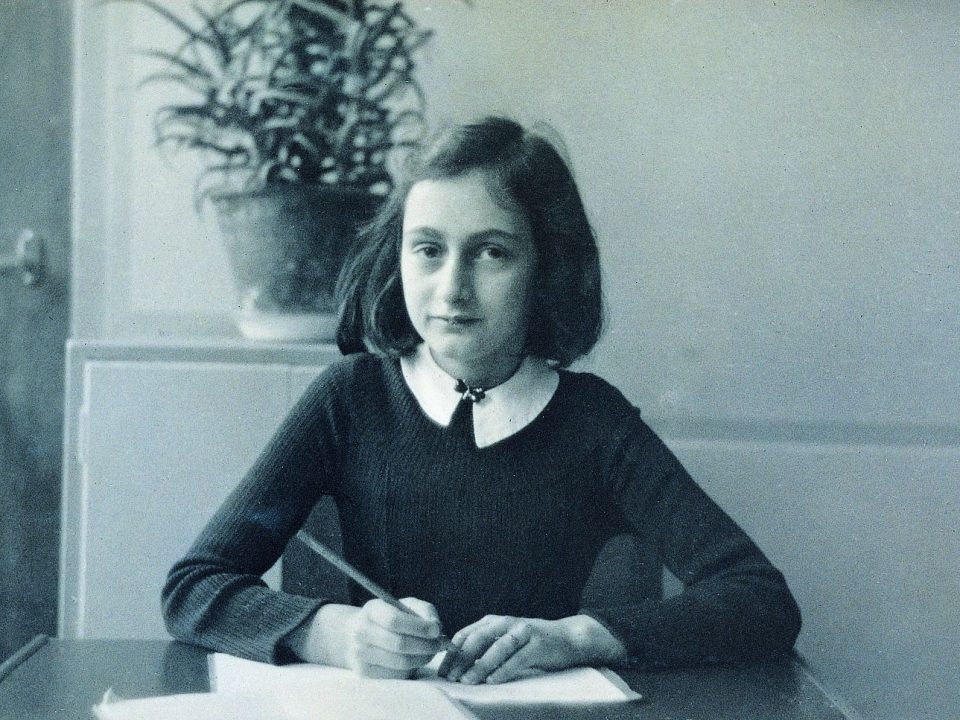
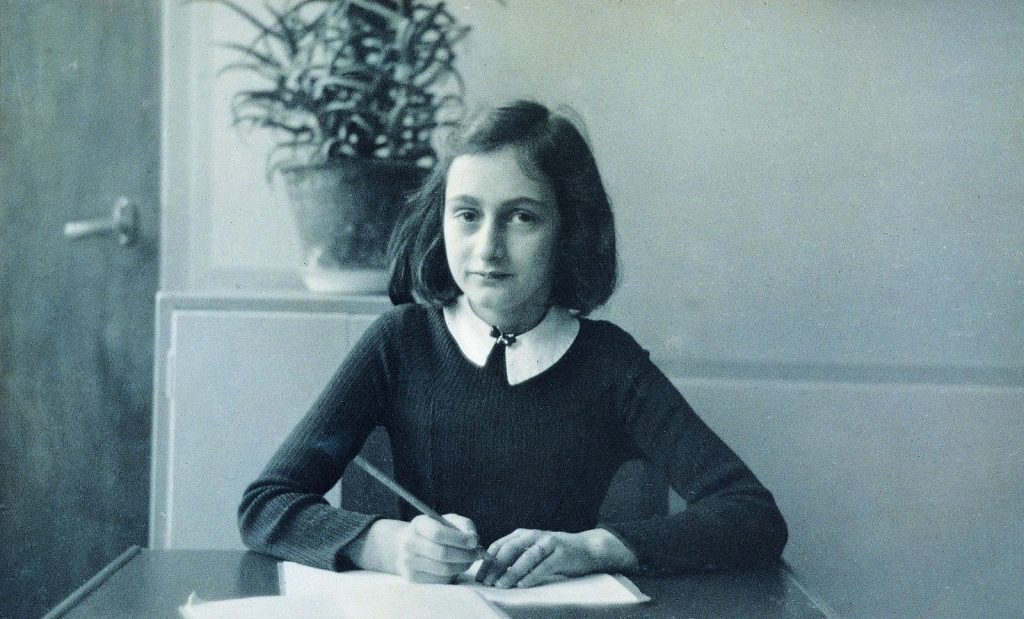
Anne Frank und ihre Geschichte:
Das Tagebuch des jüdischen Mädchens Anne Frank
(1929 -1945) ist Symbol für den Völkermord an den
Juden durch die Nationalsozialisten und intimes Dokument der Lebens- und Gedankenwelt einer jungen
Schriftstellerin.
In der Ausstellung erzählen große Bildwände von ihrem
Leben und ihrer Zeit: von den ersten Jahren in Frankfurt
am Main und der Flucht vor den Nationalsozialisten,
über die Zeit in Amsterdam – ihrer glücklichen Kindheit
und schweren Zeit im Versteck – bis hin zu den letzten
schrecklichen sieben Monaten in den Lagern Westerbork,
Auschwitz und Bergen-Belsen. Viele private Fotos erlauben einen intimen Einblick in das Leben der Familie
Frank und ihrer Freunde.
Der historische Kontext:
Die persönliche Geschichte Anne Franks wird verbunden
mit der Geschichte der Weimarer Republik, des Nationalsozialismus, der Verfolgung von Jüdinnen*Juden, des
Holocaust und des Zweiten Weltkriegs.
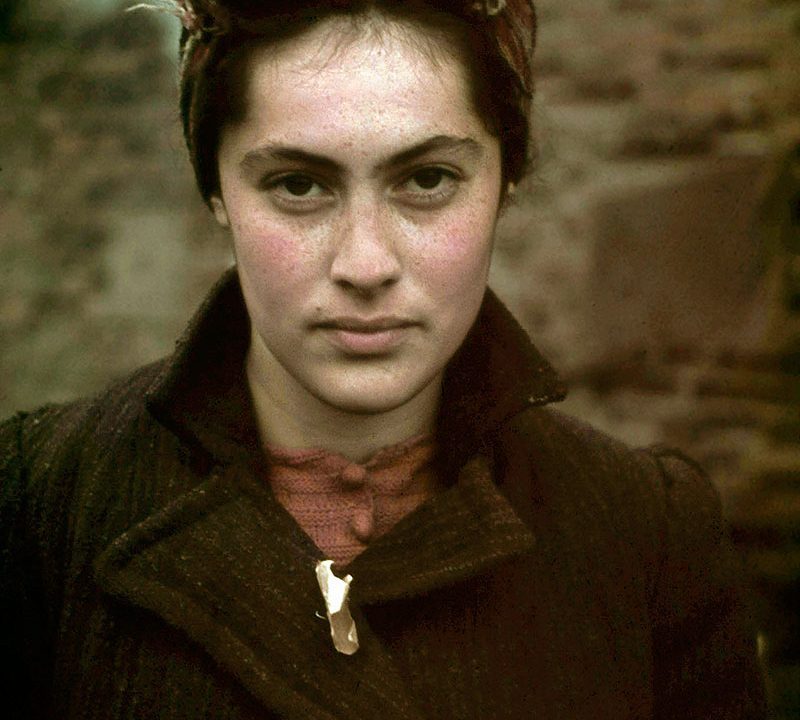
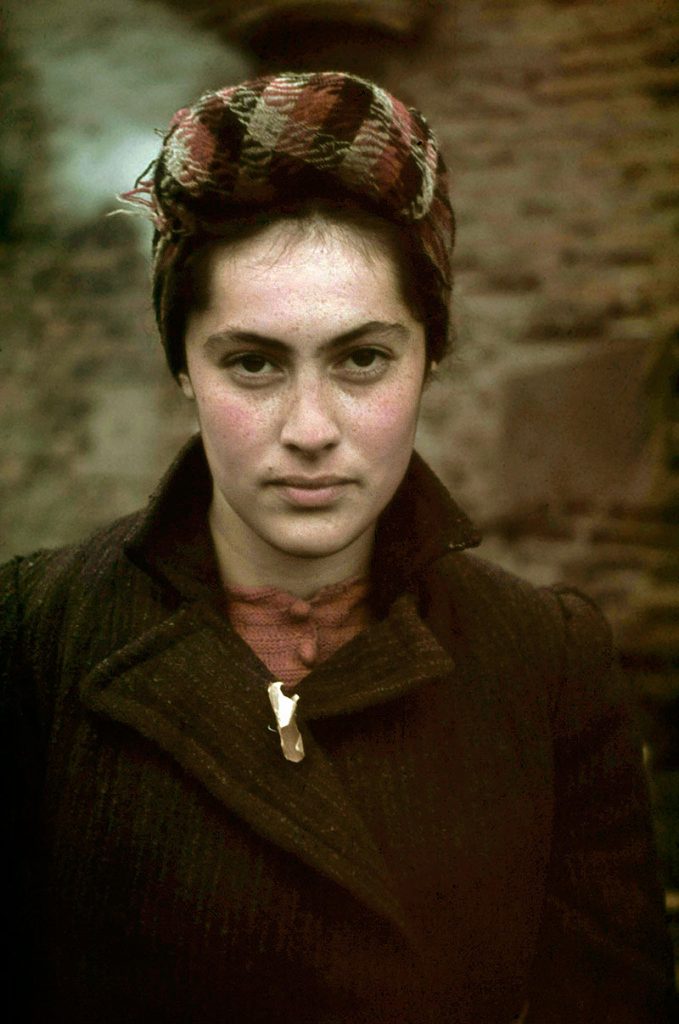
This exhibition is revealing the human story that lurks behind the historical account of what happened in Holocaust. This story is speaking about the Jewish victims and create space for the unique voice of the women among them. Women in the Holocaust applied their minds to a place that deprived them of their minds; brought strength to a place where they had no strength. And in a place where they and their families had no right to live, they marched all the way to death and invested every additional moment of life with meaning. It is precisely these women's voices that need to be emphasized and their stories told.
The exhibition is an adaptation of the exhibition "Spots of Light" , curator Yehudit Inbar.
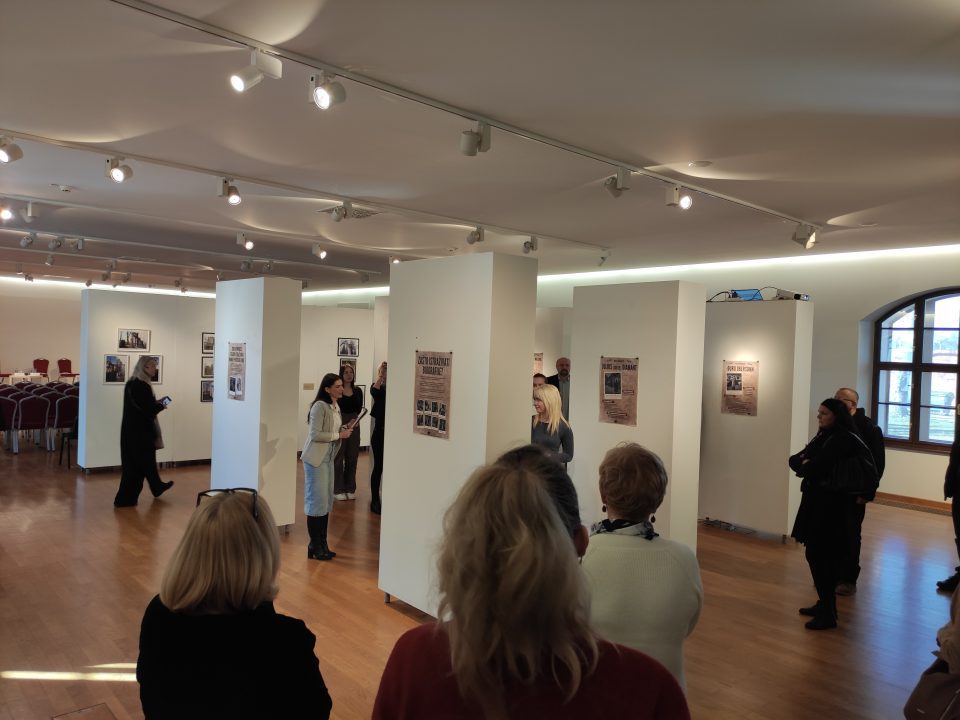


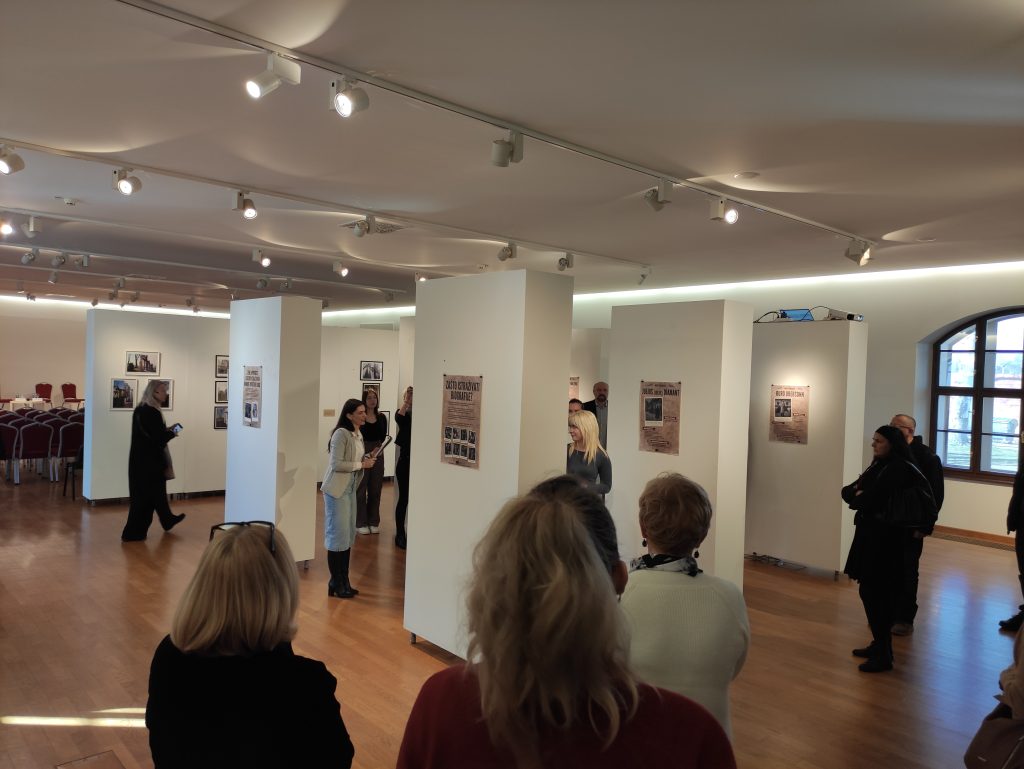
Europe House Vukovar together with Vukovar's gymnasium presents the project "Who did we forget? The heritage of the Jews in our city". Project partners are Kreuzberger Initiative gegen Antisemitismus , Berlin and Documenta – Centar za suočavanje s prošlošću, Zagreb.
The students from the Vukovar's gymnasium will present their research through several exhibitions.
The event is a part of Month of Jewish Culture and will take place in the City and University Library Osijek.