
Lecturer: Laila Šprajc
One of the ancient, and perhaps the oldest living languages, is certainly Hebrew. In the periods when it was not the vernacular, it remained the language of prayer, Torah study, and philosophical and literary creativity. At the end of the 19th century, by integrating old and new elements, the modern Hebrew language was created.
What are the similarities and differences between biblical and modern Hebrew? How to find a way out of the labyrinth of translation? How to faithfully follow the source language without distorting the target language? Along with numerous other questions, Laila Šprajc, a translator from Hebrew, will try to give some (in)appropriate answers.
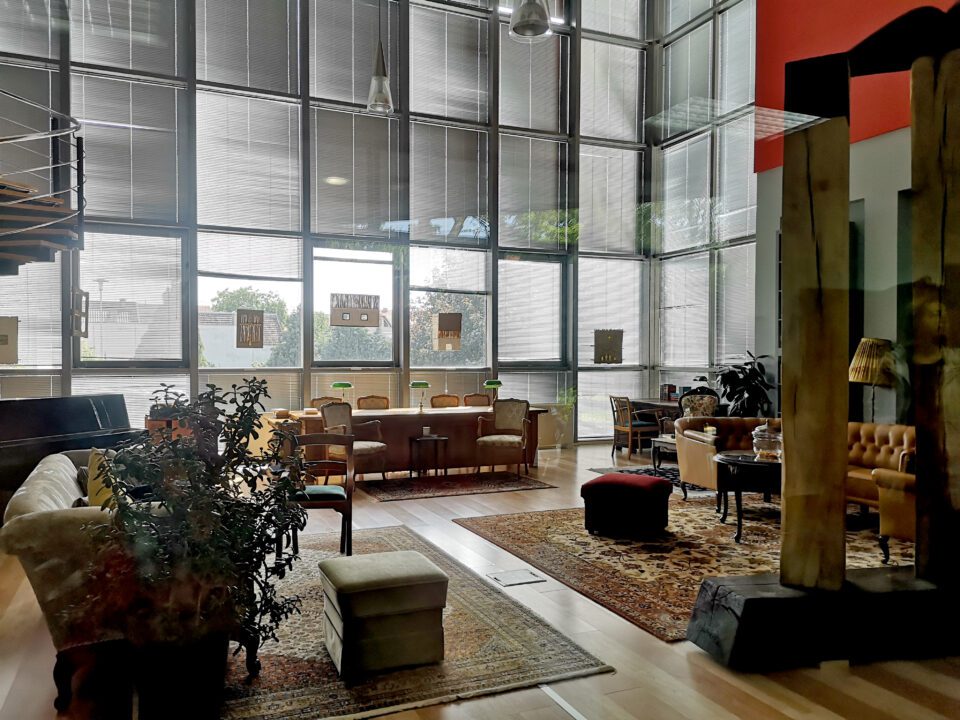
Lecturer: Laila Šprajc
One of the ancient, and perhaps the oldest living languages, is certainly Hebrew. In the periods when it was not the vernacular, it remained the language of prayer, Torah study, and philosophical and literary creativity. At the end of the 19th century, by integrating old and new elements, the modern Hebrew language was created.
What are the similarities and differences between biblical and modern Hebrew? How to find a way out of the labyrinth of translation? How to faithfully follow the source language without distorting the target language? Along with numerous other questions, Laila Šprajc, a translator from Hebrew, will try to give some (in)appropriate answers.
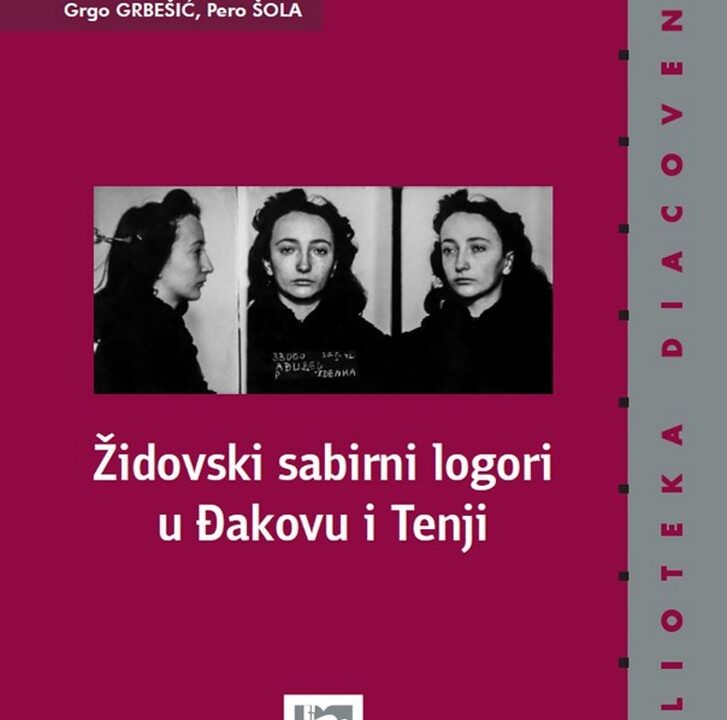
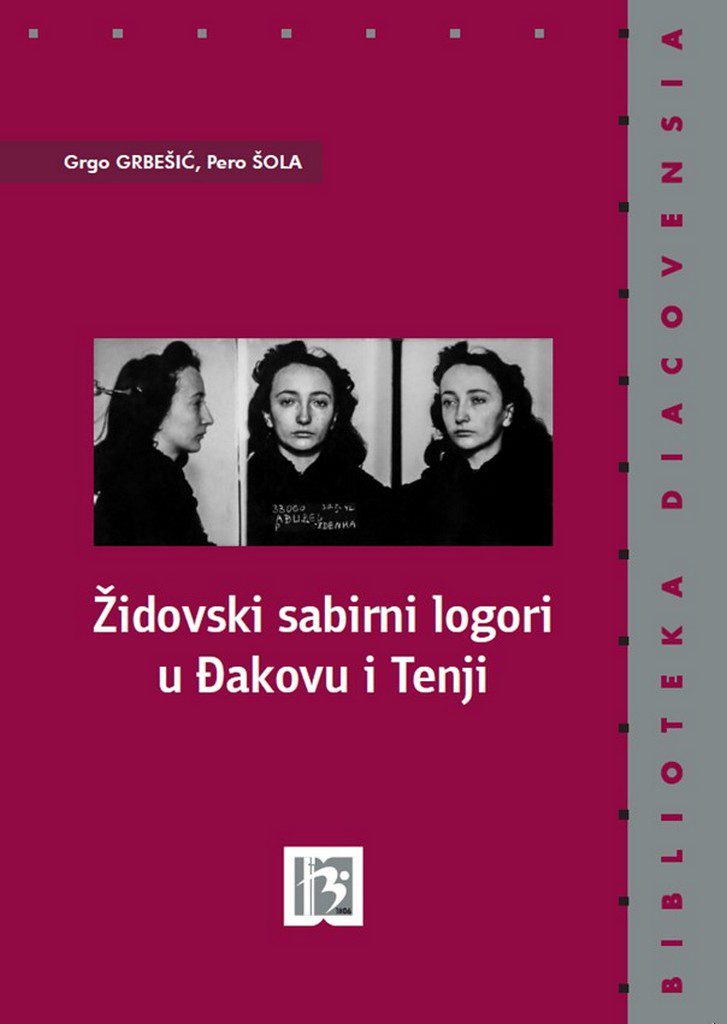
The Jewish concentration camp in Đakovo was established in December 1941 and closed in July 1942.
The book "Jewish Concentration Camps in Đakovo and Tenja" by Grgo Grbešić and Pero Šola, based on previous research and unpublished archival material, made its scientific contribution to shedding light on the suffering of the Jewish community during World War II in the Independent State of Croatia. The paper highlights new insights regarding the number of detainees, the main actors, and the fate of survivors in both camps.
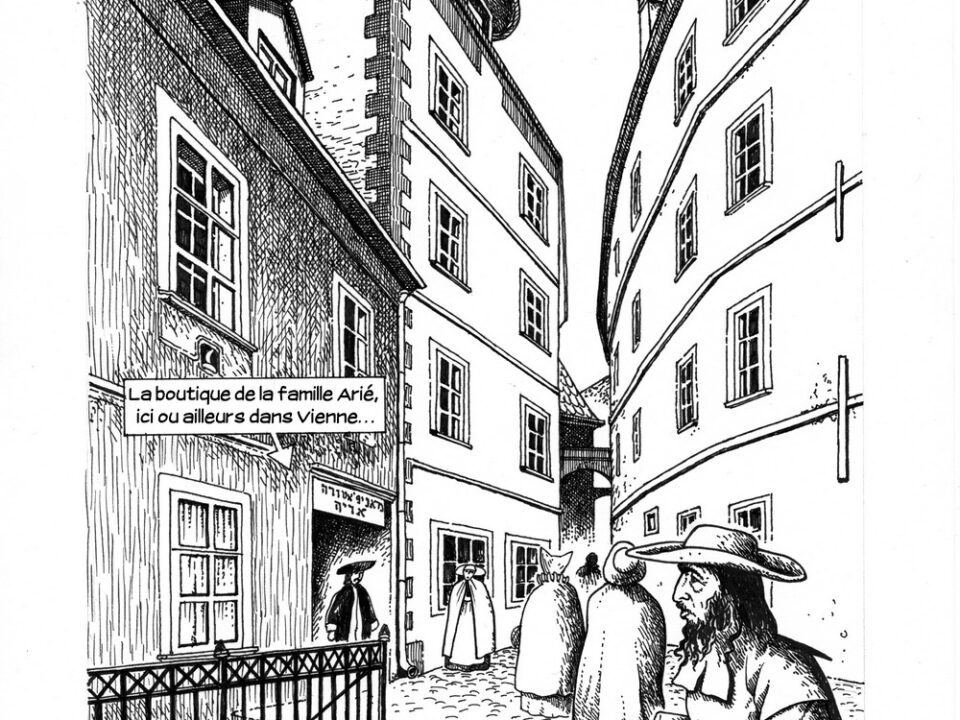
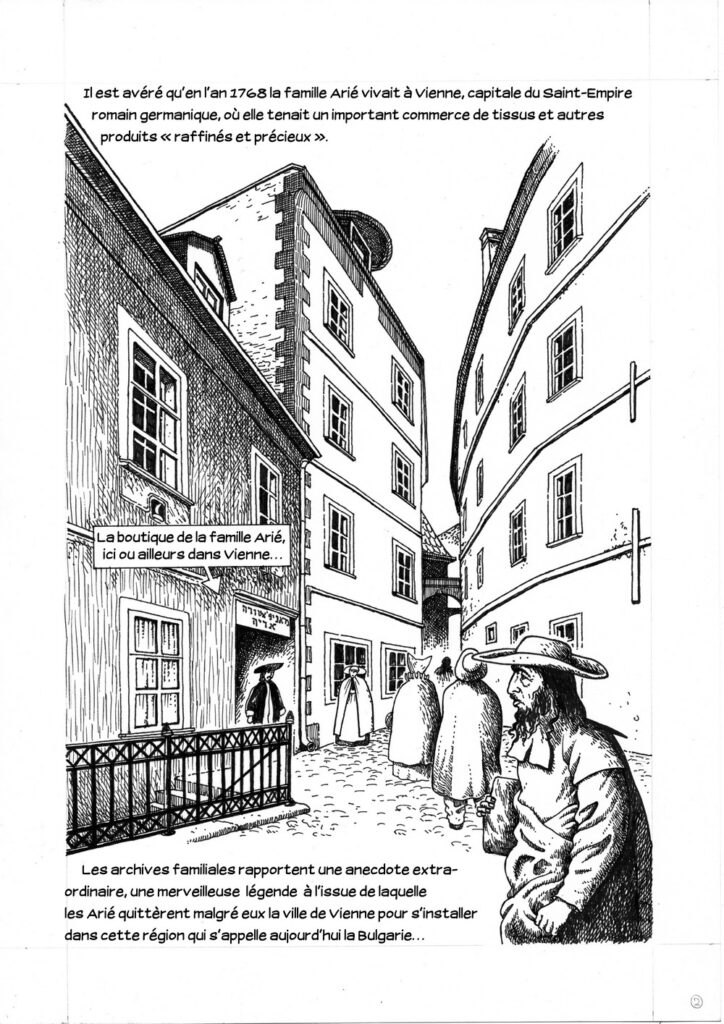
AKI ESTAMOS organise une rencontre le dimanche 2 novembre à 15h au Centre Medem-Arbeter Ring autour du roman graphique Mazal Bueno ou l'histoire d'un chapeau d'Alain Korkos qui sera publié en octobre en supplément de la revue Kaminando i Avlando.
Retraçant les pérégrinations sur plus d’un siècle d’une branche de la famille Arié de Samokoff en Bulgarie en prenant comme conducteur le trajet d’un chapeau.
« C’est l’histoire d’un chapeau, un chapeau melon tout rond fabriqué à Prague et acheté à Sofia, porté ensuite à Smyrne puis emprunté pour un mariage à Sofia de nouveau ; il passa ensuite par Burgos, Paris, Sofia encore, Niš, Barcelone, Lisbonne, effectua un retour à Paris puis se retrouva à Montrouge avant d’atterrir – au moins temporairement – au fin fond de la Bretagne.

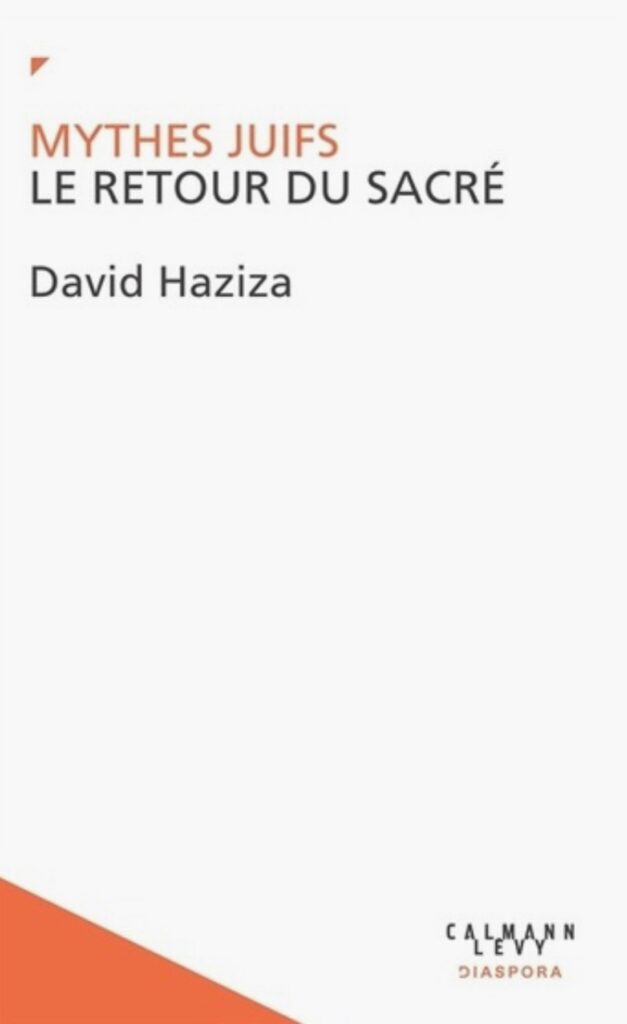
On ignore trop souvent que le judaïsme offre une vision mythique du monde. Dans cet essai, David Haziza offre un voyage à travers les textes, l’espace et le temps, où se côtoient prophètes et sages du Talmud, kabbalistes et maîtres du hassidisme, Kafka, Proust sans oublier les grands auteurs yiddish, d’Isaac Bashevis Singer à Haïm Grade »
Et à côté de ces grands, les Juifs ordinaires dont la vie, les rites et la mémoire n’ont jamais cessé d’être structurés par le mythe, ses beautés et ses dangers.
Macha Fogel, journaliste et directrice de la Maison de la culture yiddish, recevra David Haziza, écrivain, éditorialiste et chercheur (université de Columbia).
Tarif : 12 €. Adhérents : 7€.
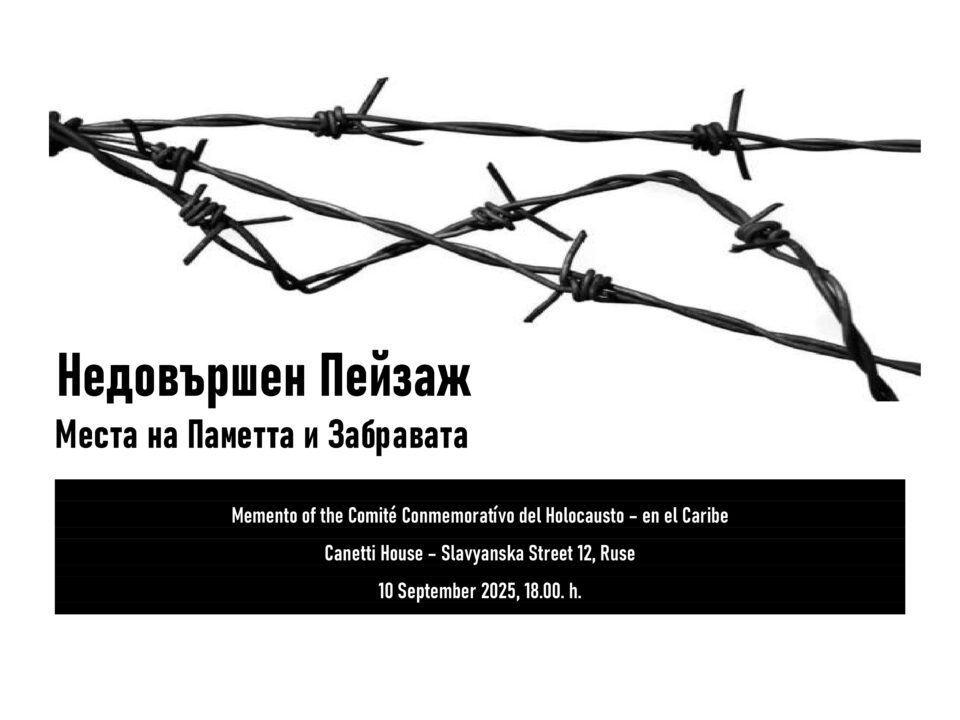
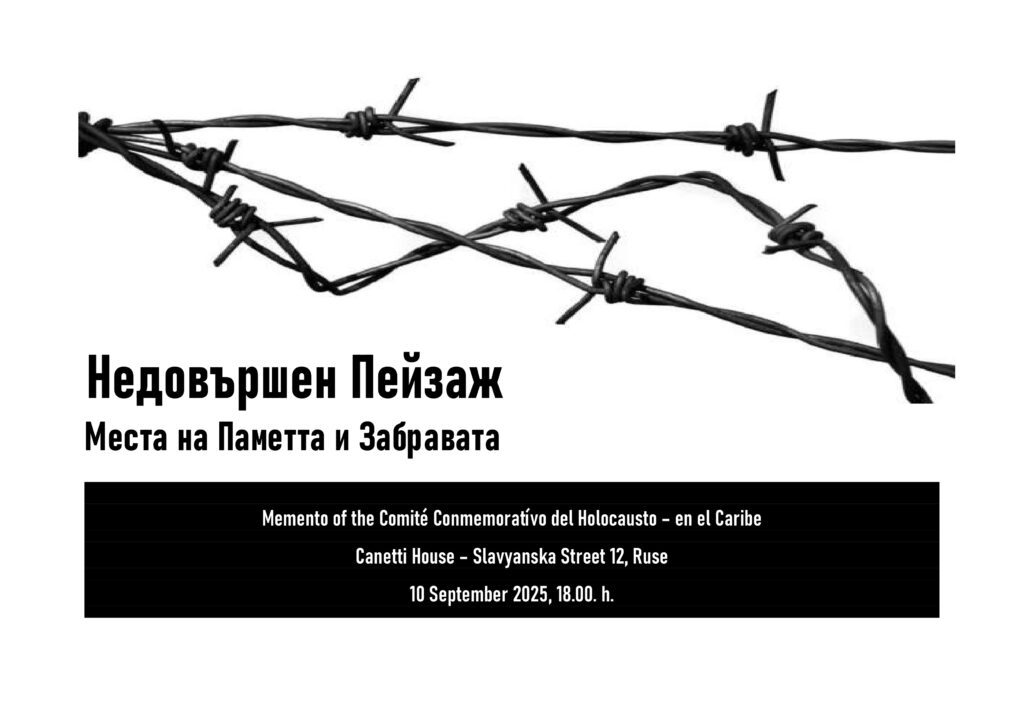
The incorporation of Holocaust memory into the historical-cultural and commemorative canon, and the recurring demand for related exhibitions, continuously challenges museums and cultural centers to engage further. The project “Unfinished Landscape – Places of Remembrance and Forgetting” of the Comité Conmemoratívo del Holocausto – en el Caribe in the collaboration with Canetti House – Ruse presents the memory of the Holocaust through three works: one poem by Dan Pagis and two photographs. In doing so, it creates the illusion of a return to the past, transforming distant and alienated objects into something both personal and cathartic: it initiates the visitor, making them a quasi-witness, while also articulating a new exhibition concept as a practice of combating antisemitism.
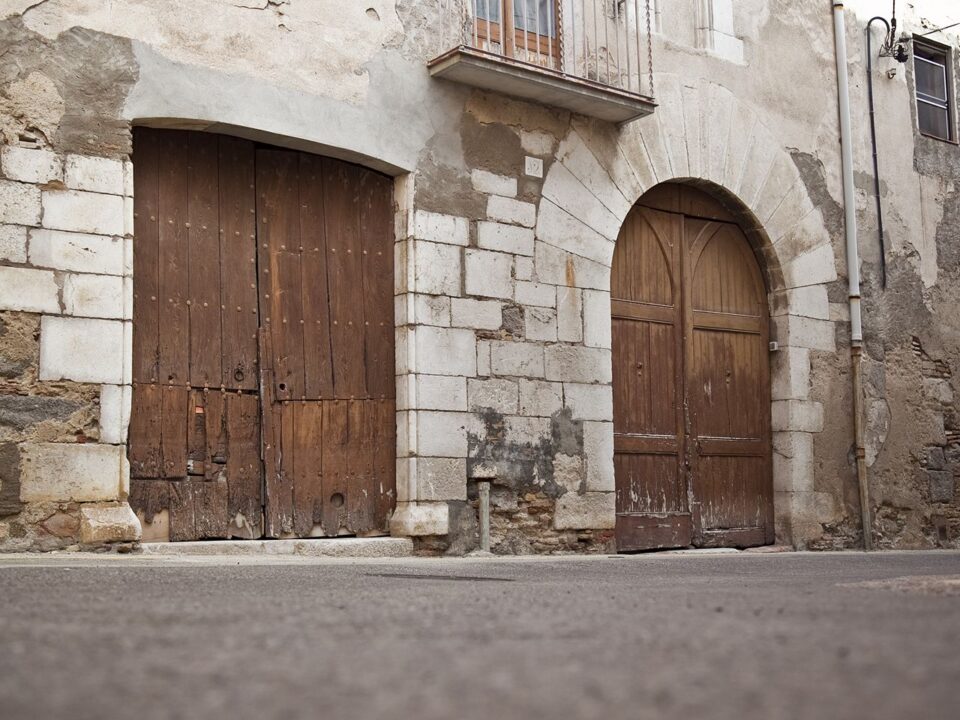
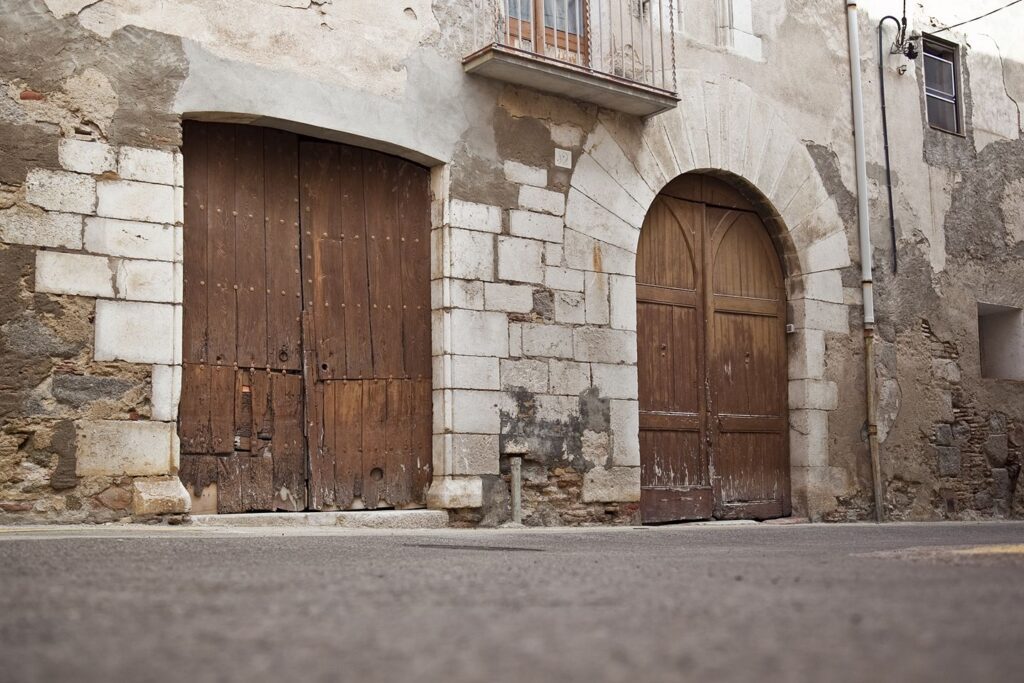
La historiadora local, Ariadna Comas Leira, ens oferirà una conferència per presentar els resultats del seu treball d'investigació entorn la Sinagoga del Puig del Mercadal de Castelló d'Empúries. Serà el dissabte 6 de setembre, a les 19.30 h, a la Capella del Convent de Santa Clara.
Activitat gratuïta.
No cal reserva prèvia.
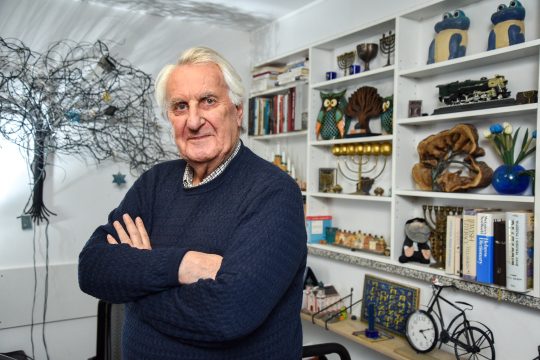
The Man Who Is Not There, a literary event with Branko Šömen. The event will be hosted by Benjamin Langner.
Writer, screenwriter, publicist and poet Branko Šömen has collected six short stories in a new book and titled them after his award-winning ballad The Man Who Is Not There, which was sung by Majda Sepe during the golden age of Slovenian pop music. The opening short story is dedicated to a recently deceased friend, and the other short stories are also marked by mortality. They are set in different places and times: in Jerusalem, the distant heroic history of the Knights Templar, the time of Mozart and post-war Slovenian history. The book was published by the publishing house Mladinska knjiga Založba.
Judaism in Ptuj, lecture by Mihael Toš
At the forth lecture by Mihael Toš, author of the Kein Kampf project, visitors will be able to learn more about the history of Judaism in Ptuj through the centuries, with special attention being paid to the former Jewish synagogue and its fate.
Judaism in Ptuj, lecture by Mihael Toš
At the third lecture by Mihael Toš, author of the Kein Kampf project, visitors will be able to learn more about the history of Judaism in Ptuj through the centuries, with special attention being paid to the former Jewish synagogue and its fate.