
Vorträge und Podiumsdiskussion zur Geschichte der Sanierung und Dokumentation des Jüdischen Friedhofs im 150. Bestandsjahr: Die Ergebnisse des Zusammenwirkens von IKG, Bundesdenkmalamt, Nationalfonds, Förderern, Wissenschaftlern, Stadtgemeinde, RestauratorInnen und Zivilgesellschaft.
Teilnahme kostenlos.
Eine Anmeldung bis 5. September 2024 erforderlich: office@juedischerfriedhof.at oder auf www.forschungsgesellschaft.at/edjc

Vorträge und Podiumsdiskussion zur Geschichte der Sanierung und Dokumentation des Jüdischen Friedhofs im 150. Bestandsjahr: Die Ergebnisse des Zusammenwirkens von IKG, Bundesdenkmalamt, Nationalfonds, Förderern, Wissenschaftlern, Stadtgemeinde, RestauratorInnen und Zivilgesellschaft.
Teilnahme kostenlos.
Eine Anmeldung bis 5. September 2024 erforderlich: office@juedischerfriedhof.at oder auf www.forschungsgesellschaft.at/edjc

Verdächtig. Familienerbe sucht Eigentümer. Über den ersten Band einer hebräischen Bibel aus Basel (1618), der in einer jüdischen Familie in Endingen in Gebrauch war, bevor er auf ungeklärten Wegen in den 1940er Jahren in die Niederlande gelangte. Gespräch zwischen Christina Meri und Dr. Daniel Teichman zu Familienforschung und unverhofftem historischen Quellenmaterial.

The family of Branko Polić, a well-known music critic on Croatian radio, is a good example for researching the history of Jewish families in Croatia.
His books are one of the rare sources that give us a broad picture of the family relations of a Jewish family from Croatia.
Lecturer: Ljiljana Dobrovšak

Julius Robert Oppenheimer is often called the "father of the atomic bomb" for his role in overseeing the development of the first nuclear weapons. Found out more about his private and professional life.
Lecturer: Darko Fischer

Already during the time of King Casimir, Jews in Kraków played an important role in the regional economy. From the end of the 13th century, they were granted freedom of worship, construction of synagogues, freedom of trade, movement, travel and immigration. This contributed to the gradual increase of the Jewish community. Jews settled coming from nearer or more distant regions and countries to the east or west of Poland. Jews lived undisturbed with their Christian neighbors under the patronage of King Casimir. He understood that only the peaceful coexistence of different religions and peoples in the Kingdom can bring prosperity in all senses. What happened since then? Answers can be found in this lecture by Anđelko Srđak.

These two human and female stories summarize a multitude of theological and social burning topics. They talk about violence, patriarchy and power, creativity and survival in difficult living conditions, about the price of faith and following, about anti-Semitism, but also about why these two women are a permanent link between Judaism and Christianity.
The event will take place in the library of Evangelical Theological Seminary.
Lecturer: Julijana Tešija

Lecture/exhibition about Jewish cemeteries in Slavonia and Baranja.
Cemeteries are treasuries of preserving cultural treasures, identity and evidence of the presence of a community in a certain area, so their documentation and subsequent study is extremely important for both minority and majority ethnic groups with the aim of getting to know local, regional, and national, history.
Cemeteries are guardians of a language and a culture, they preserve our names and symbols of religious and secular existence, as well as the names of the gods we pray to. They are symbols of human existence that, even with a certain time lag, provide a lot of information about the community that sets them up. Minority communities erode over time, they are left without generations that could take care of the burial places of their ancestors, and for this reason it is extremely important to document and analyze the places that preserve the culture of the peoples who have been present in these areas for centuries.

Anti-Semitism in its broadest form can be seen as racism. In addition to Christian, there was pagan, Muslim, Marxist and Nazi anti-Semitism. The basis of hostility towards the Jews is found in religious motives, to which socio-economic ones were later added.
Let's get to know the examples from the past – the good ones and the bad ones and let's turn to a better future in which tolerance and respect for diversity will be in the first place.
The event will take place in the library of Evangelical Theological Seminary.
Lecturer: Grgo Grbešić
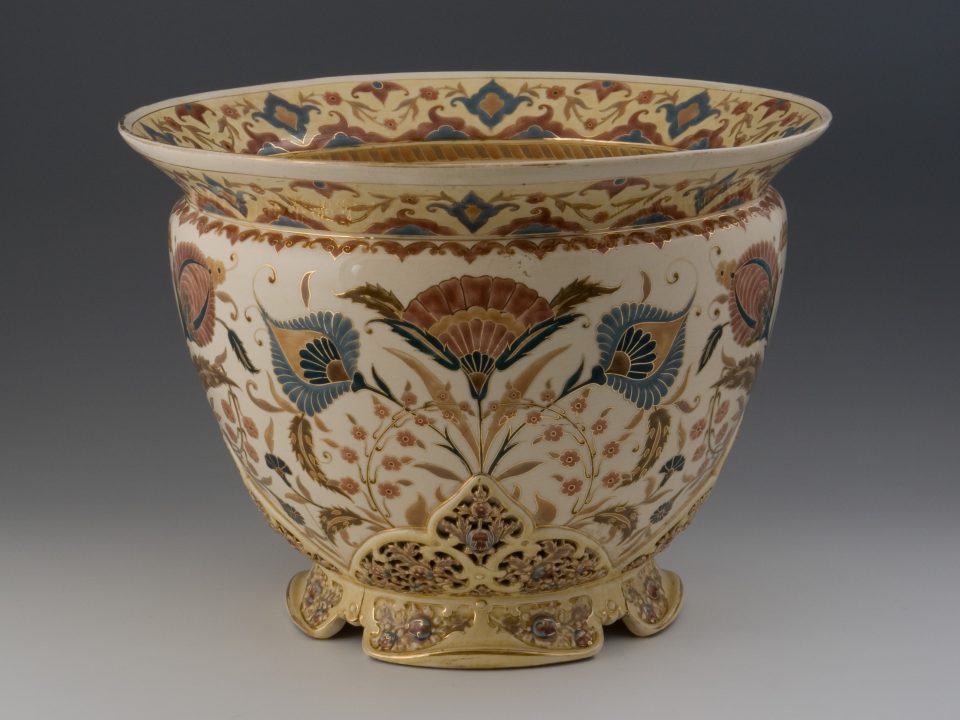


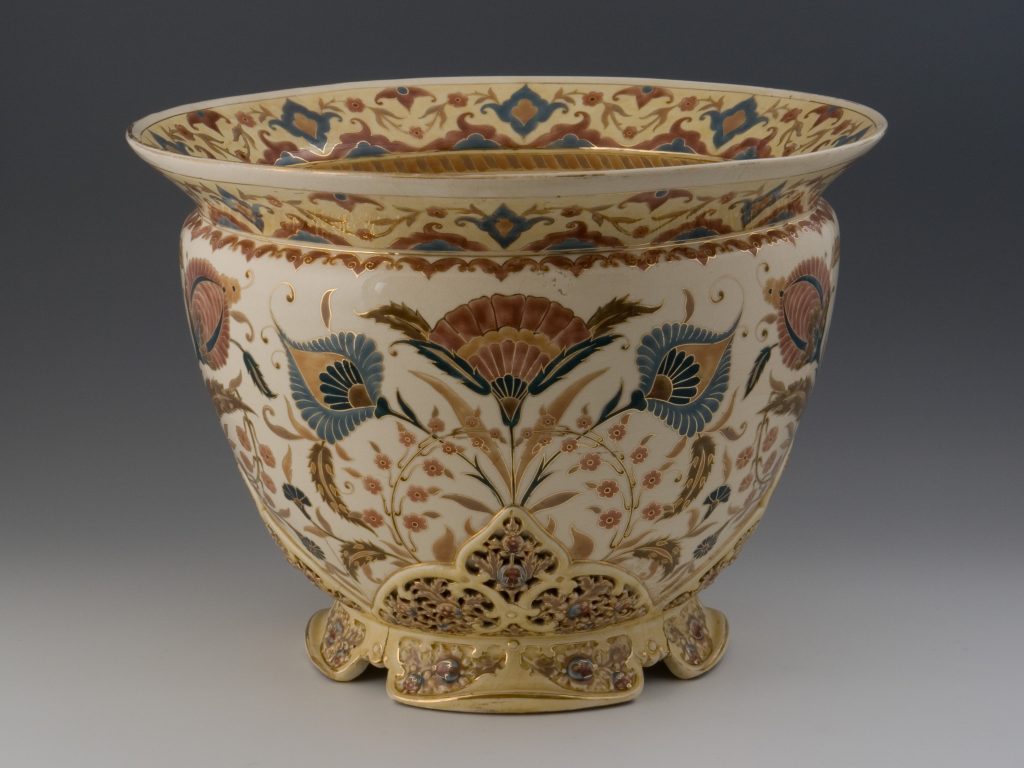
Through the story of everyday objects that decorate the space of the home, we get to know several Osijek Jewish families. Seemingly ordinary museum material from the Ceramics Collection, like porcelain dishes, vases, cups and plates, majolica jardinières, opens interesting topics about housing culture, decorating the family home and the spirit of collecting.
Analyzing ceramics like any other material testimony, we find informations on where the objects come from, who made them, ordered them or used them. That’s how we connect with the previous owners, we listen to all the happy and sad moments they went through.
Ceramic objects, like silent walls, tell us about the awareness of preserving cultural heritage collected in the family environment for generations. This history in fragments comes from the museum fund preserved from the time of the Second World War.