
Una actividad creativa para todas las edades
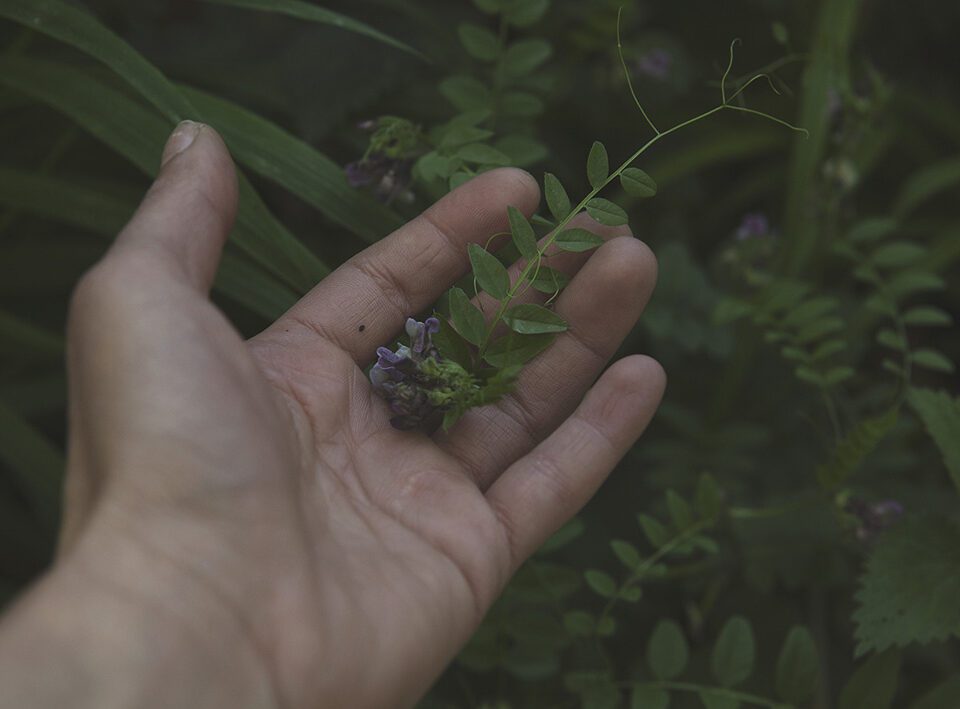
Este taller, abierto a todas las edades, explorará la relación entre la vida y la muerte a través del dibujo, con el objetivo de conectar las plantas que habitan en el abandonado cementerio judío medieval de Montjuïc con el recuerdo de las miles de personas que allí están enterradas.
La primera parte del taller consistirá en realizar un reconocimiento de la flora. Una vez identificadas las plantas, los participantes aprenderán tanto los usos (medicinales, alimentarios, cosméticos, espirituales, artísticos…) de algunas de ellas como la relación que puedan tener con la cultura judía y medieval. Finalmente, cada participante elaborará un dibujo de una o más plantas observadas. De esta manera se dará una identidad y un retrato a las diferentes especies que cohabitan dentro del recinto del cementerio.
En la segunda parte de la actividad nos adentraremos en los pocos fragmentos de información que tenemos sobre las personas enterradas bajo nuestros pies, haciendo converger la memoria histórica y la inspiración botánica en los dibujos.
El resultado final será una colección de dibujos de plantas que cuidan de la memoria: una mezcla de las vidas interiores y exteriores de las personas y de las plantas que habitan el cementerio judío medieval de Montjuïc, explorando el paso del tiempo y la transmisión de una energía intangible del lugar.
Puedes traer tus propios materiales de dibujo (si no los tienes, se proporcionarán).
Ubicación: Frente al monumento a la Sardana – Parc Joan Brossa – Antiguo cementerio judío medieval de Montjuïc
Esta actividad requiere inscripción
https://inscripcions.barcelona.cat/viu_montjuic_25_seremplantes-es/
Una actividad creativa para todas las edades
Este taller, abierto a todas las edades, explorará la relación entre la vida y la muerte a través del dibujo, con el objetivo de conectar las plantas que habitan en el abandonado cementerio judío medieval de Montjuïc con el recuerdo de las miles de personas que allí están enterradas.
La primera parte del taller consistirá en realizar un reconocimiento de la flora. Una vez identificadas las plantas, los participantes aprenderán tanto los usos (medicinales, alimentarios, cosméticos, espirituales, artísticos…) de algunas de ellas como la relación que puedan tener con la cultura judía y medieval. Finalmente, cada participante elaborará un dibujo de una o más plantas observadas. De esta manera se dará una identidad y un retrato a las diferentes especies que cohabitan dentro del recinto del cementerio.
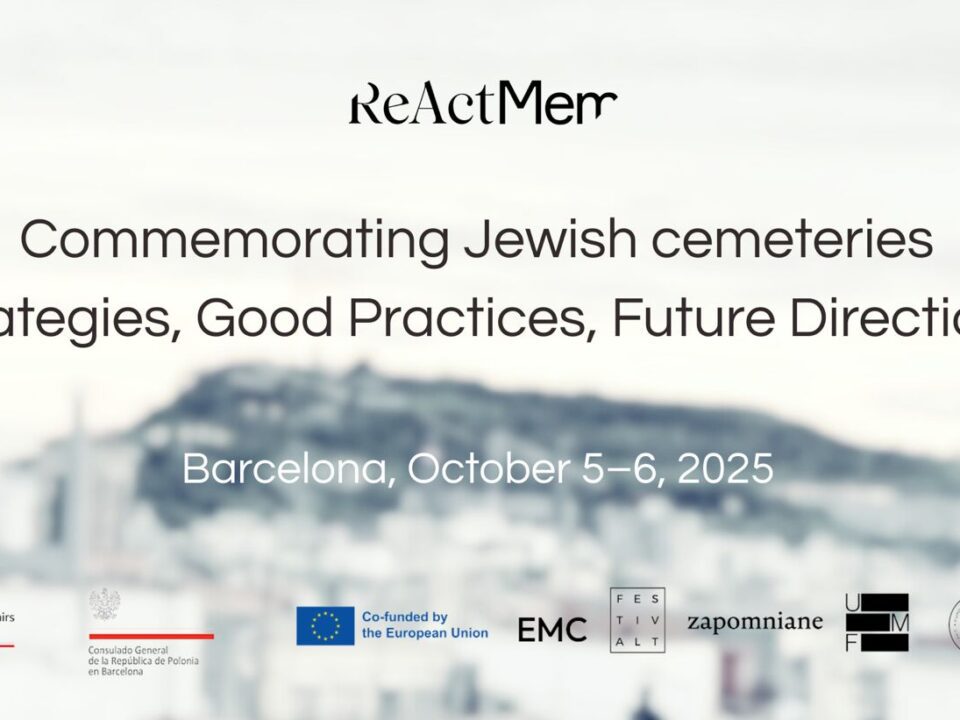
The Institute for Jewish Studies (EJB), in collaboration with the ReActMem European Project, is inviting you to the International Conference
Jewish Heritage Policy Design – Commemorating Jewish cemeteries: strategies, best practices, future directions
organized by the Engaged Memory Consortium partners from Poland and Spain (organizations specialized in the preservation and commemoration of Jewish cemeteries) in cooperation with the Consulate General of the Republic of Poland in Barcelona and the Ministry of Foreign Affairs of Poland.
The event is part of the “Rescue Memory – Activism, Art and Public Memory (ReActMem)” project.
Registration and program information through this link
https://www.cognitoforms.com/EJB1/CommemoratingJewishCemeteries
Dates:
5 Oct. 11:30 to 18
6 Oct. 10 to 19
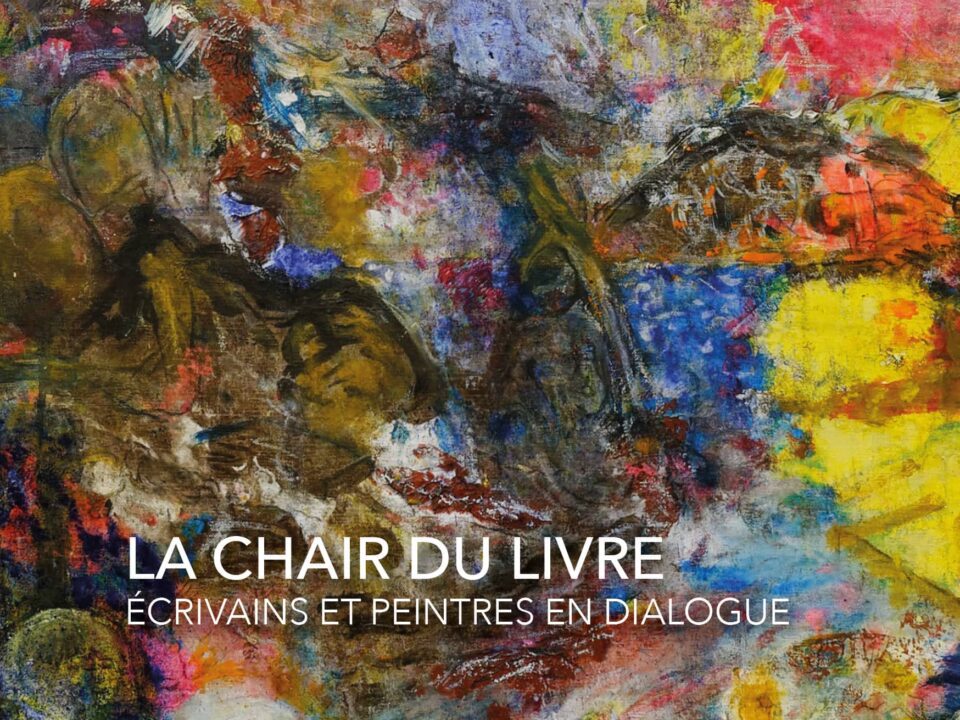
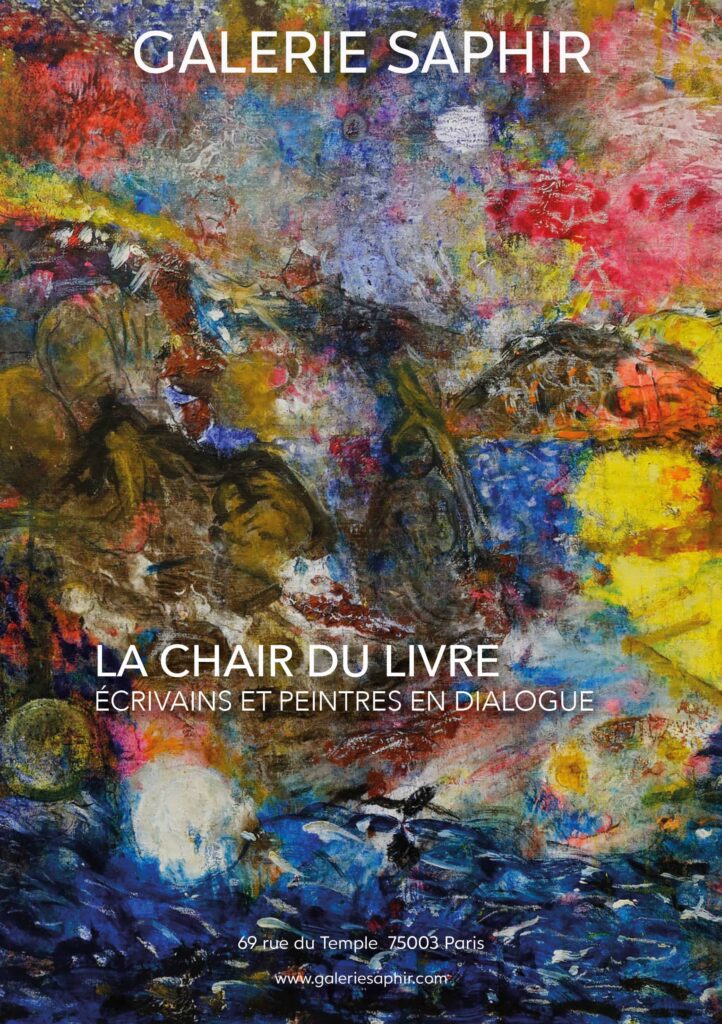
« La littérature, c’est de la peinture vivante » disait Emile Bernard. Cette grande aventure picturale, cette quête essentielle se nourrit aussi de la matière même du livre, transcendée par la main de l’artiste, un reflet du divin. Le texte et la toile, en constante émulation, fondent l’expérience unique de la création. Le livre, tout comme le tableau, n’est pas un objet abstrait ou forme idéale mais enveloppe charnelle, matérielle, sens, écriture de l’esprit et du corps. De telle sorte que la présence de la Lettre surgit, s’incorpore au papier pour, suivant le mot de Paul Klee, rendre visible l’invisible. Rendre visible est l’œuvre de l’écrit, tant profane que sacré. La galerie Saphir présente une exposition unique par les imaginaires et les affinités électives.
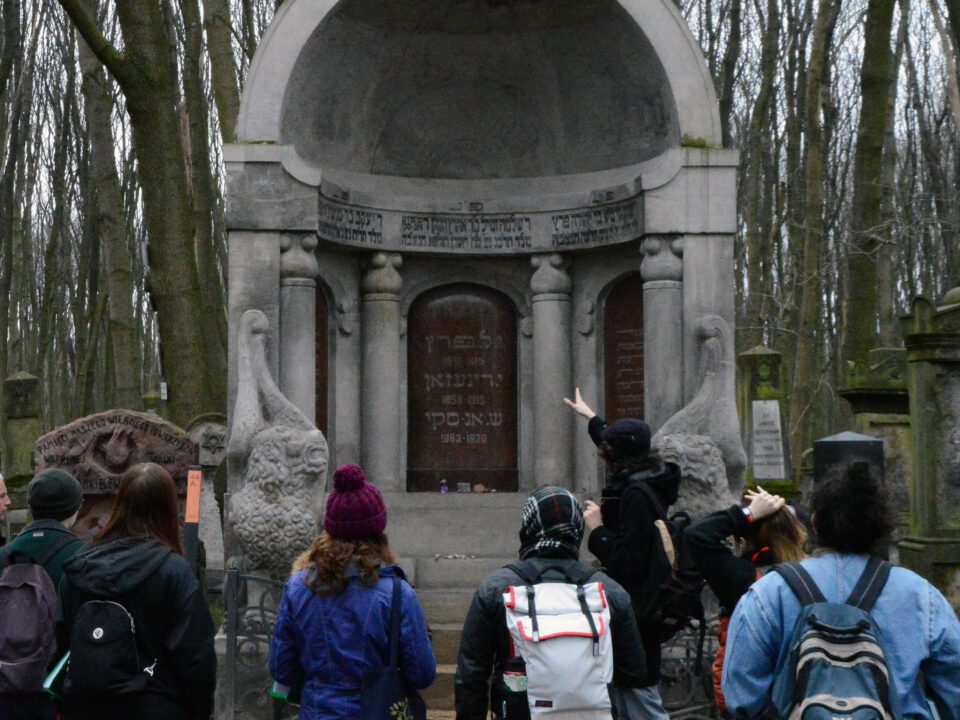
The Taube Center for Jewish Life & Learning invites you to an educational workshop and thematic walk, focusing on significant Polish Jewish literary figures who lived, worked, or were connected to Warsaw. Often, great Polish Jewish writers including Tuwim, Leśmian, and Baczyński are not present in Polish nor Jewish consciousness as major literary figures of Jewish background. Similarly, Jewish authors and poets, such as Dinezon, Peretz, and Singer, are frequently not acknowledged in the Polish history of literature as key personalities linked to Poland and its capital, Warsaw. The event will bridge these perspectives by introducing notable individuals within the context of the city, a common ground where Polish and Jewish masterpieces were penned..
The program will combine two expert-led elements, each 1.5 h long:
Educational Workshop: This will take place at the organizer's headquarters, a location in near proximityl to where the Jewish Writers' Union was based for most of the interwar period.
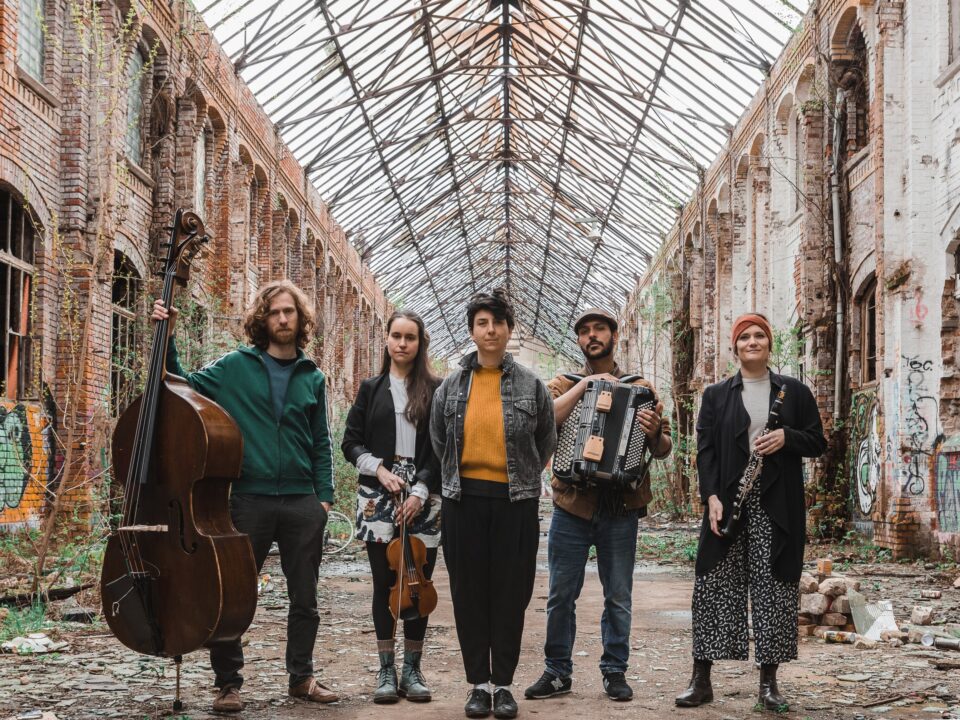
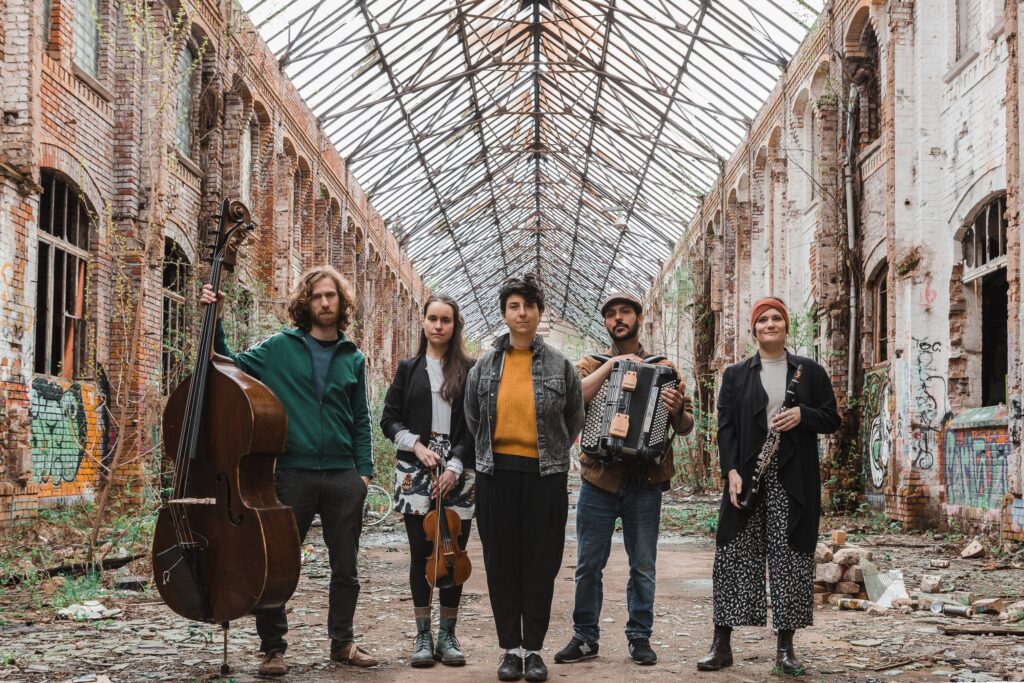
In this two-part concert programme, Herje Mine explores the musical roots of two of its band members and presents Ladino songs, songs in the language of the Sephardim who can be found in many countries around the world. The second part of the concert focuses on Pijjutim – poems intended for liturgical use that Jewish people often encounter: at Shabbat meals, but also on the radio, at school and even in proverbs. The themes of the various poems are sometimes ancient, but still relevant today. Love, happiness, war, forgiveness, the conflict between faith and everyday life, etc. – all of this is reflected in beautiful rhymes and metaphors.
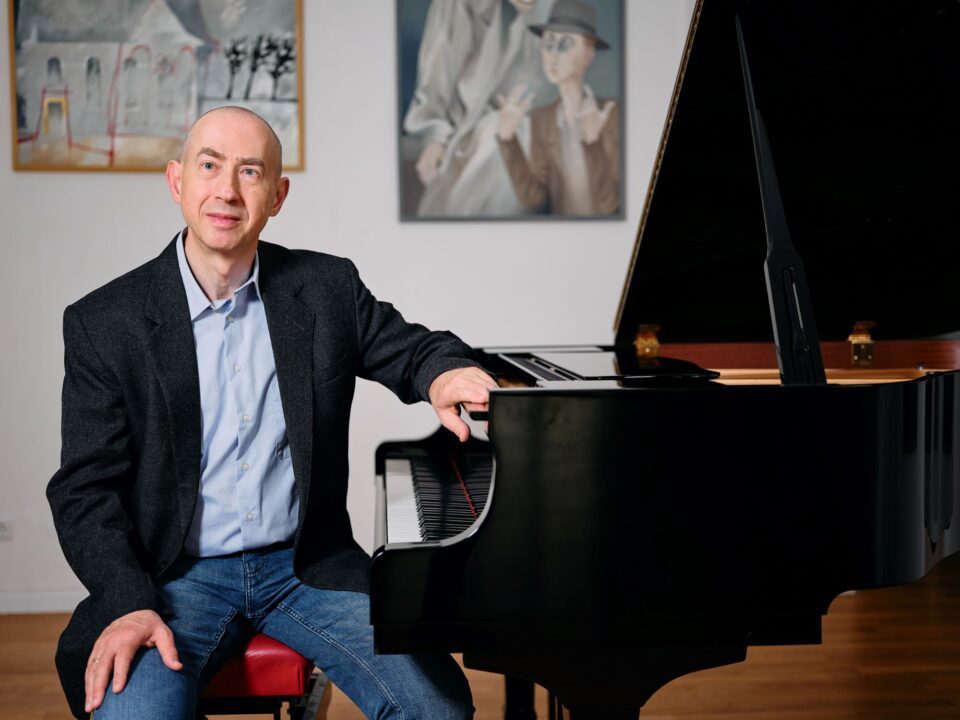
Migration is a central theme in Jewish history. Whether through flight, expulsion or the search for a better life, Jewish existence has always been shaped by migration.
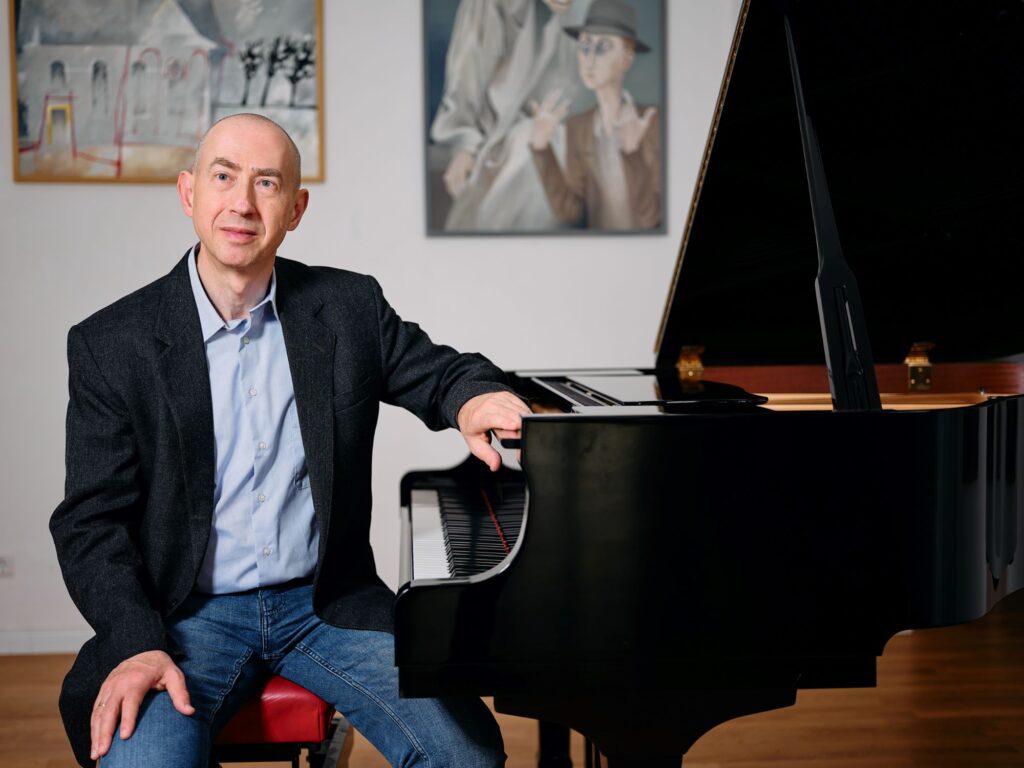
Every migration is ambivalent: it means loss of home, personal suffering and deprivation, but at the same time it opens up new opportunities, possibilities for development and a broadening of one's horizons. Mobility as a prerequisite for cultural exchange also plays an important role in the history of Jewish music.
The Via Regia, the most important west-east connection in Europe, is symbolic of Jewish history and the development of Jewish musical cultures along its route. In addition to cities with significant Jewish communities such as Frankfurt/Oder, Breslau, Krakow and Lemberg, Leipzig in particular – at the intersection of the Via Regia and the Via Imperii – became a central location for Jewish life and Jewish music.
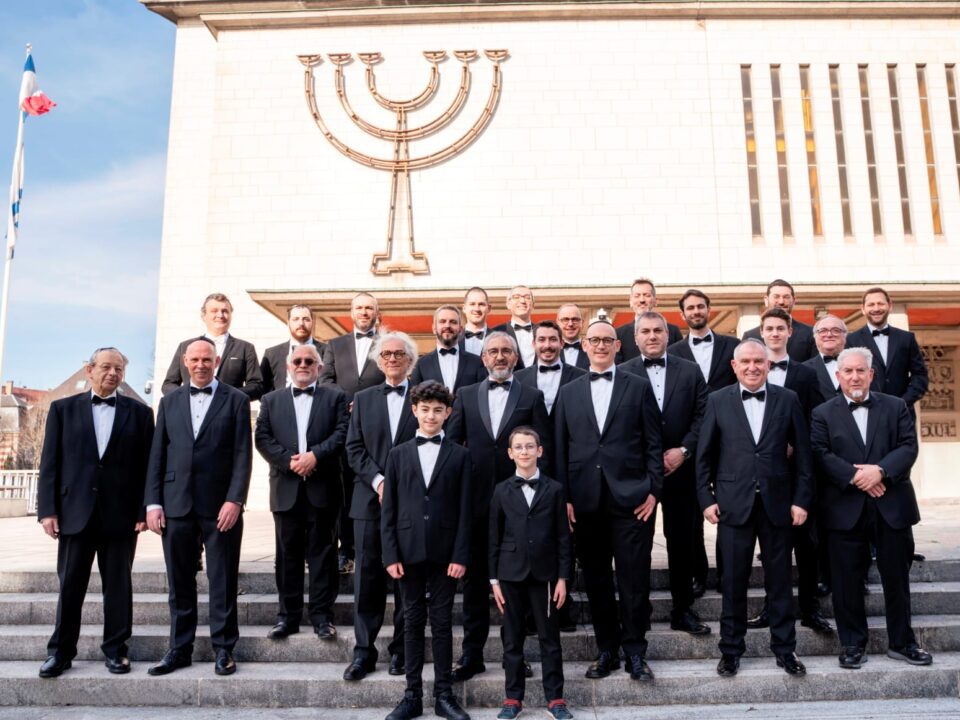
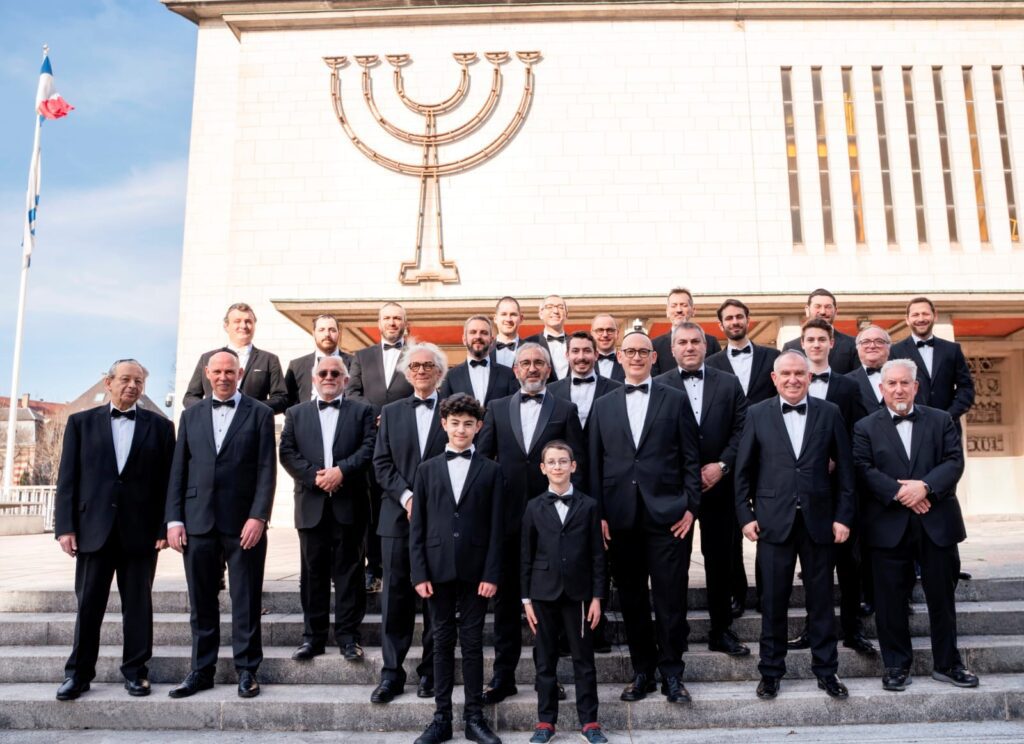
Le Chant Sacré is a male choir founded in 1951 and consisting of around twenty passionate singers – both adults and children. Its repertoire includes 19th-century Ashkenazi Jewish liturgy as well as Ladino melodies, songs from Central Europe and modern, Oriental and Hasidic compositions. The choir is one of the last synagogue choirs in Europe and performs at most of the Sabbath services in the large Synagogue de la Paix in Strasbourg, as well as at celebrations, weddings and ceremonies. The choir thus makes a significant contribution to the preservation of Ashkenazi and Alsatian liturgy.
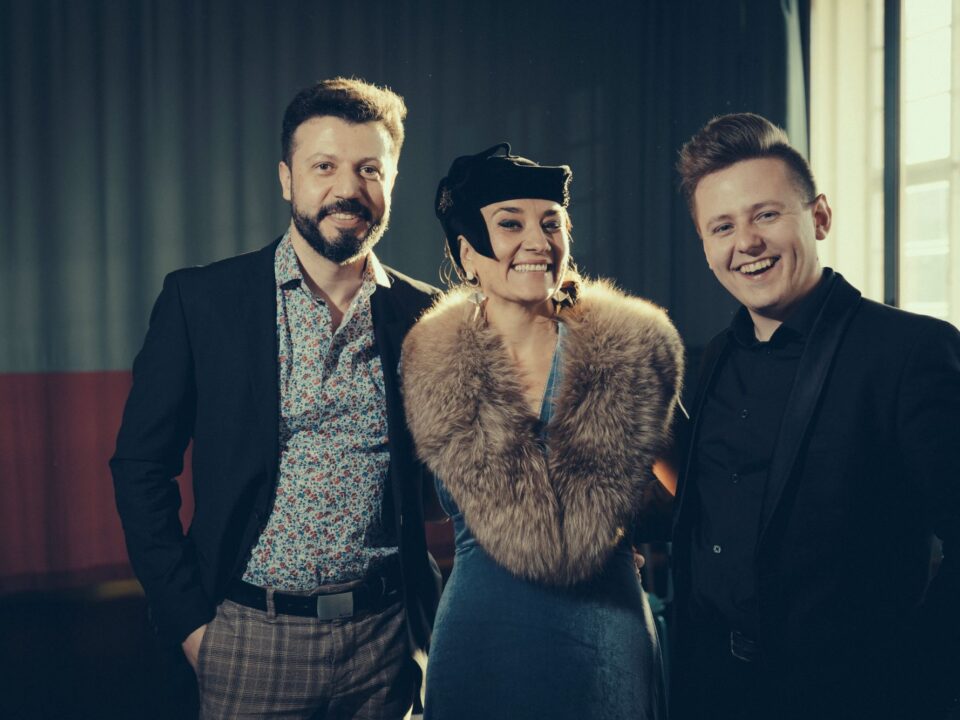
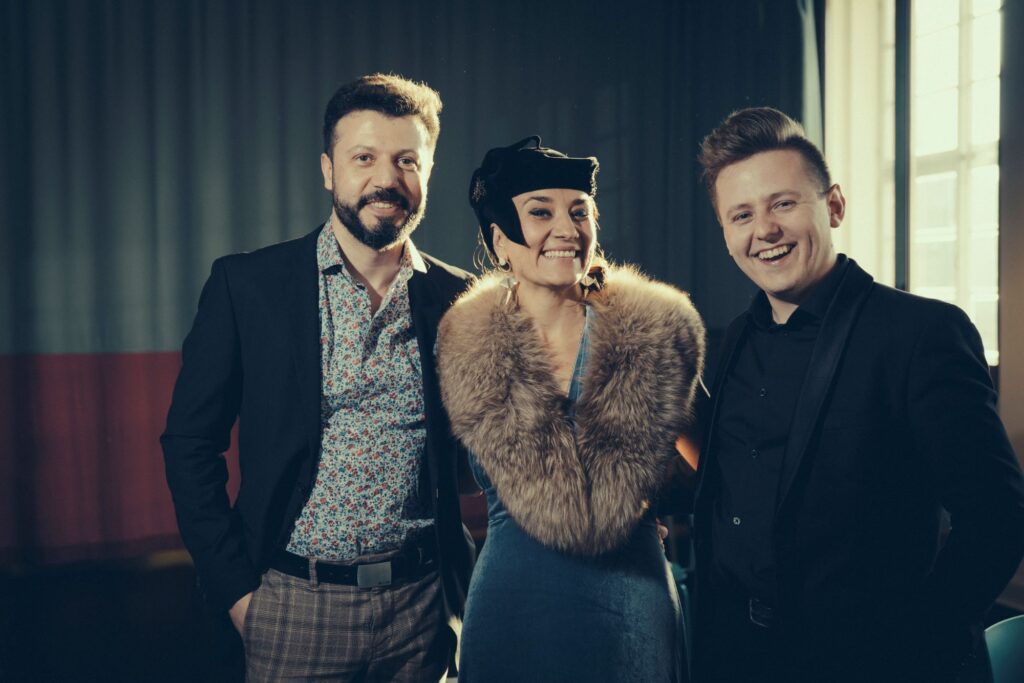
The TATE-MAME project [Yiddish: parents, Polish: mum and dad] is a musical exploration of singer Karolina Trybała's family history, whose ancestors came from Galicia in Eastern Europe. On stage, Karolina presents favourite songs from her ‘LIDER BIKHL’: klezmer classics, old tangos, songs from Jewish theatres in Lviv, Krakow and New York, where many Galician artists emigrated. She interprets well-known and forgotten musical treasures in Yiddish and Polish, but also in German, English and Hebrew.

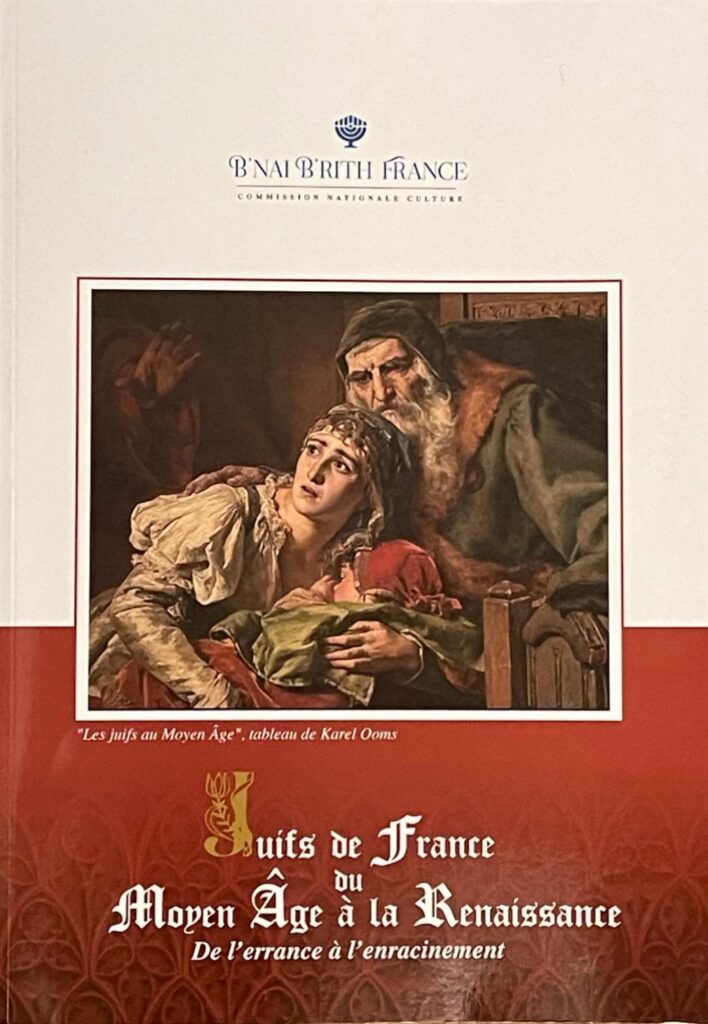
Dans le cadre des Journées Européennes de la Culture Juive, Claire Rubinstein de la Commission nationale Culture du B’NAI B’RITH France vous invite à une réunion Zoom
Jeudi 23 octobre à 19h30
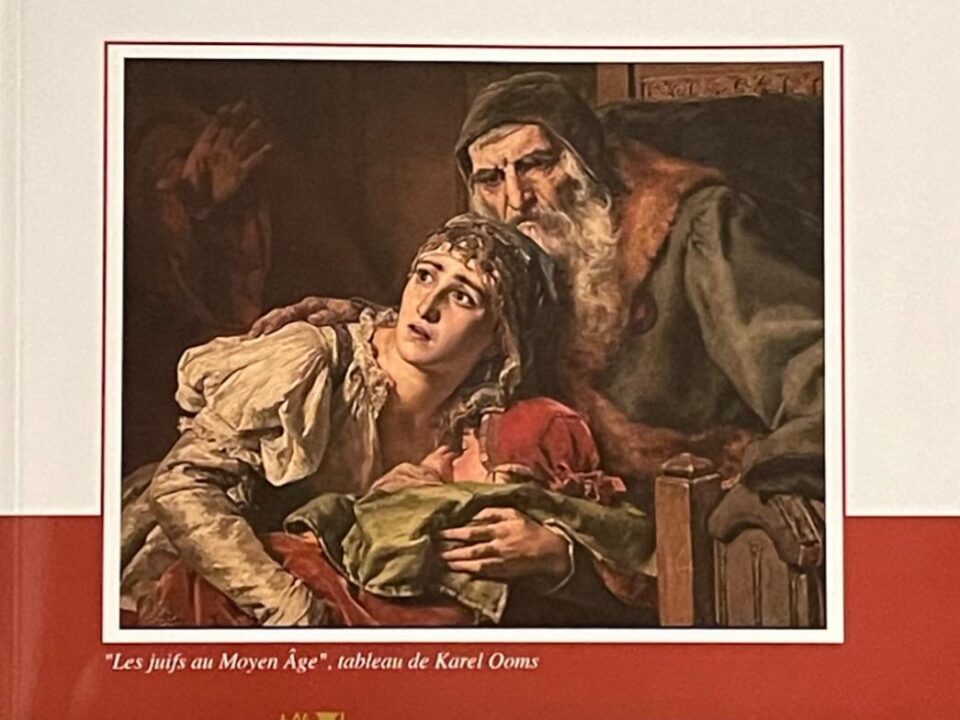
Présentation de l’ouvrage « Juifs de France du Moyen-Âge à la Renaissance de l’errance à l’enracinement »
Participer à la réunion Zoom grâce au lien suivant
https://us06web.zoom.us/j/84190855064
ID de réunion: 841 9085 5064
Code secret: 971515