
Open day on Sunday, September 7, from 10 a.m. to 2 p.m.
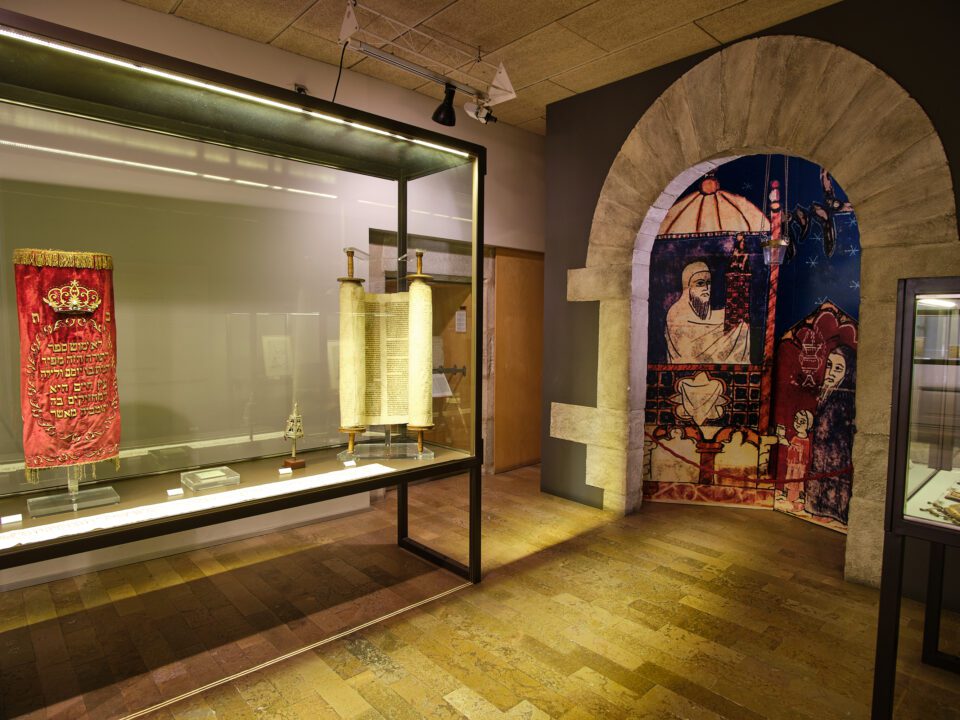
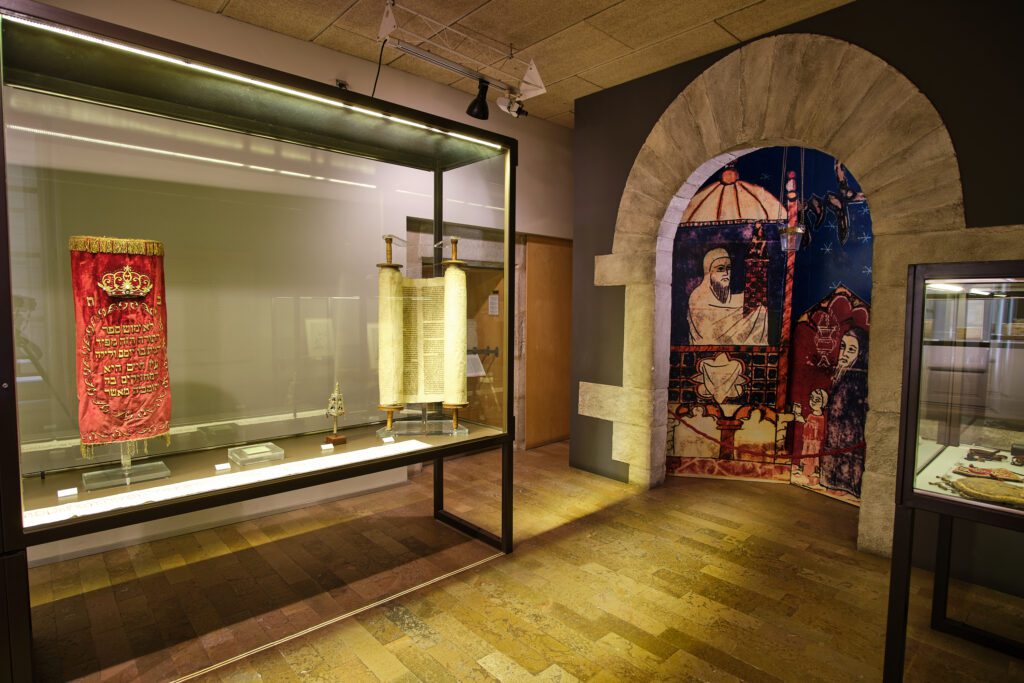
The permanent exhibition of the Museum offers the discovery of the places of the Jewish Quarter, community life, celebrations, traditions and the cultural heritage of the Catalan Jews.
Open day on Sunday, September 7, from 10 a.m. to 2 p.m.
The permanent exhibition of the Museum offers the discovery of the places of the Jewish Quarter, community life, celebrations, traditions and the cultural heritage of the Catalan Jews.
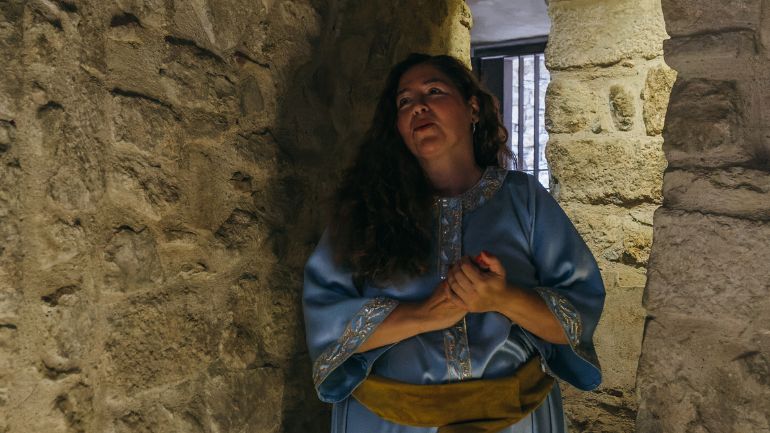
Estel·lina, a Jewish woman who lived in the Jewish Quarter of Girona in the middle of the 15th century, recalls her life and that of her community. We have a tombstone and some documents that tell us about her private life and her family environment.
Free activity in Catalan. Prior registration is required.
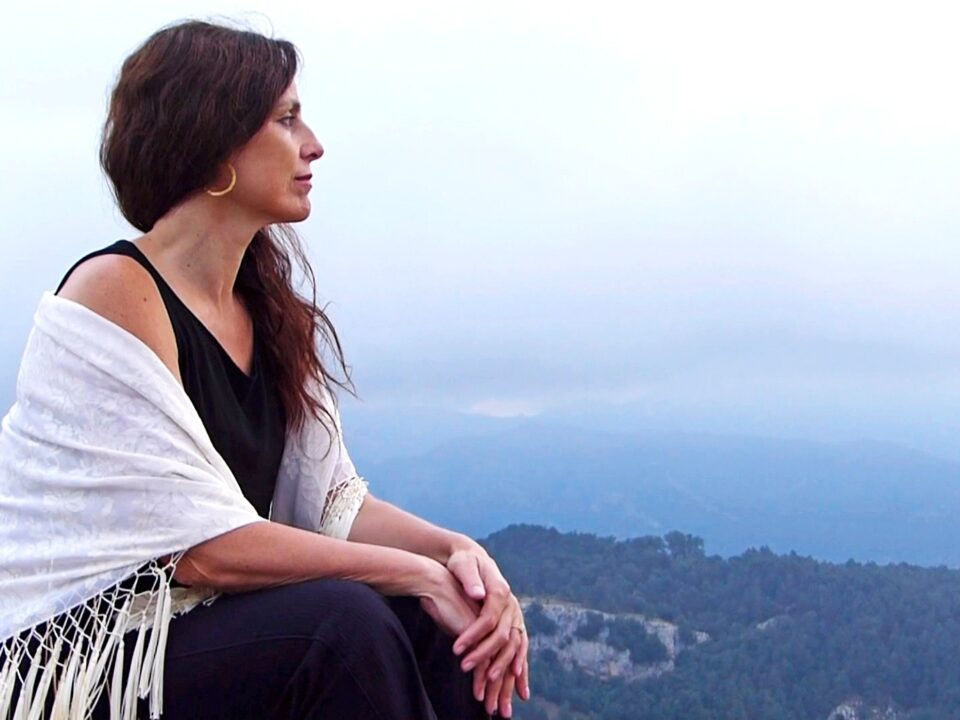
The Sepharazz Trio proposal is formed by musicians Tati Cervià (vocals), Jaume Fulcarà (guitar) and Toni Pujol (double bass), who present a unique project that fuses the roots of Sephardic and traditional music with jazz.
For the show of the "European Days of Jewish Culture" they have selected a repertoire of Jewish and Catalan songs, taken from their recorded works ("Kantikas de la kukuvaya", "Solombra" and "Secreta veu"), all around literary culture and writing, as a defining element of the Jewish People.
Free admission with limited capacity.
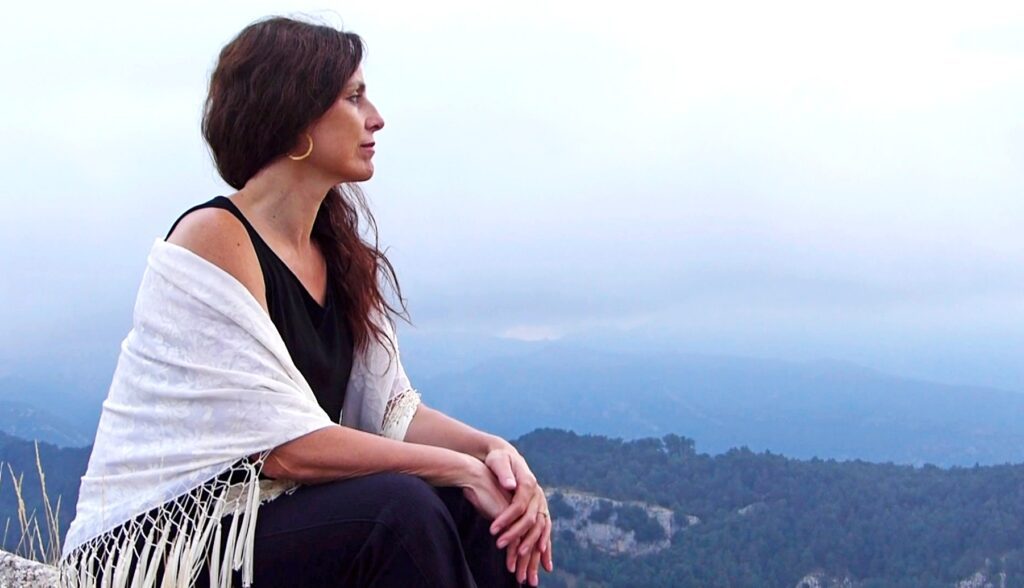
Foto: @Anna Bahi
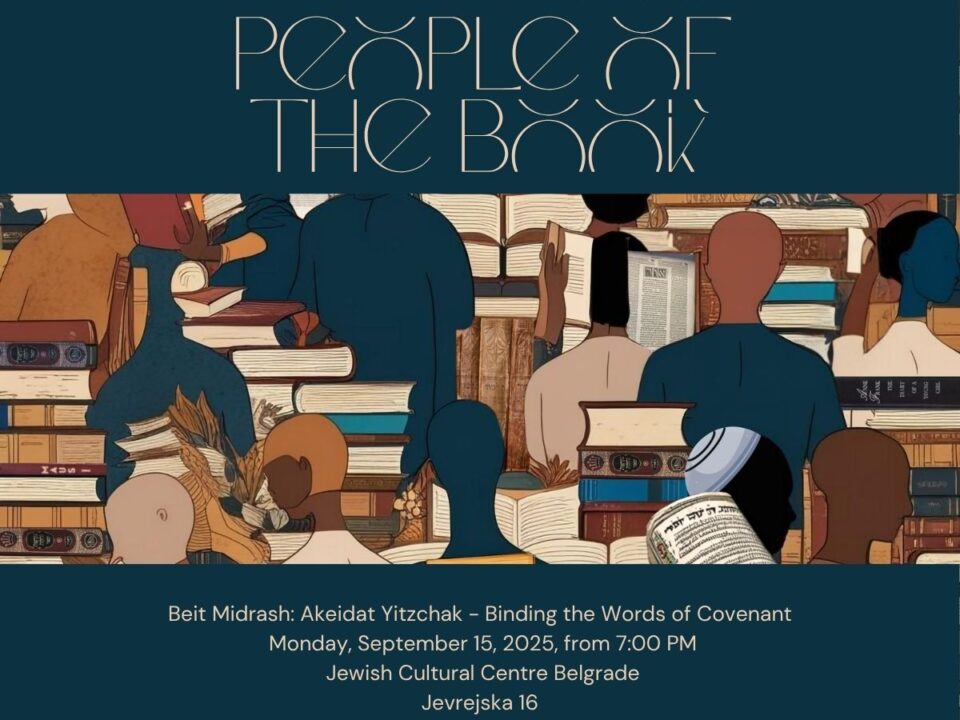
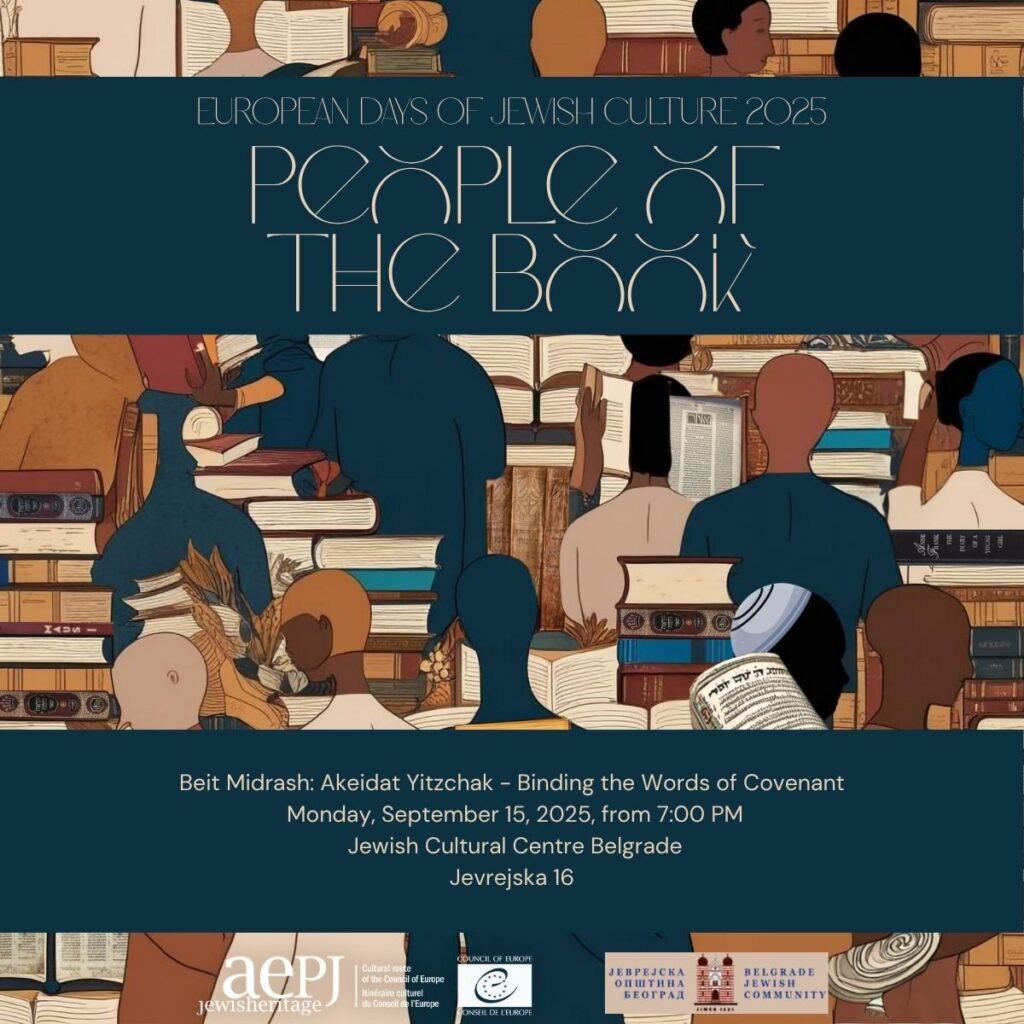
Beit Midrash: Akeidat Yitzchak – Binding the Words of Covenant
Date: 15. September 2025.
Time: 19:00–21:00
As we approach the Jewish holiday of Rosh Hashanah, whose observance includes the reading of Akedat Yitzchak (Bereshit 22:1–19), we invite you to a special Beit Midrash session that connects the profound symbolism of this story with this year's European Days of Jewish Culture theme – "People of the Book".
Through the study of sacred texts, conversations on morality, faith, and obedience, and creative reflection in the spirit of midrash, we will explore together the meaning and relevance of this story in a contemporary context.
This session is intended for all those interested in Jewish learning, interfaith dialogue, and textual interpretation.
The format will include studying texts in pairs and small groups, guided discussion, and written reflection.
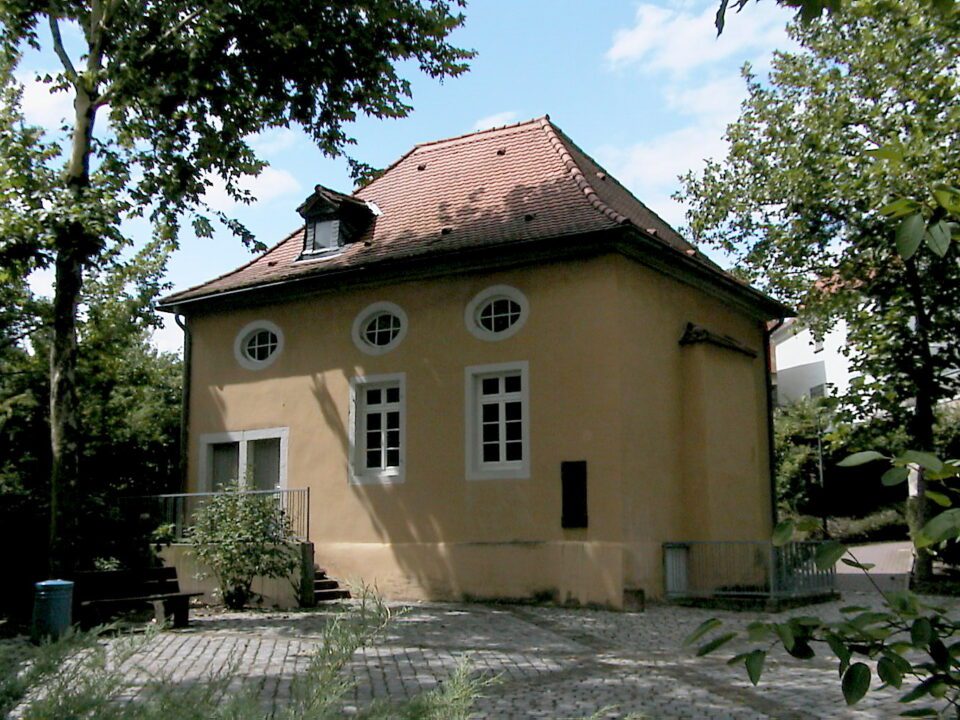
A musical reading presents profound and humorous stories from “The Seven Good Years” by Etgar Keret – the most personal book to date by the Israeli master of the short story.
Musicians from the klezmer band “Cladatje,” narrator R. Levin
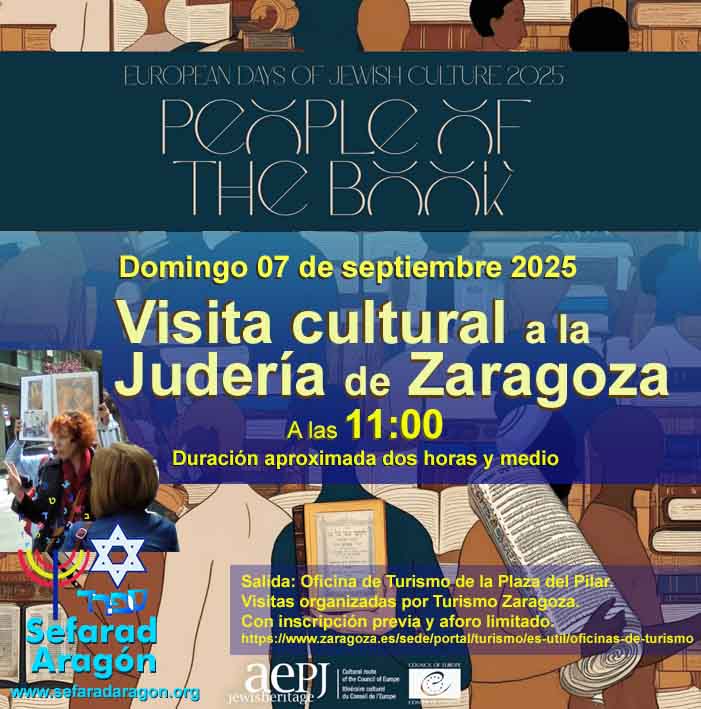
Visita cultural a la Judería de Zaragoza:
Una visita cultural a la judería de Zaragoza que consiste en un recorrido acompañado de anécdotas, relatos, planos, imágenes y objetos judíos, por las calles bajo las cuales estaba ubicada la judería de Zaragoza. Conoceremos algo de la cultura judía, así como su historia y convivencia con los cristianos y musulmanes a lo largo de la historia de la ciudad, hasta la expulsión de los judíos por los Reyes católicos en el siglo XV.
Una visita con el corazón en homenaje a los desconocidos personajes Zaragozanos hasta su expulsión en 1492, que aportaron arte, cultura y economía a nuestra ciudad.
La visita se desarrolla enteramente en exteriores por lo cual no presenta dificultades para personas con movilidad reducida.
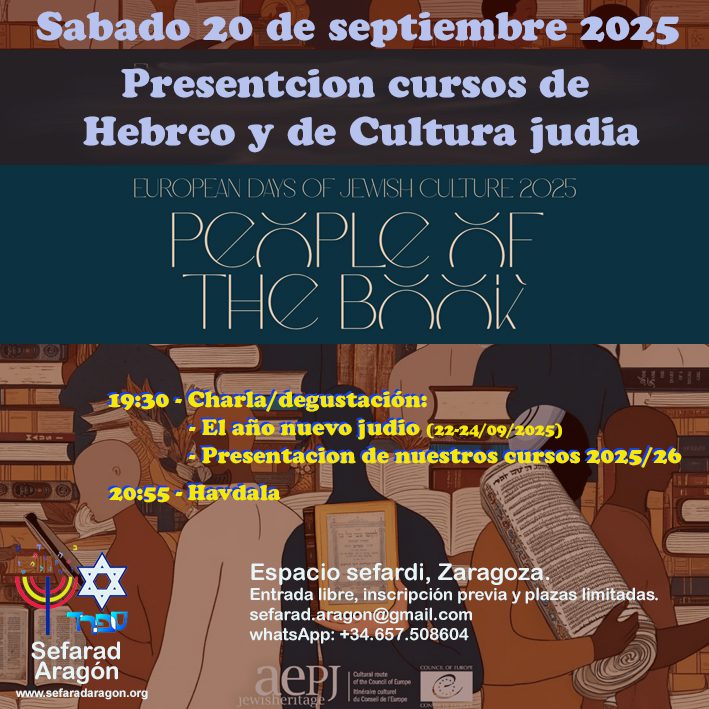
19:30 – Charla recreación: Rosh Hashana 5786 (año nuevo judío)
20:00 – Presentación curso escolar 2025/26 Hebreo y Cultura judía
20:30 – degustación
20:55 – Havdala
Espacio sefardí de Zaragoza
Entrada libre con inscripción previa y plazas limitadas por WhatsApp + 34 657 508604 y email: sefarad.aragon@gmail.com
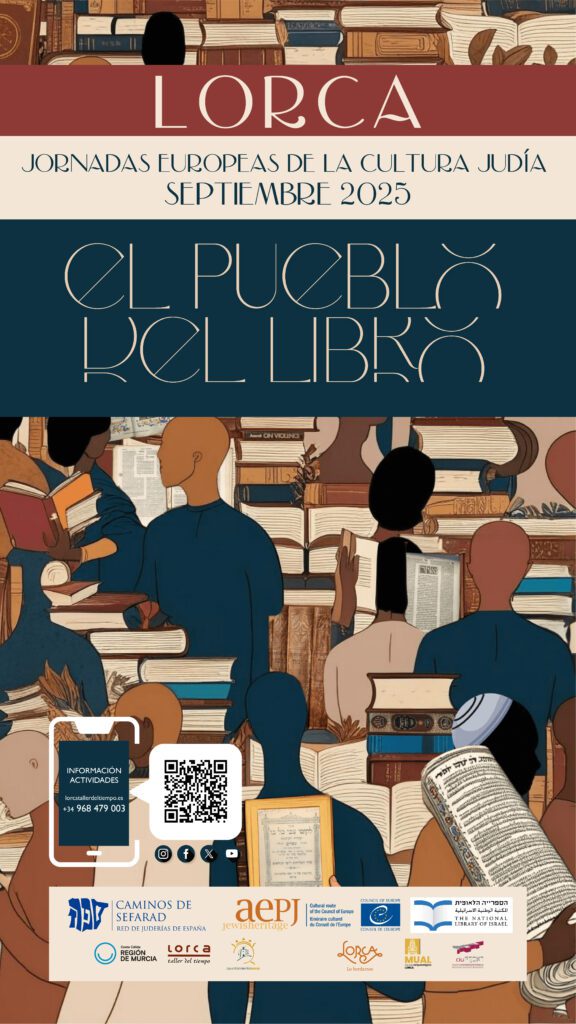
Lorca celebra las Jornadas Europeas de la Cultura Judía 2025 con el lema “People of the Book – EL PUEBLO DEL LIBRO”
El Ayuntamiento de Lorca, a través de la Concejalía de Cultura, se suma un año más a la celebración de las Jornadas Europeas de la Cultura Judía, que en su edición de 2025 llevan por lema “People of the Book – El Pueblo del Libro”. Esta iniciativa internacional tiene como objetivo dar a conocer y poner en valor el patrimonio judío europeo desde una perspectiva cultural, turística y educativa.
Lorca forma parte activa de la Red de Juderías de España “Caminos de Sefarad”, y cuenta con un extraordinario legado patrimonial, entre el que destaca la judería del Castillo y la sinagoga del siglo XV, única en Europa por conservarse sin haber sido transformada.
How do we remember people and their stories? How is memory passed on to future generations? And can digital tools help strengthen this process?
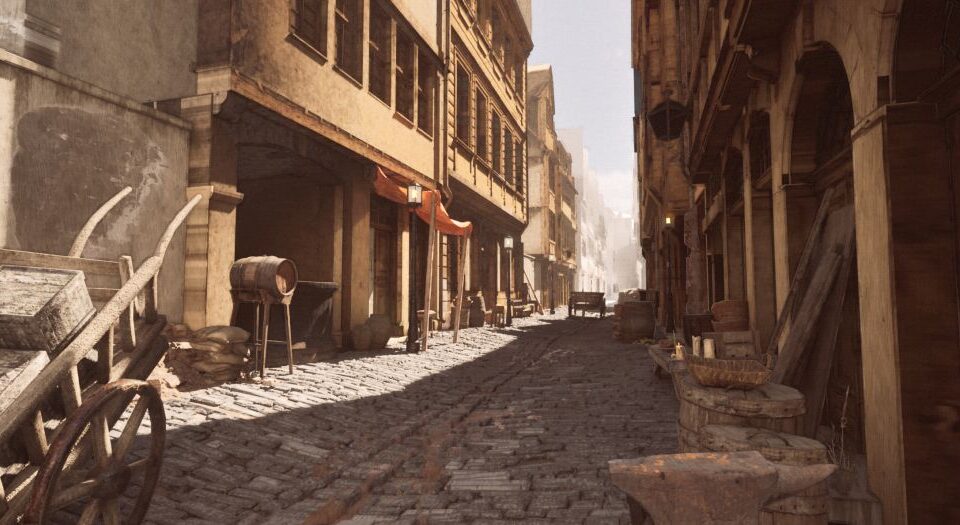
These questions are at the heart of the European Day of Jewish Culture, held in the vaulted cellar of the Goldener Apfel. The program begins with a guided tour by Katja Janitschek, curator of the Museum Judengasse, through the exhibition at the Goldener Apfel.
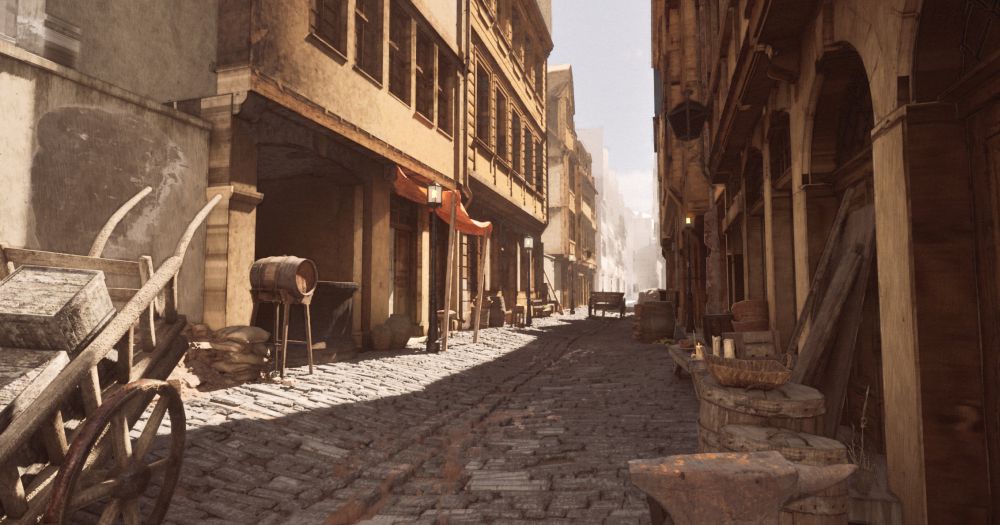
Afterwards, Tanja Neumann, head of the “Immersive Jewish Frankfurt” project, invites you on a journey through time: Get a first glimpse of the new immersive application focused on the Judengasse around 1862, and engage in conversations with AI-generated characters. Or join the discussion on how such virtual experiences might shape the future of commemorative culture.