
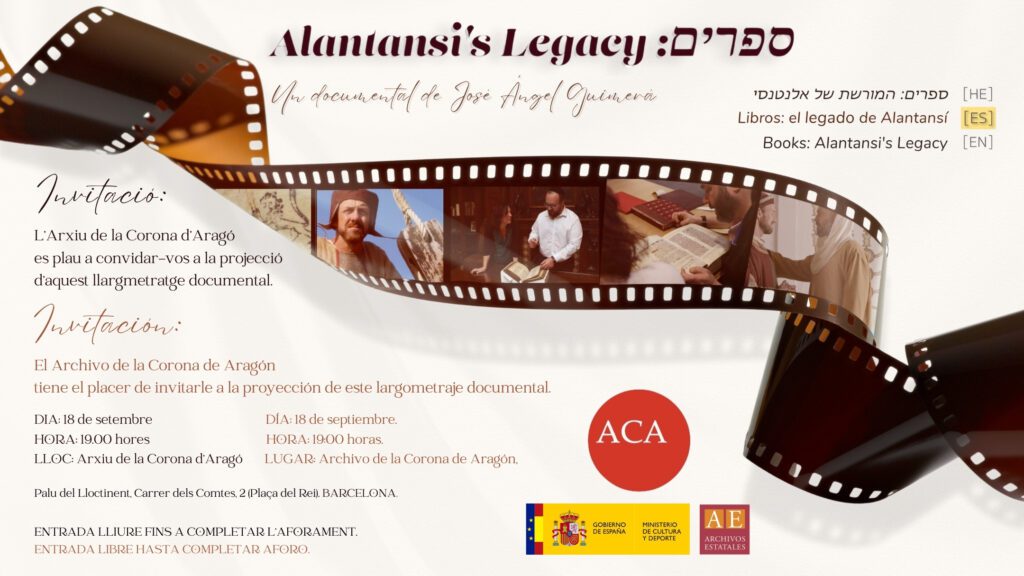
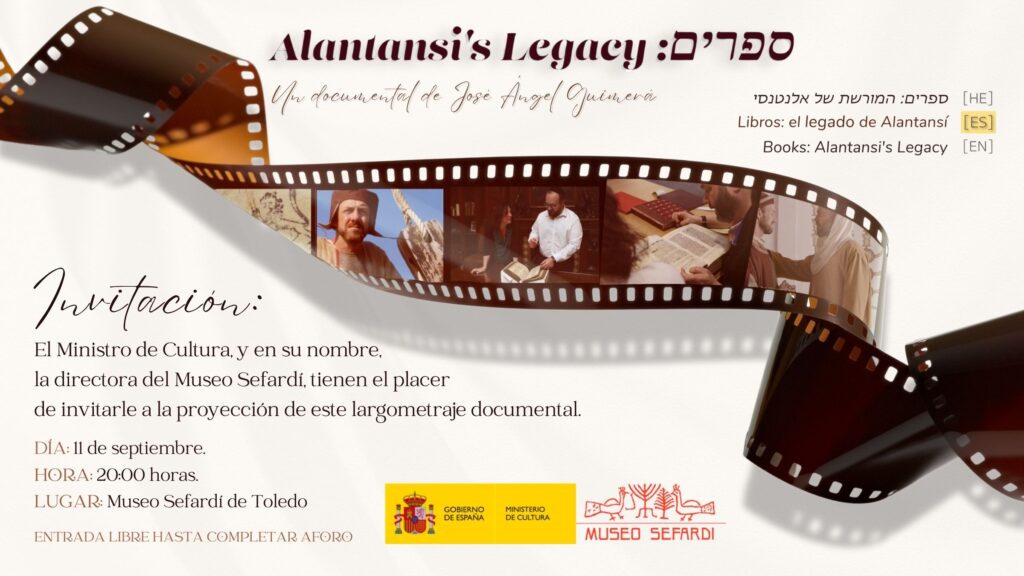
The documentary Books: Alantansí’s Legacy, directed by the Aragonese filmmaker José Ángel Guimerá, restores the forgotten figure of Eliezer ben Abraham Alantansí, a pioneer of Hebrew printing in the Iberian Peninsula. Born in Huesca in the mid-15th century, he later moved to the town of Ixar (today Híjar, Teruel), where in 1482 he founded a printing workshop that became a milestone in the cultural history of Sepharad. There he produced foundational works of Sephardic Judaism, such as the Tur Orah Hayim and the Hebrew Bible with the Five Megillot—true incunabula now preserved in major libraries in Madrid, Jerusalem, Oxford, New York, and Turin.
The film follows the career of this scholar with entrepreneurial spirit, who worked under the protection of the first Duke of Híjar. His books, of exceptional typographic and aesthetic quality, attest to the refinement of a printer ahead of his time. The narrative blends docu-fiction scenes recreating his native Huesca, the synagogue, the workshop, and the Híjar printing press, with the research journey of historian Lucía Conte, who has tracked surviving copies in universities and archives worldwide. Filming locations include the old synagogue of Híjar—the only one in Spain that retains medieval painted decoration—the Four Sephardic Synagogues of Jerusalem, the Library of the Jewish Theological Seminary in New York, and the Bodleian Library in Oxford.
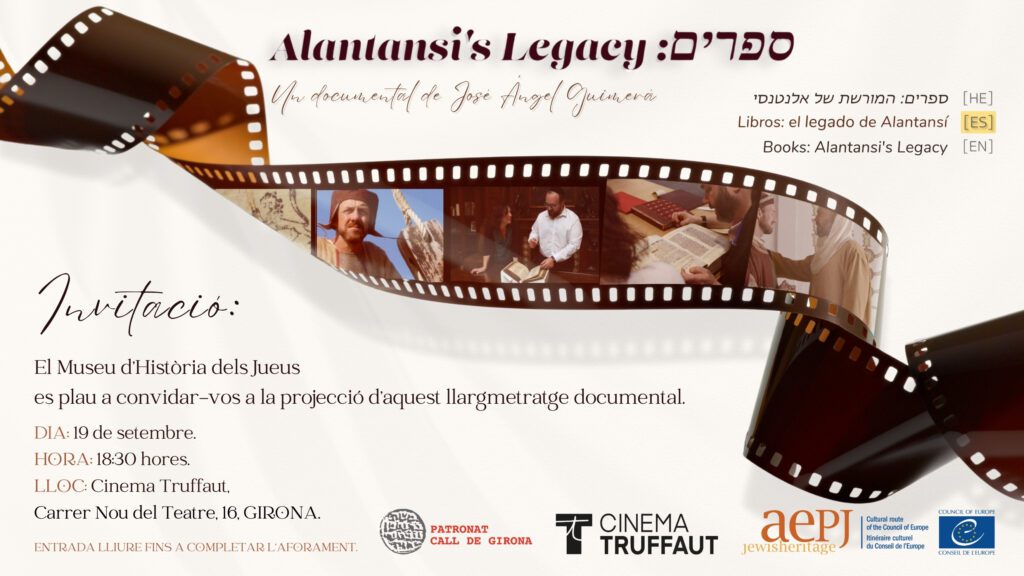
On September 19, the documentary will be screened in Girona at the historic Cinema Truffaut, in an event organized by the Museum of Jewish History of Girona. Located in the heart of the city, the museum is devoted to preserving and disseminating the legacy of Jewish life in medieval Girona, once home to one of the most vibrant Jewish quarters in Catalonia. The event will begin with a panel discussion featuring José Ángel Guimerá, the film’s director, and Asunción Blasco, Professor at the University of Zaragoza and leading expert on the figure of the printer. Following the discussion, the screening of Books: Alantansí’s Legacy will take place.
The Girona screening is part of the special tour of Books: Alantansí’s Legacy organized on the occasion of the European Days of Jewish Culture 2025. This itinerary also includes Casa Sefarad (Madrid), the Synagogue of El Tránsito (Toledo), the Archive of the Crown of Aragon (Barcelona), the Provincial Council of Huesca, and the Auditorium of the University of Zaragoza. A journey that invites audiences to rediscover, from Aragon to the world, the universal legacy of a Sephardic printer born in Huesca and established in Híjar.
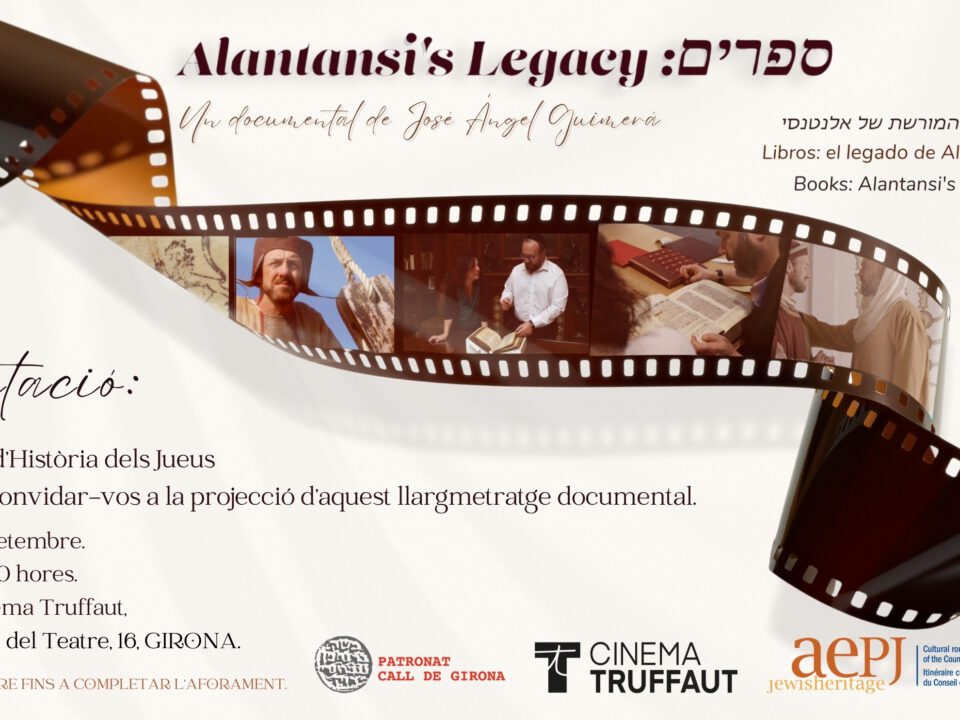
The documentary Books: Alantansí’s Legacy, directed by the Aragonese filmmaker José Ángel Guimerá, restores the forgotten figure of Eliezer ben Abraham Alantansí, a pioneer of Hebrew printing in the Iberian Peninsula. Born in Huesca in the mid-15th century, he later moved to the town of Ixar (today Híjar, Teruel), where in 1482 he founded a printing workshop that became a milestone in the cultural history of Sepharad. There he produced foundational works of Sephardic Judaism, such as the Tur Orah Hayim and the Hebrew Bible with the Five Megillot—true incunabula now preserved in major libraries in Madrid, Jerusalem, Oxford, New York, and Turin.
The film follows the career of this scholar with entrepreneurial spirit, who worked under the protection of the first Duke of Híjar.
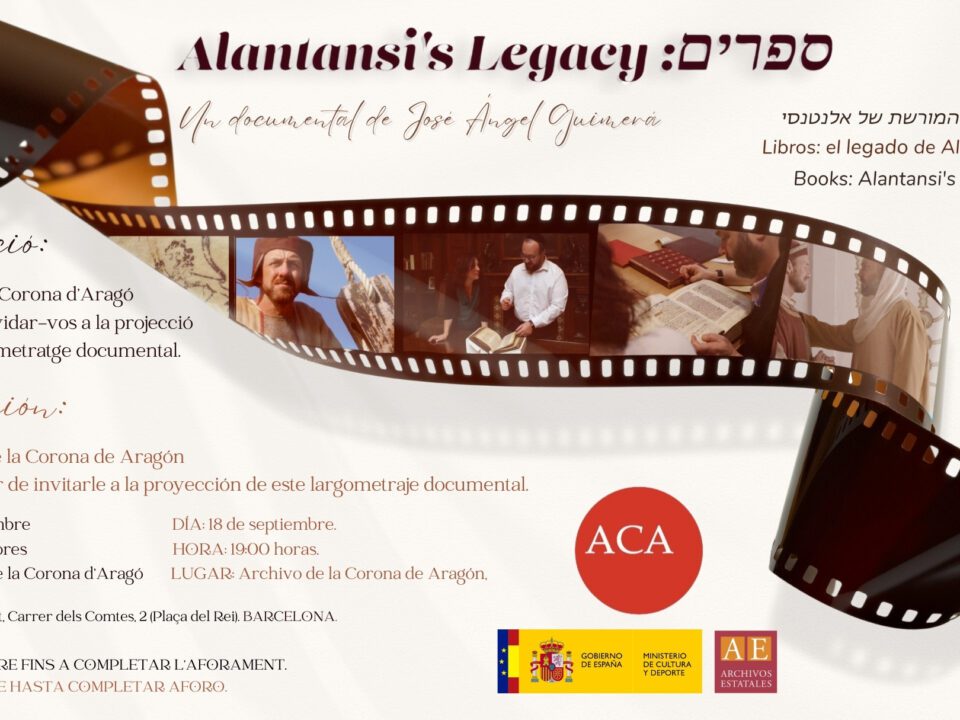
The documentary Books: Alantansí’s Legacy, directed by the Aragonese filmmaker José Ángel Guimerá, restores the forgotten figure of Eliezer ben Abraham Alantansí, a pioneer of Hebrew printing in the Iberian Peninsula. Born in Huesca in the mid-15th century, he later moved to the town of Ixar (today Híjar, Teruel), where in 1482 he founded a printing workshop that became a milestone in the cultural history of Sepharad. There he produced foundational works of Sephardic Judaism, such as the Tur Orah Hayim and the Hebrew Bible with the Five Megillot—true incunabula now preserved in major libraries in Madrid, Jerusalem, Oxford, New York, and Turin.
The film traces the career of this erudite with entrepreneurial spirit, who worked under the protection of the first Duke of Híjar.
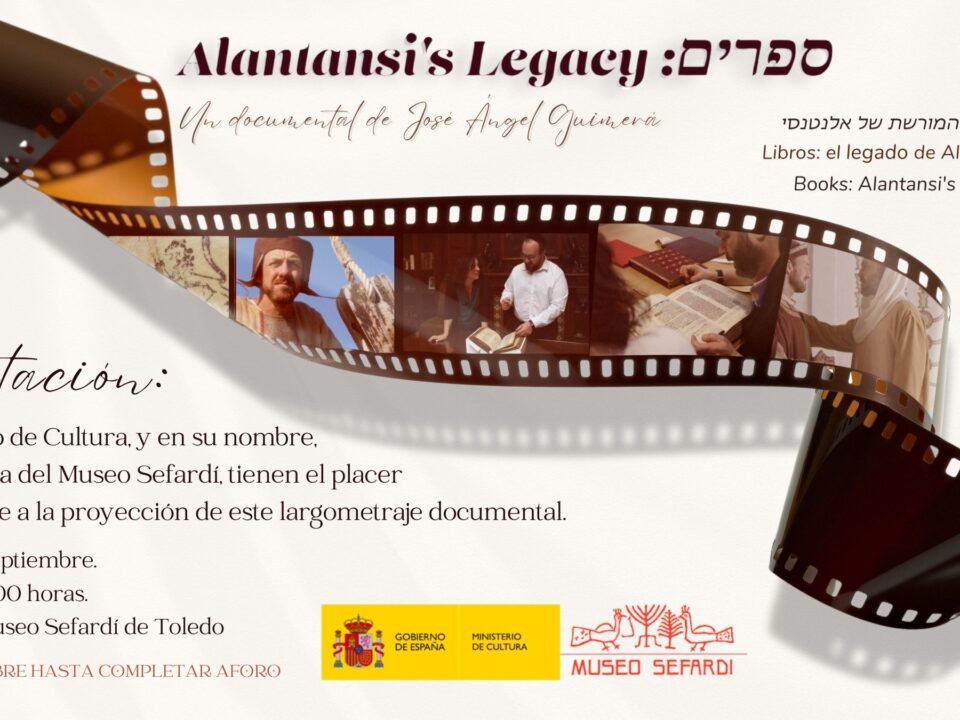
The documentary Books: Alantansí’s Legacy, directed by the Aragonese filmmaker José Ángel Guimerá, restores the forgotten figure of Eliezer ben Abraham Alantansí, a pioneer of Hebrew printing in the Iberian Peninsula. Born in Huesca in the mid-15th century, he later moved to the town of Ixar (today Híjar, Teruel), where in 1482 he founded a printing workshop that would become a milestone in the cultural history of Sepharad. There he printed foundational works of Sephardic Judaism, such as the Tur Orah Hayim and the Hebrew Bible with the Five Megillot—true incunabula now preserved in major libraries in cities like Madrid, Jerusalem, Oxford, New York, and Turin.
The film traces the career of this erudite with entrepreneurial spirit, who worked under the protection of the first Duke of Híjar.
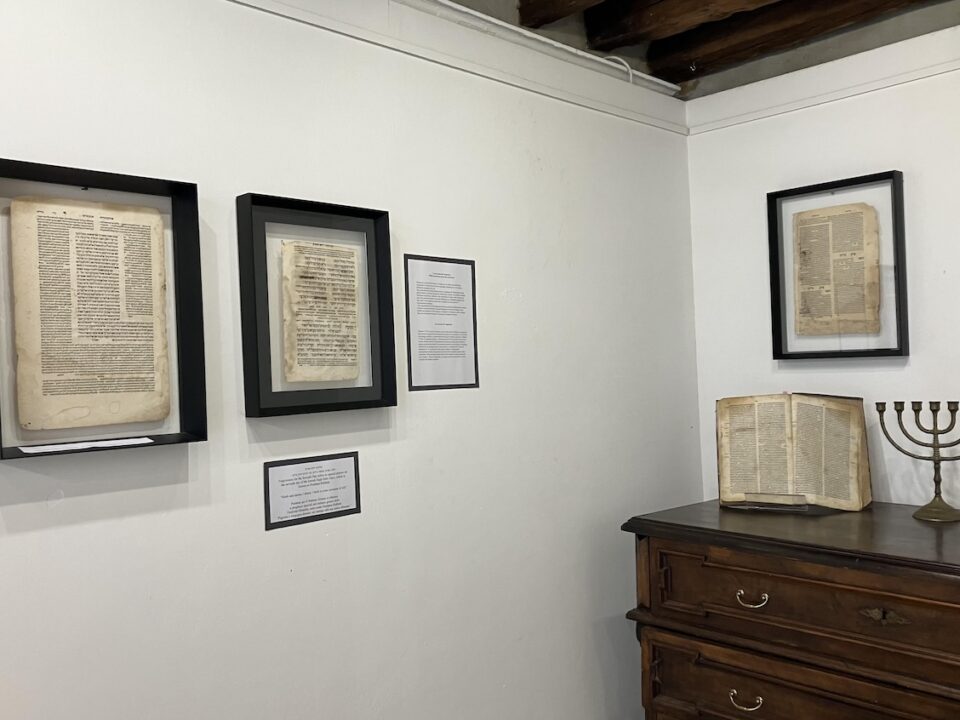
The Venice Ghetto on Paper: Exploring Jewish History and Culture through our Books and Original Manuscript Folios
Our publications:
The Venice Ghetto: Its Hidden Gems and Secret Corners Revealed, by Beatrice Boban
The Venice 1517 Haggadah
500 Years of the Ghetto of Venice
Frequently Asked Questions About the Ghetto
The Proto-Sinaitic Alphabet
The Jewish Festivals and Holy Days
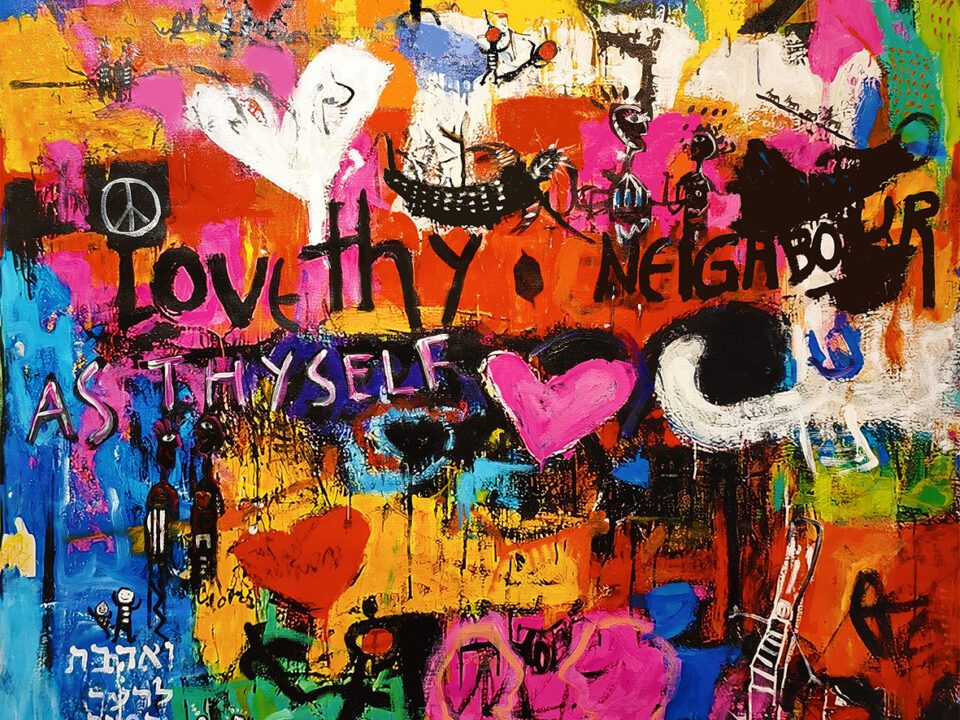
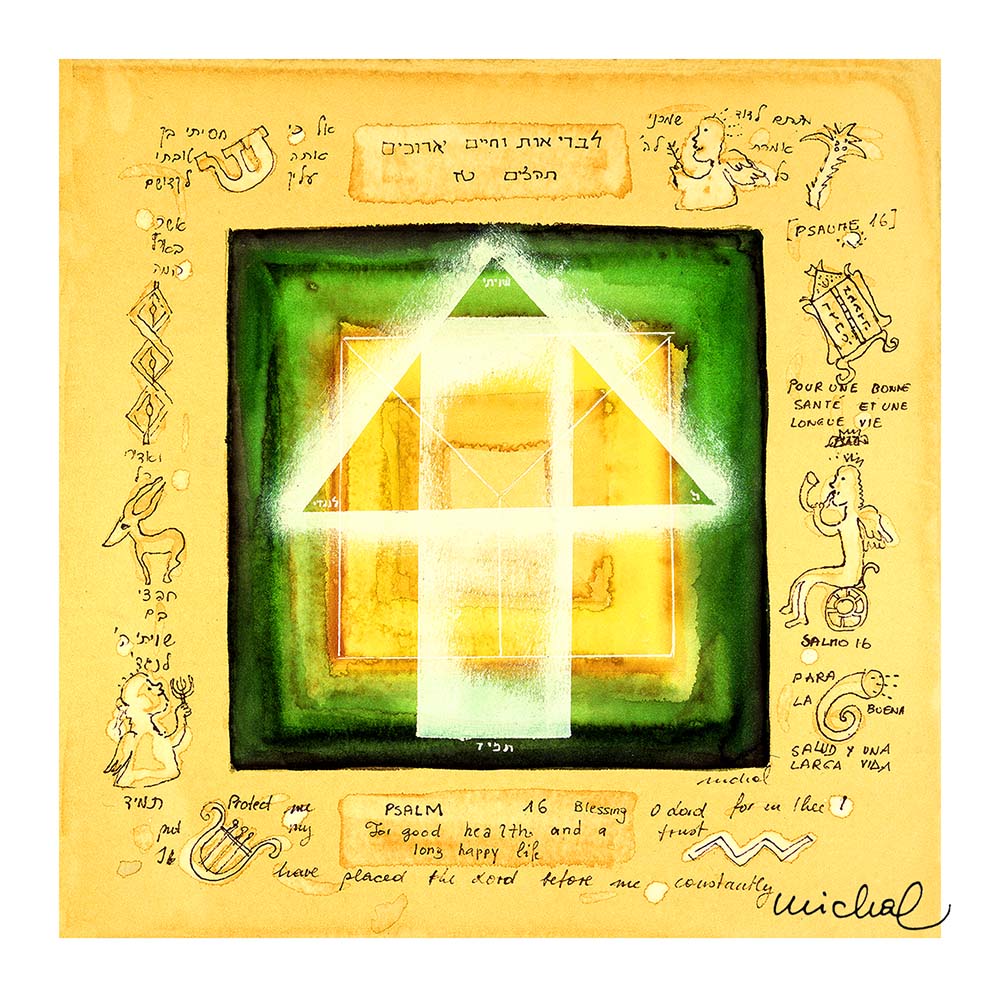
Art Exhibition: The Wisdom of The Fathers: The Proverbs in Paintings by Michal Meron
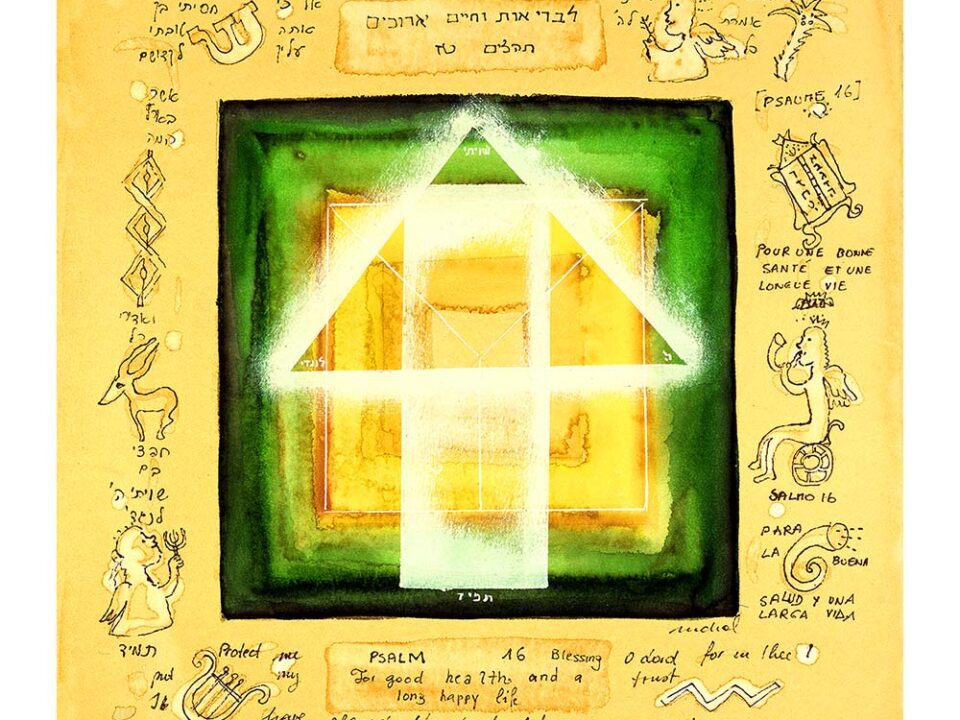
Art Exhibition in the Center of the Ghetto of Venice.

Verbotene Tiere! Können Tiere verboten sein? – Und was ist mit dem Schwein?
Gemeinsam zu essen verbindet. Und: Was und wie wir essen, zeigt, wer wir sind und woher wir kommen.
In diesem Koscherkochkurs lernt ihr spielerisch die Grundlagen der jüdischen Speisegesetze kennen.
Wir kochen und backen leckere Gerichte aus der jüdischen Küche – und natürlich genießen wir anschließend zusammen die Früchte unserer Arbeit.
Die Musikerin, Pädagogin und jüdische Referentin Maria Becker bietet seit vielen Jahren in Zusammenarbeit mit verschiedenen Bildungsträgern Projekte an, die sich mit spannenden Themen beschäftigen und immer genau auf die jeweilige Zielgruppe zugeschnitten sind.
Anmeldung bis zum 16.9.2025 unter veranstaltungen@ij-n.de oder Tel. 0178 6723594
Foto: © Maria Becker
Diese Veranstaltung ist Teil der Jüdischen Kulturtage zwischen Harz und Heide 2025.

Der Terroranschlag der Hamas auf Israel am 7. Oktober 2023 war von extremer Gewalt geprägt – auch sexualisierte Gewalt
wurde gezielt eingesetzt. Während international klare Verurteilungen folgten, blieb eine solche Reaktion in Teilen der deutschen Öffentlichkeit, auch in feministischen Kontexten, oft aus.
Das Podium besetzt mit Rebecca Schönenbach (Vorsitzende des Vereins „Frauen für Freiheit“), Bianca Loy (wissenschaftliche Referentin beim Bundesverband der Recherche- und Informationsstellen Antisemitismus (RIAS) e. V.) und Nirit Cordes (Autorin aus Hannover) diskutiert, warum diese Gewalt kaum thematisiert wurde, wie Antisemitismus und Antifeminismus ideologisch zusammenhängen und was eine feministische, menschenrechtsbasierte Solidarität heute bedeutet. Ziel ist es, Leerstellen sichtbar zu machen, zuzuhören und Verantwortung einzufordern.
Ort: Städtisches Museum, Haus am Löwenwall, Steintorwall 14, 38100 Braunschweig
Anmeldung bis zum 16.9.2025 unter veranstaltungen@ij-n.de
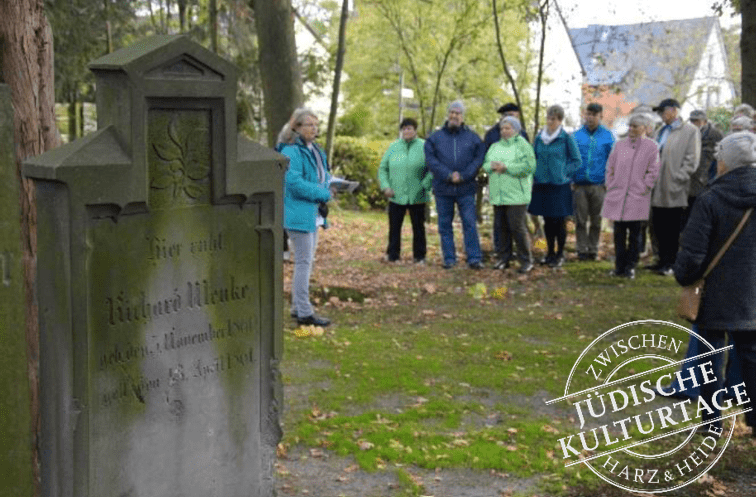

Während der ca. einstündigen Führung auf dem jüdischen Friedhof erfahren die Besucher neben Informationen über die Grabstätten auch Wissenswertes über die Geschichte der jüdischen Gemeinde in Gifhorn.
Herren müssen auf dem Friedhof eine Kopfbedeckung tragen.
Ort: Jüdischer Friedhof Gifhorn, Lutherstraße 6, 38518 Gifhorn
Kosten: 4 € pro Person
Eine Anmeldung ist nicht erforderlich.
Diese Veranstaltung ist Teil der Jüdischen Kulturtage zwischen Harz und Heide 2025.
Veranstalter: Stadt Gifhorn