
Lecturer: Attila Čokolić
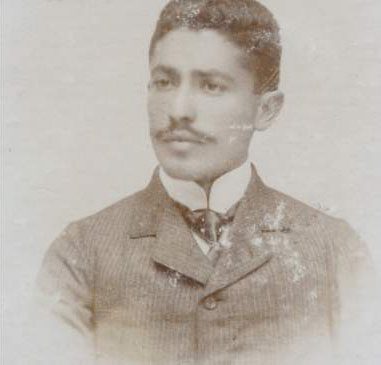
The Jewish community in the city of Osijek greatly contributed to the development of legal thought, the legal profession and the judiciary of Osijek, and the whole of Slavonia, in the period from 1870 to the beginning of World War II. The city of Osijek developed intensively during this period, and the influx of capital undoubtedly stimulated the great development of crafts and industry. All this led to a greater need for legal protection, which at that time was provided only by lawyers.
Among the numerous Osijek lawyers, members of the Jewish community, two stand out in particular: Dr. Hugo Spitzer (1858 – 1934) and Dr. Hermann Weissmann (1884 – 1942). Both of these lawyers have great and lasting significance, both for the Jewish community, the city of Osijek, and the Republic of Croatia.
Lecturer: Attila Čokolić
The Jewish community in the city of Osijek greatly contributed to the development of legal thought, the legal profession and the judiciary of Osijek, and the whole of Slavonia, in the period from 1870 to the beginning of World War II. The city of Osijek developed intensively during this period, and the influx of capital undoubtedly stimulated the great development of crafts and industry. All this led to a greater need for legal protection, which at that time was provided only by lawyers.
Among the numerous Osijek lawyers, members of the Jewish community, two stand out in particular: Dr. Hugo Spitzer (1858 – 1934) and Dr. Hermann Weissmann (1884 – 1942). Both of these lawyers have great and lasting significance, both for the Jewish community, the city of Osijek, and the Republic of Croatia.
Lecturer: Danijel Berković
Fra Silvije Grubišić is a distinctive and specific Croatian Bible translator. In his translation solutions, Grubišić, in relation to the original, is extremely authentic, vivid and direct. In this, Grubišić even surpasses some of the translation solutions of many other exceptional Croatian Bible translators.
Grubišić's translation of the Psalms, as well as several of his other vivid and distinctive translation solutions, speak for themselves. In contrast to euphemisms, when it is desired to depict and soften emotional states or emotional reactions, Grubišić is extremely direct, but also directly relevant to the original text. Namely, euphemisms were not and are not part of the Middle Eastern environment, which is clearly reflected in Grubišić's translations. In this, Grubišić is a ruthless translator.
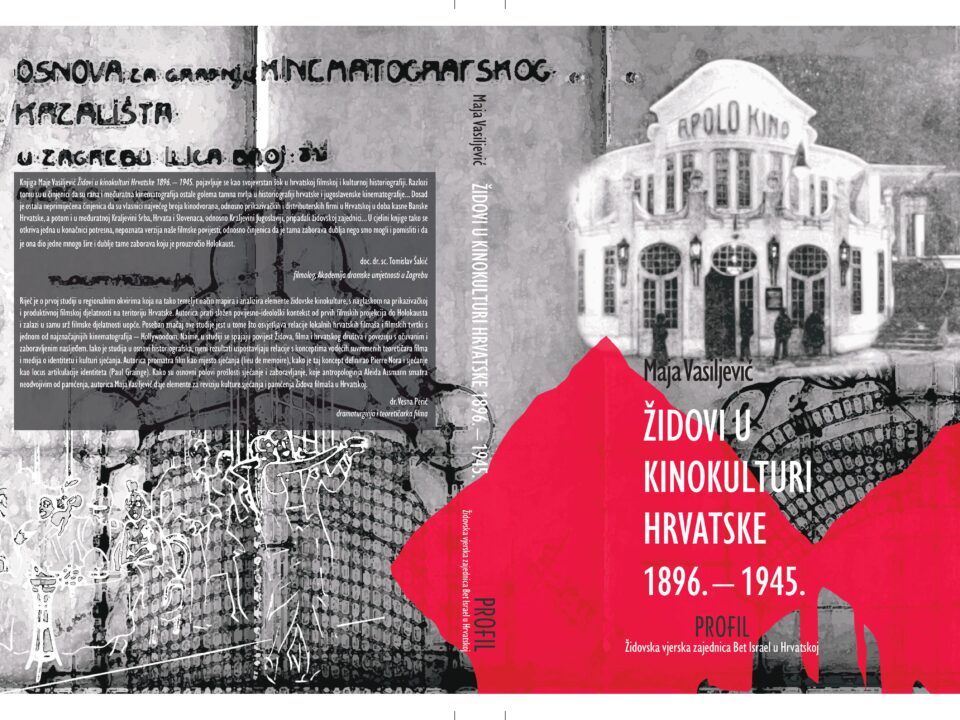
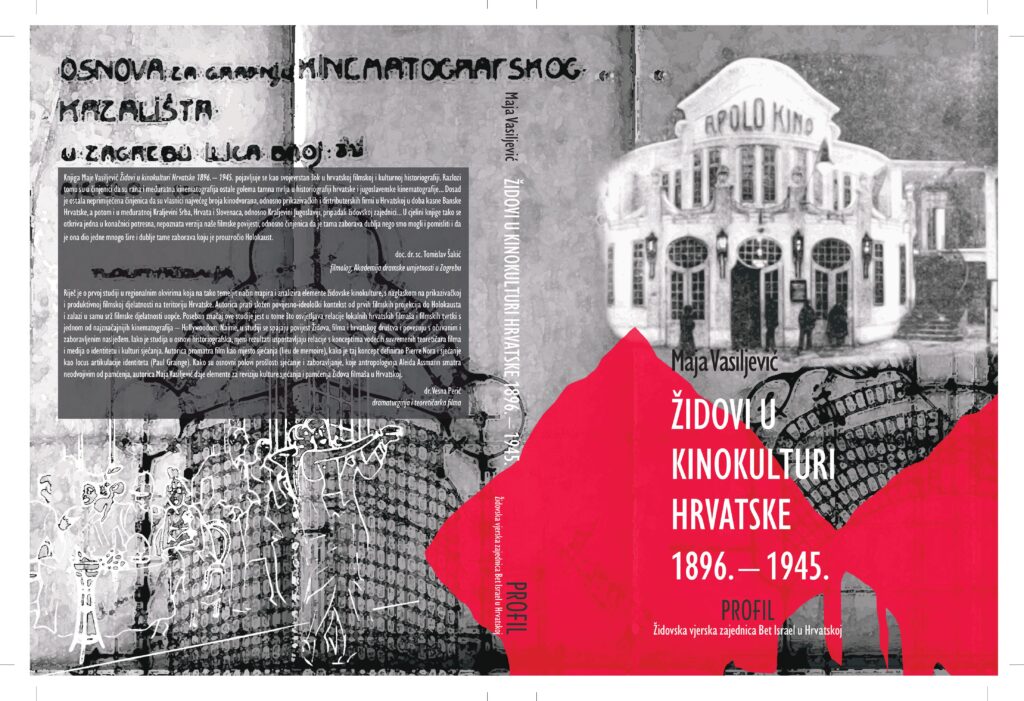
The book “Jews in Croatian Film Culture 1896–1945” by Maja Vasiljević represents an extremely significant contribution not only to the history of cinematography in Croatia, but also to a broader understanding of the cultural, social and political role that Jews played in the formation of one of the most important arts of the 20th century. Thoroughly researched and clearly conceived, this study covers a complex period from the very beginnings of cinematography in Croatia at the end of the 19th century, to the twilight of an era – World War II and the Holocaust, which brutally interrupted the continuity of the presence and contribution of the Jewish community in the film life of the country. The study will be presented at the promotion by Marijana Bošnjak, director of Kinematografi Osijek, Dr.
Director and screenwriter: Sanela Prašović Gadžo
The film is a historical story about Sarajevo and the tragic events during World War II through the life of a girl who survived the Holocaust. Mrs. Erna Estera Kaveson Debevec is now 91 years old and lives in Sarajevo. The film was shot on location in Bosnia and Herzegovina, Croatia and Italy.
In cooperation with "La Benevolencija", Jewish humanitarian organization based in Sarajevo.
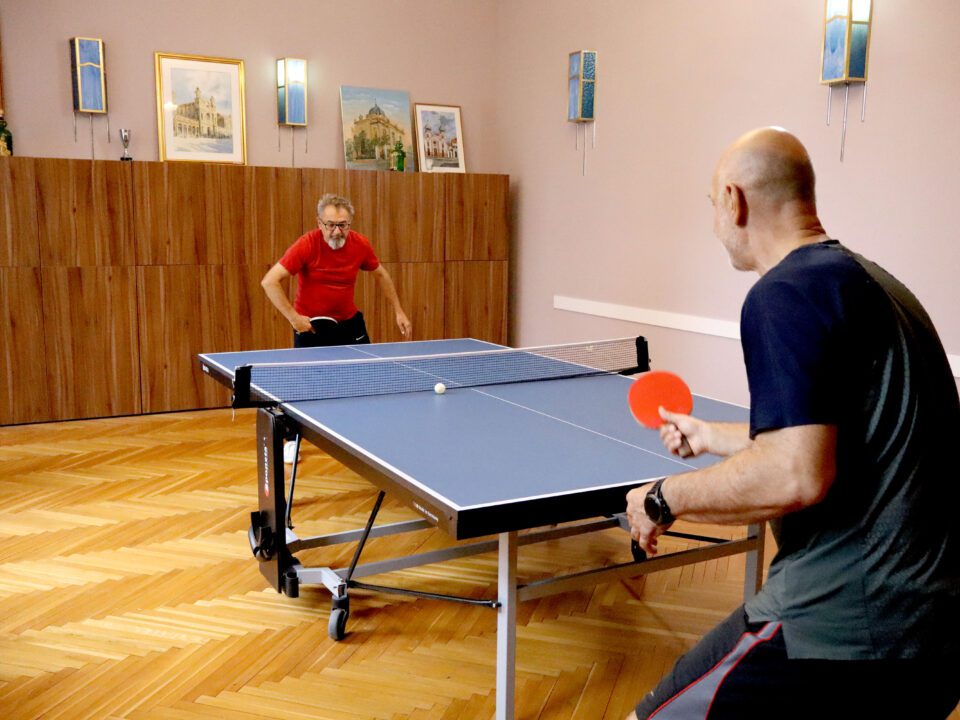
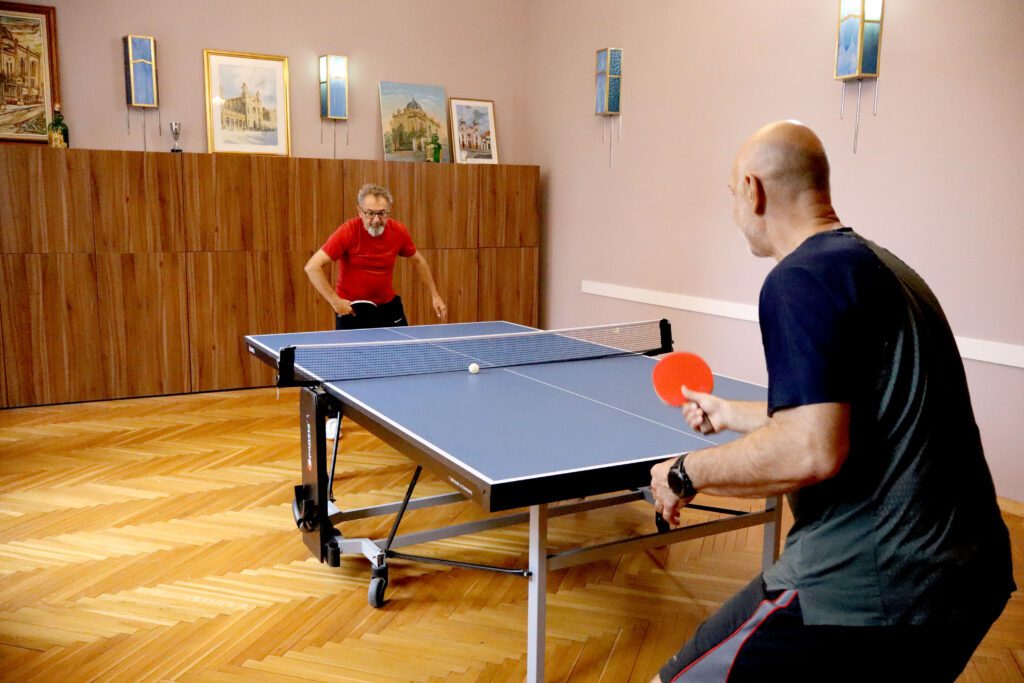
Table tennis tournament of national minorities in the Jewish Community of Osijek
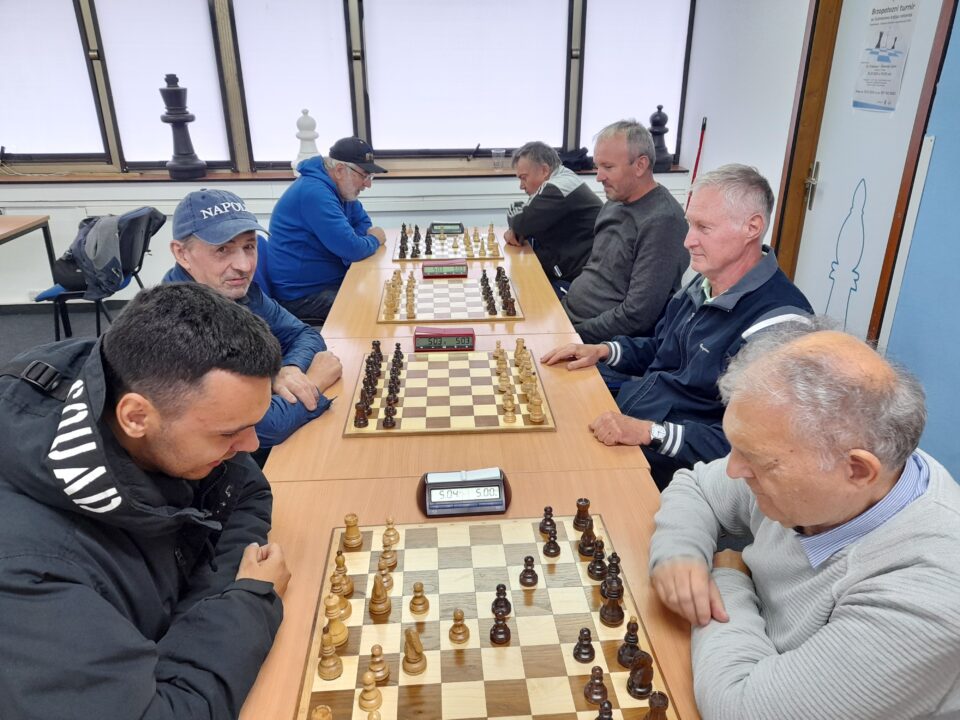
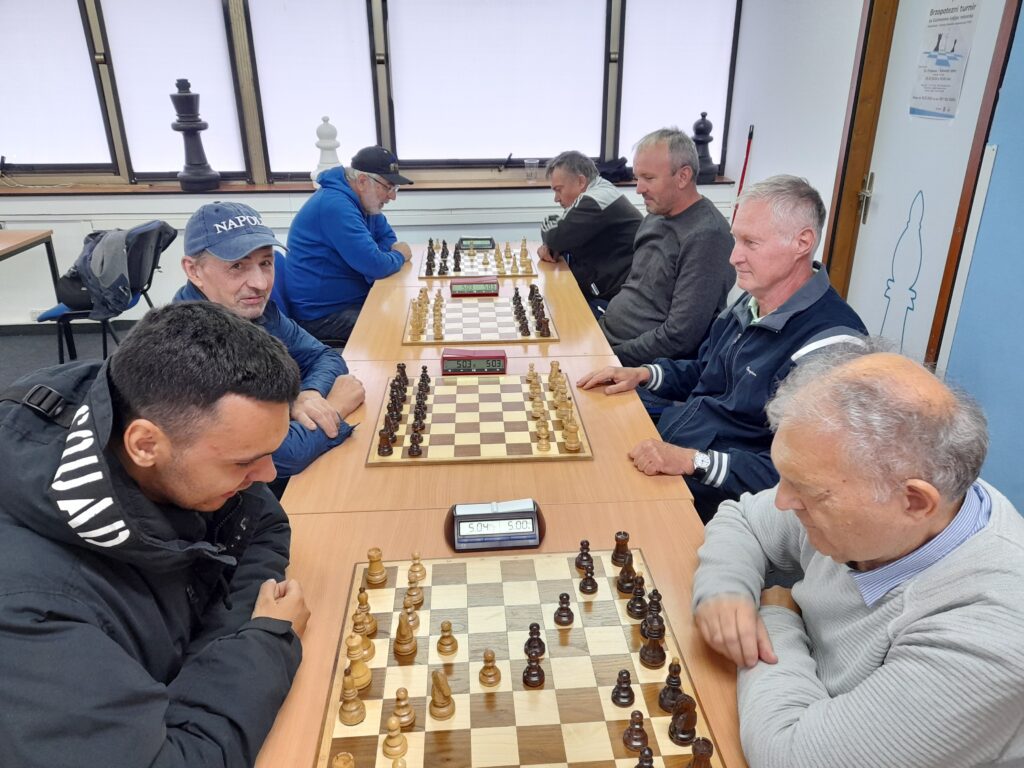
Chess tournament for national minorities in Šahovski dom Zrinjevac
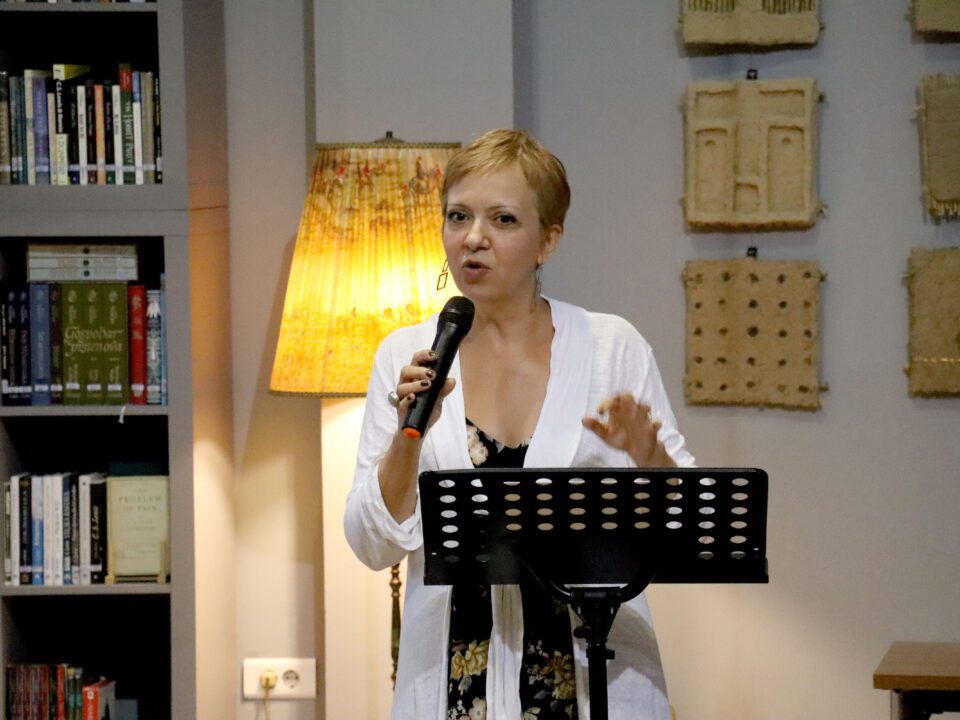
Lecturer: Julijana Mladenovska-Tešija
When we think of books and home, we think of solitude, peace, or travel. During this meeting, we will talk about home, which represents security and rootedness, and about travel, which represents openness, but also displacement, and even exile. We will see how two philosophers: one Jewish, the other Christian, Emanuel Levinas and Miroslav Volf, resolve the tension of this position in the God who is near.
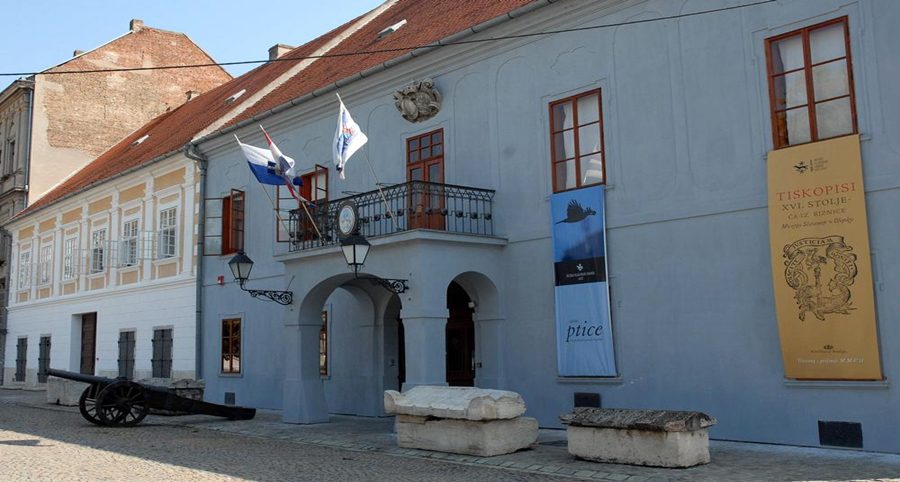
Lecturer: Marina Šutalo
The collections of the Museum of Slavonia contain several objects from the family legacy of Makso Büchler. Büchler was an Osijek merchant of Slovak origin, and also the owner of a shop in the city center. A table from his collection was selected for this exhibition, which can currently be viewed at the exhibition "Function, Aesthetics, Passion – Selection from the Furniture Collection of the Museum of Slavonia". As a museum object, it will be observed from three different perspectives. First, as an object of museum material with an emphasis on its aesthetic and heritage value: it is a representative collector's item modeled on the South German Renaissance type of table. Then, as an object in time and space, opening up the topic of Osijek's bourgeoisie from the turn of the 19th to the 20th century.
Lecturer: Laila Šprajc
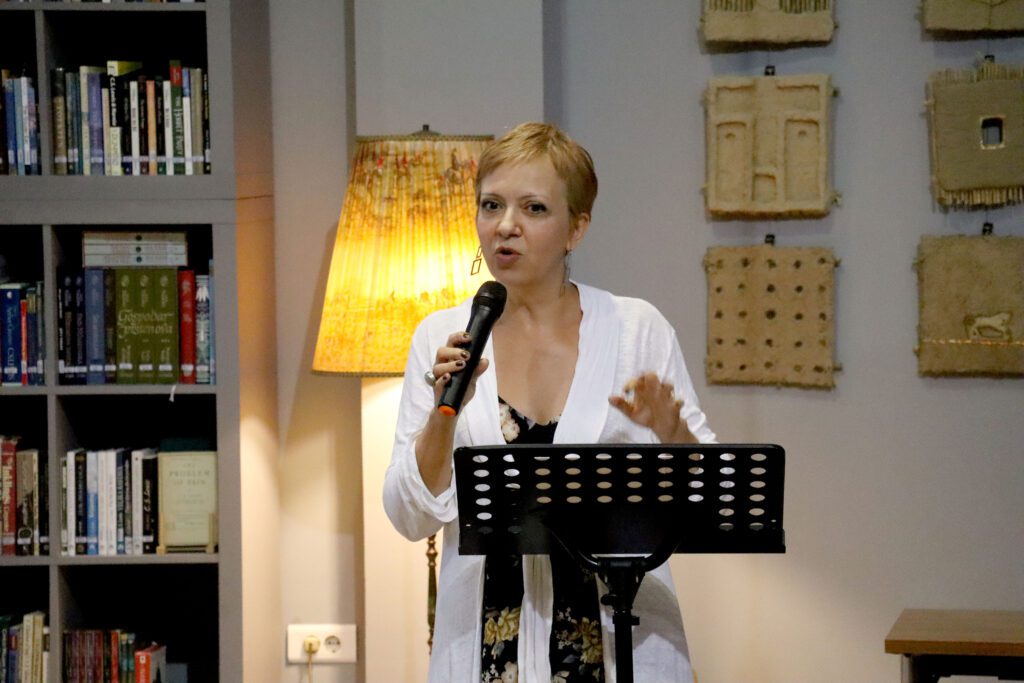
One of the ancient, and perhaps the oldest living languages, is certainly Hebrew. In the periods when it was not the vernacular, it remained the language of prayer, Torah study, and philosophical and literary creativity. At the end of the 19th century, by integrating old and new elements, the modern Hebrew language was created.
What are the similarities and differences between biblical and modern Hebrew? How to find a way out of the labyrinth of translation? How to faithfully follow the source language without distorting the target language? Along with numerous other questions, Laila Šprajc, a translator from Hebrew, will try to give some (in)appropriate answers.