
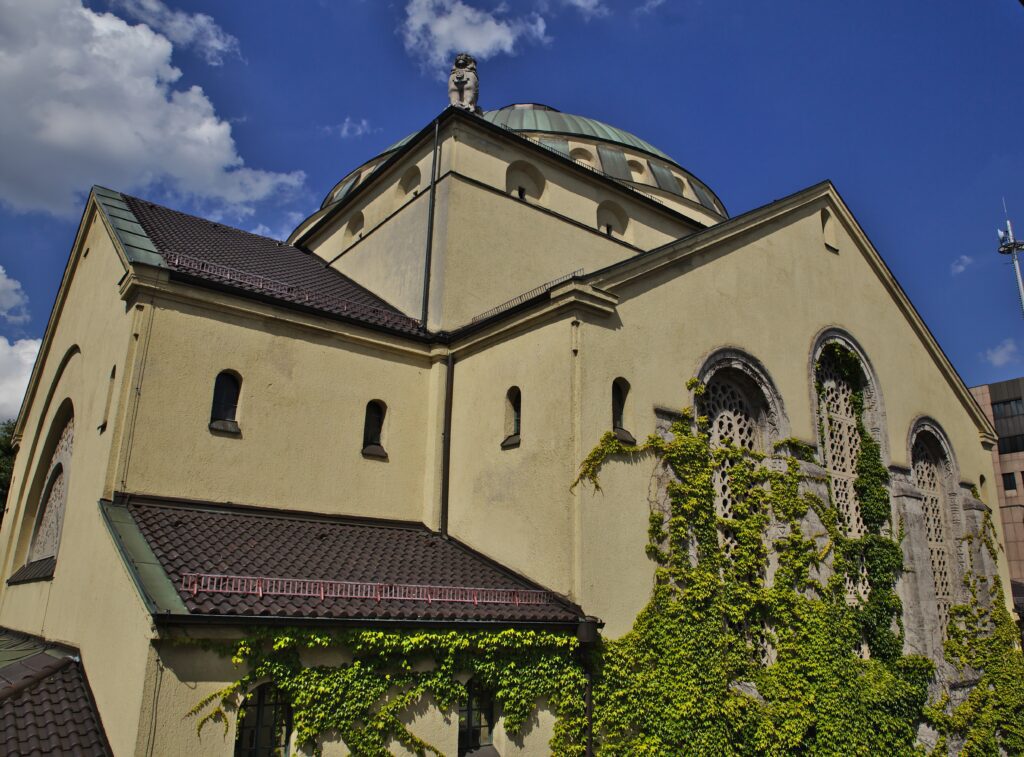
Zum Europäischen Tag der jüdischen Kultur lädt das Jüdische Museum Augsburg Schwaben in beide Museumsstandorte ein:
In der Großen Synagoge in der Augsburger Innenstadt führen mehrere Führungen durch die Dauerausstellung und die eindrucksvolle Synagoge. Hier erfahren Besucher*innen mehr über die zentrale Rolle der Tora und gewinnen einen Einblick in die lokale jüdische Geschichte. Auch für Familien ist gesorgt: Um 11.30 Uhr begleiten die Synagogenmäuse junge Gäste auf eine kindgerechte Entdeckungstour. Eine Vorlesestunde für Kinder und ganztägiges Kinderbasteln ergänzen das Programm. Der Bücherflohmarkt und der Museumsshop lädt bei Kaffee und Getränken zum Stöbern ein.
Die Ehemalige Synagoge Kriegshaber, geöffnet von 12 bis 18 Uhr, bietet mit der Ausstellung „Jiddisch. Jüdisch. Taitsch.“ Einblicke in eine Sprache, die über 800 Jahre in Bayern gesprochen, gelesen und gedruckt wurde. Um 15 Uhr erläutert eine Führung Hintergründe und Inhalte der Ausstellung.
Ein besonderes Highlight: Um 16.30 Uhr beleuchtet Dr. David Freis in seinem Vortrag „Psychotherapie in Jiddischland“ das Leben des jiddischsprachigen Schriftstellers, Arzt und Psychologen Fischl Schneersohn.
Museumsstandort Innenstadt
geöffnet von 10-18 Uhr
10.45 Uhr | Begrüßung
11.30 Uhr | Familienführung: Unterwegs mit den Synagogenmäusen
12.30 Uhr | Führung durch Dauerausstellung & Synagoge
14.30 Uhr | Vorlesestunde für Kinder
15.30 Uhr | Führung durch Dauerausstellung & Synagoge
16.30 Uhr | Führung durch Dauerausstellung & Synagoge
Ganztägig: Kaffee & Getränke, Kinderbasteln, Bücherflohmarkt
Ehemalige Synagoge Kriegshaber
geöffnet von 12-18 Uhr
13 Uhr | Führung durch die ehemalige Synagoge
15 Uhr | Führung durch die Ausstellung »Jiddisch. Jüdisch. Taitsch.«
16.30 Uhr | Vortrag »Psychotherapie in Jiddischland. Fischl Schneersohn und seine Wissenschaft vom Menschen« von Dr. David Freis
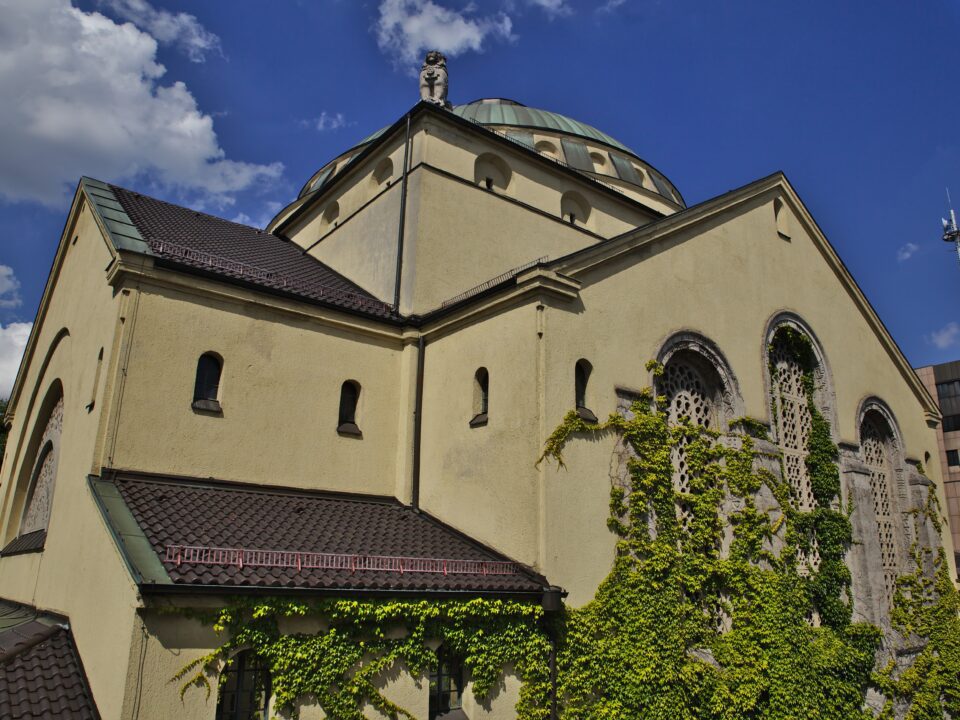
Zum Europäischen Tag der jüdischen Kultur lädt das Jüdische Museum Augsburg Schwaben in beide Museumsstandorte ein:
In der Großen Synagoge in der Augsburger Innenstadt führen mehrere Führungen durch die Dauerausstellung und die eindrucksvolle Synagoge. Hier erfahren Besucher*innen mehr über die zentrale Rolle der Tora und gewinnen einen Einblick in die lokale jüdische Geschichte. Auch für Familien ist gesorgt: Um 11.30 Uhr begleiten die Synagogenmäuse junge Gäste auf eine kindgerechte Entdeckungstour. Eine Vorlesestunde für Kinder und ganztägiges Kinderbasteln ergänzen das Programm. Der Bücherflohmarkt und der Museumsshop lädt bei Kaffee und Getränken zum Stöbern ein.
Die Ehemalige Synagoge Kriegshaber, geöffnet von 12 bis 18 Uhr, bietet mit der Ausstellung „Jiddisch. Jüdisch. Taitsch.“ Einblicke in eine Sprache, die über 800 Jahre in Bayern gesprochen, gelesen und gedruckt wurde.
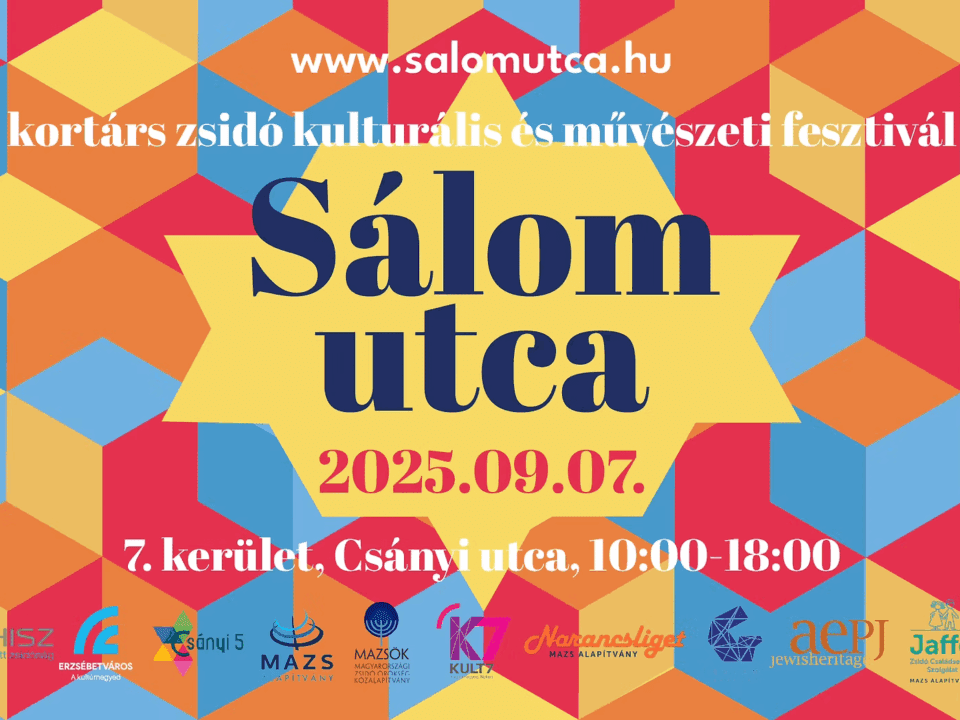
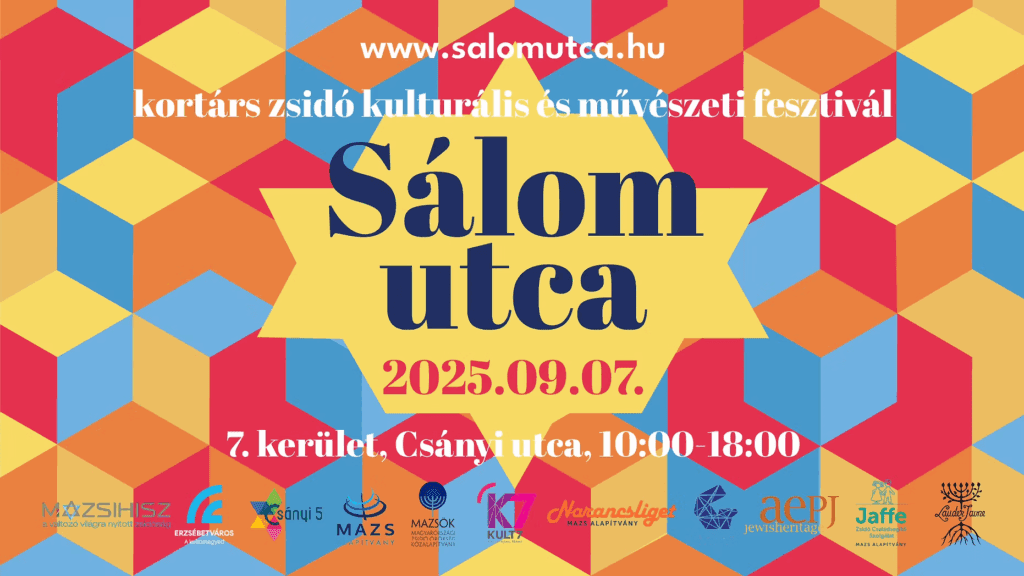
3 Jewish organisation and the local municipality organising a Jewish art and culture festival for everyone who loves shalom (peace).
The Golem Theater, The Csányi 5 and MAZS foundation invites you to have fun, a good Jewish bite and some culture in and outdoor.
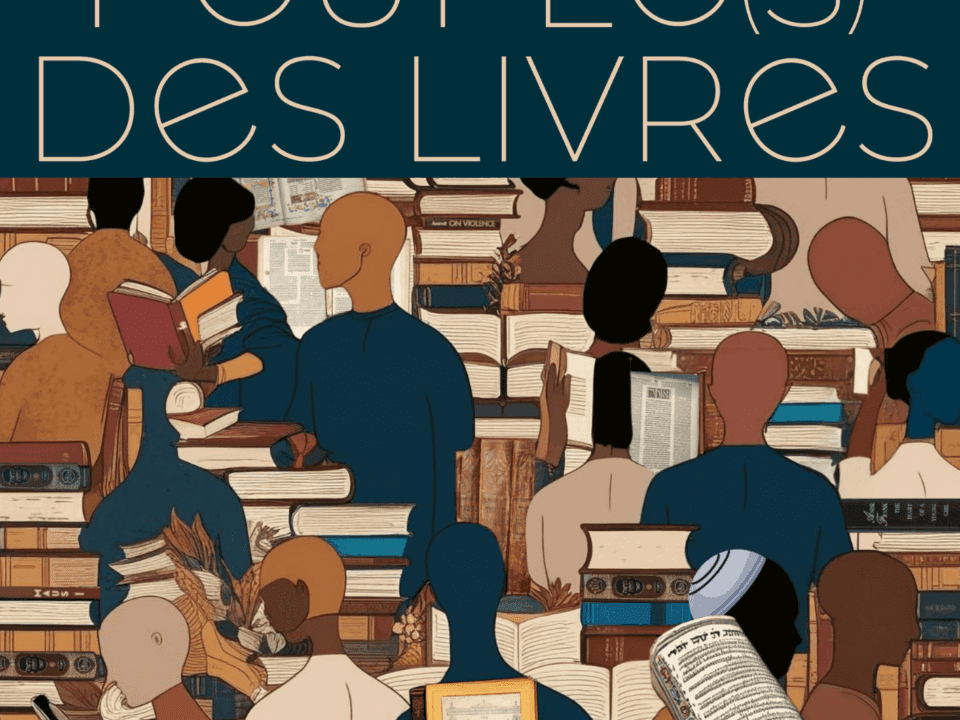
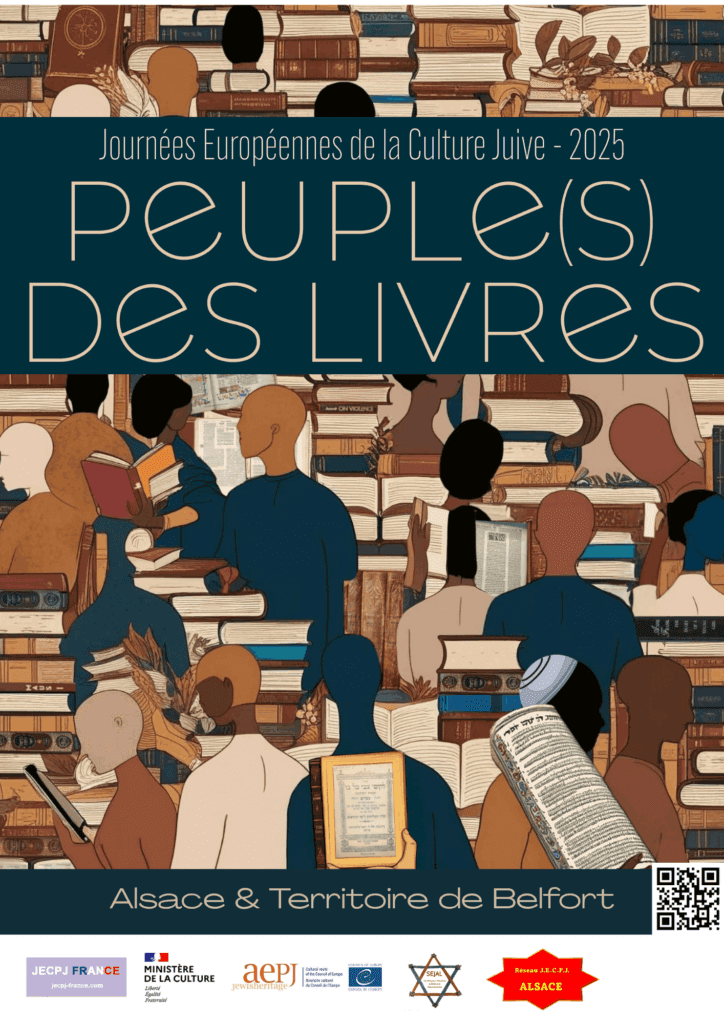
The 2025 edition of the EDJC in Alsace and Territoire de Belfort offers the public more than 60 activities in 37 cities and villages.
Activities include: open doors, guided tours, lectures, concerts, and theater performances.
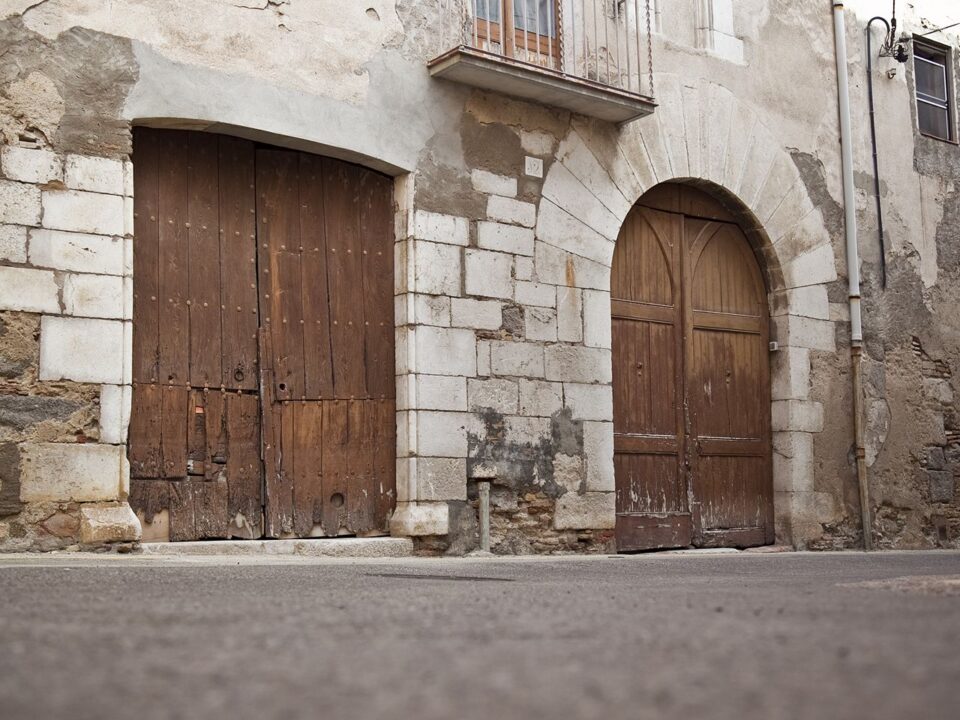
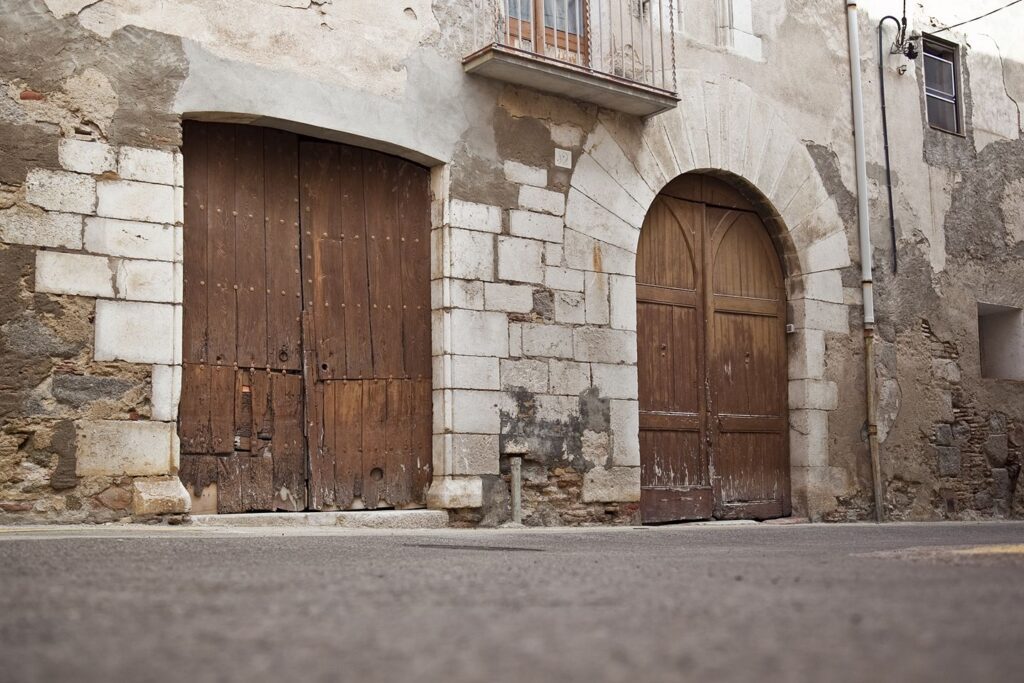
La historiadora local, Ariadna Comas Leira, ens oferirà una conferència per presentar els resultats del seu treball d'investigació entorn la Sinagoga del Puig del Mercadal de Castelló d'Empúries. Serà el dissabte 6 de setembre, a les 19.30 h, a la Capella del Convent de Santa Clara.
Activitat gratuïta.
No cal reserva prèvia.
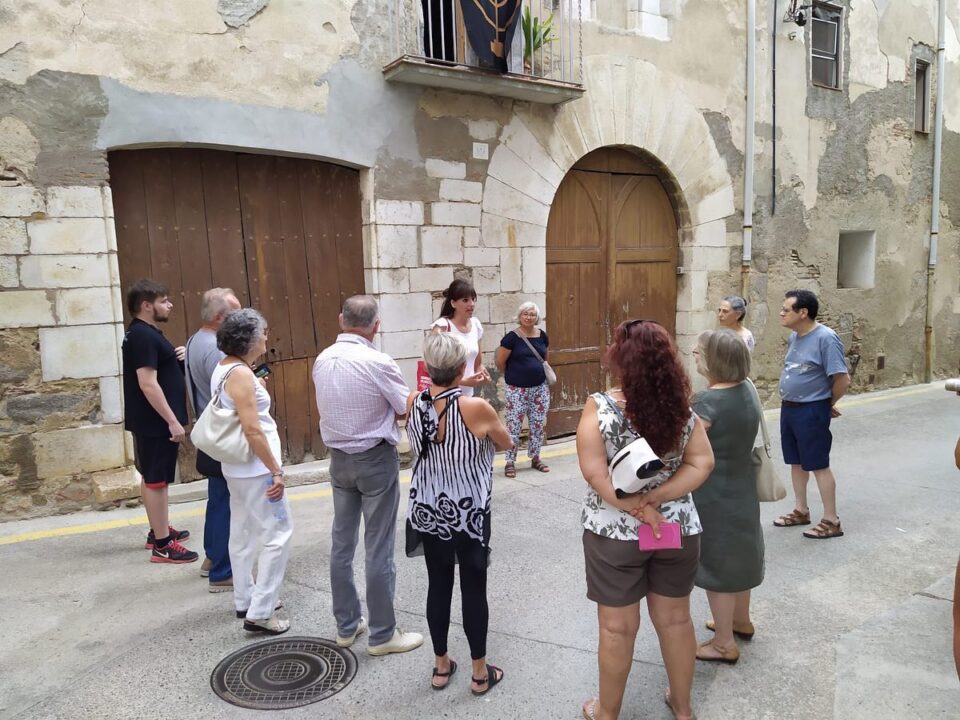
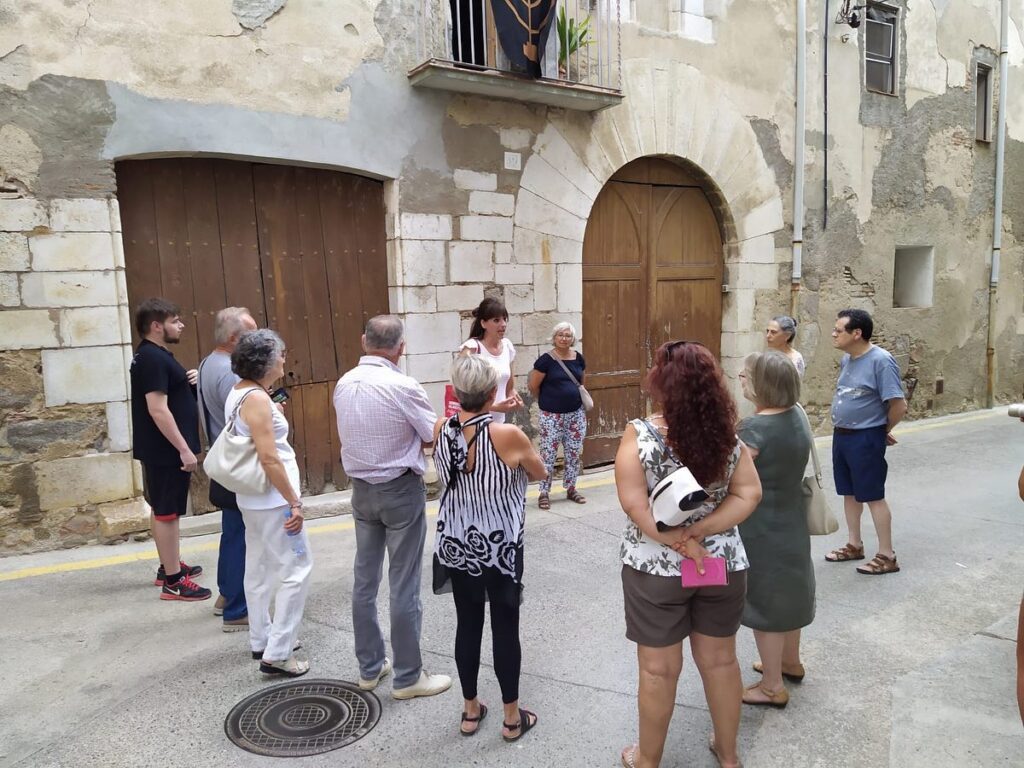
Sabies que durant l’edat mitjana Castelló d’Empúries acollia una important comunitat jueva? EmpordàBrava t’acompanya en un recorregut a través del temps per descobrir el llegat dels jueus a la capital del comtat d’Empúries, al llarg de segles de convivència i fins a la seva expulsió el 1492.
Activitat emmarcada dins les Jornades Europees de la Cultura Jueva.
Lloc: Oficina Municipal de Turisme (plaça dels Homes)
Preu: gratuït
Organitza: EmpordaBrava
Informació i reserves: EmpordàBrava 688 331 094.
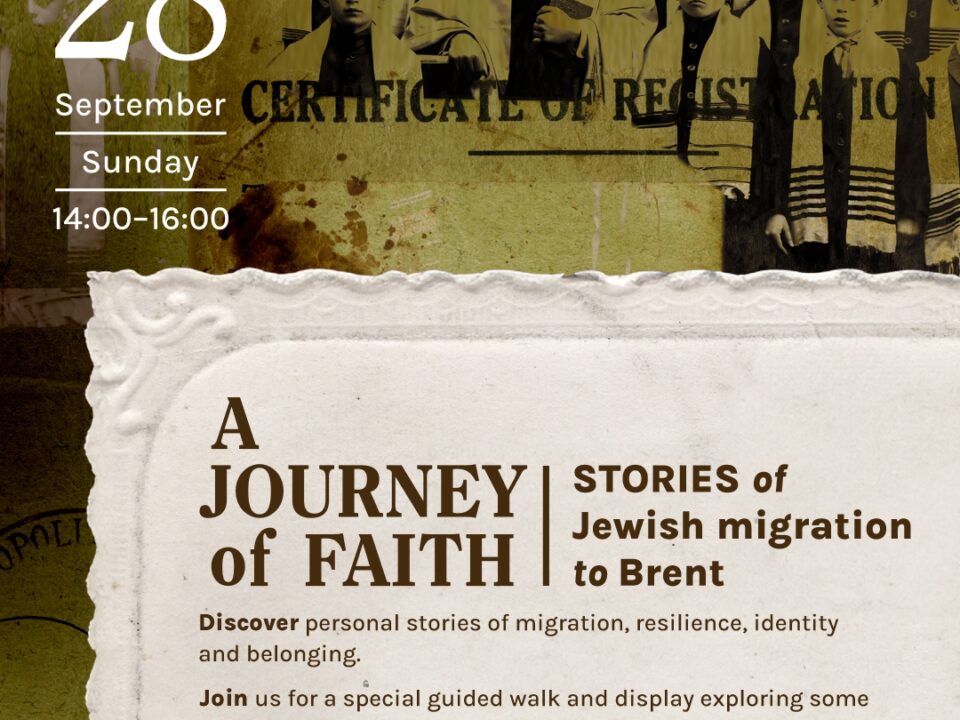
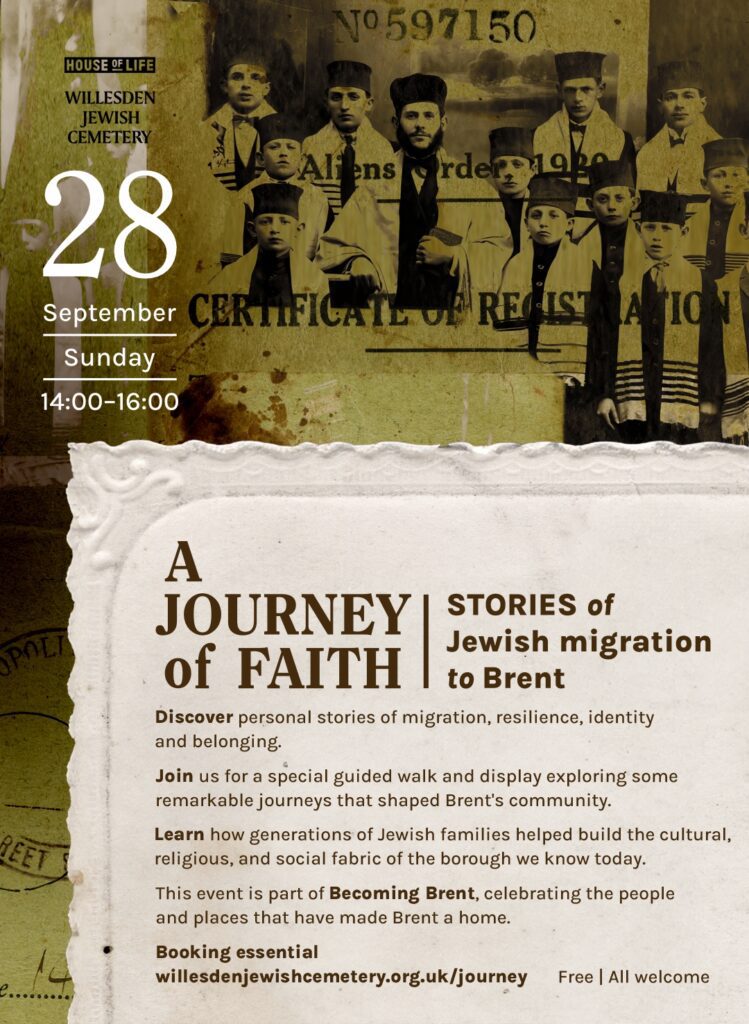
Discover personal stories of migration, resilience, identity and belonging.
Join us for a special guided walk and display of artefacts and photos exploring some remarkable journeys that shaped Brent’s community.
Learn how generations of Jewish families helped build the cultural, religious and social fabric of the borough we know today.
Free refreshments available
Free | All welcome | Booking essential
Information on what to expect when visiting a Jewish cemetery:
https://www.willesdenjewishcemetery.org.uk/visitor-guidance
Free parking is available on site.
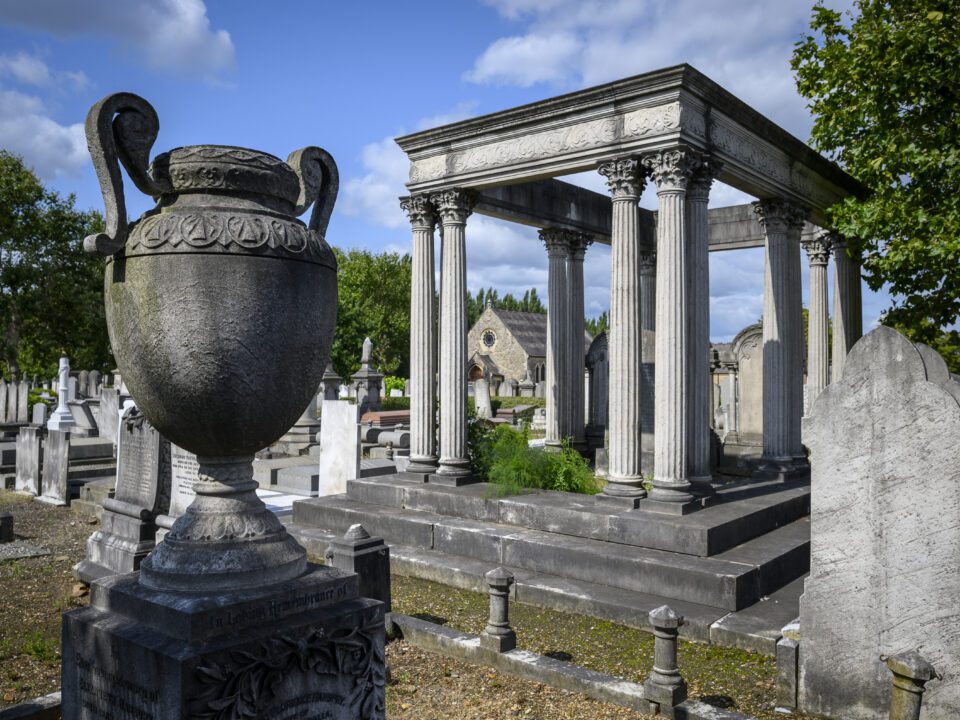
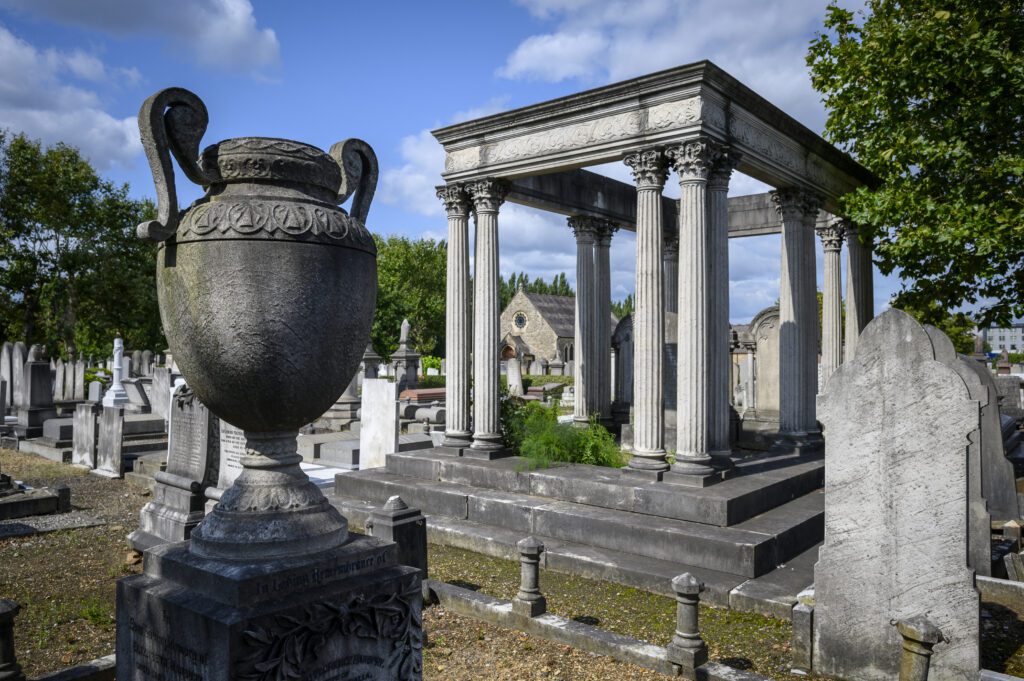
Discover the hidden stories behind the striking architecture of Willesden Jewish Cemetery. Led by dedicated and knowledgeable volunteers, this special guided walk reveals the rich symbolism of Jewish and Victorian funerary art and the architecture of the cemetery. It uncovers the stories behind some remarkable people laid to rest here.
You can also explore the grounds on your with our free guide on the Bloomberg app: https://www.willesdenjewishcemetery.org.uk/mobile-guide, where our volunteers share exciting stories of many famous individuals buried here.
Don’t miss our trail designed for ages 7–14 but suitable for all ages. You can pick it up from the Heritage Centre and set off on an engaging journey through the cemetery, discovering rich symbolism and hidden stories along the way.
Information on what to expect when visiting a Jewish cemetery:
https://www.willesdenjewishcemetery.org.uk/visitor-guidance
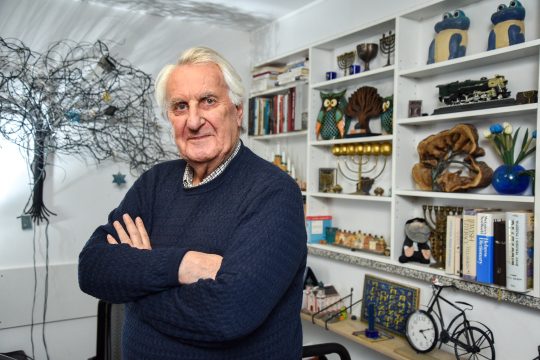
The Man Who Is Not There, a literary event with Branko Šömen. The event will be hosted by Benjamin Langner.
Writer, screenwriter, publicist and poet Branko Šömen has collected six short stories in a new book and titled them after his award-winning ballad The Man Who Is Not There, which was sung by Majda Sepe during the golden age of Slovenian pop music. The opening short story is dedicated to a recently deceased friend, and the other short stories are also marked by mortality. They are set in different places and times: in Jerusalem, the distant heroic history of the Knights Templar, the time of Mozart and post-war Slovenian history. The book was published by the publishing house Mladinska knjiga Založba.
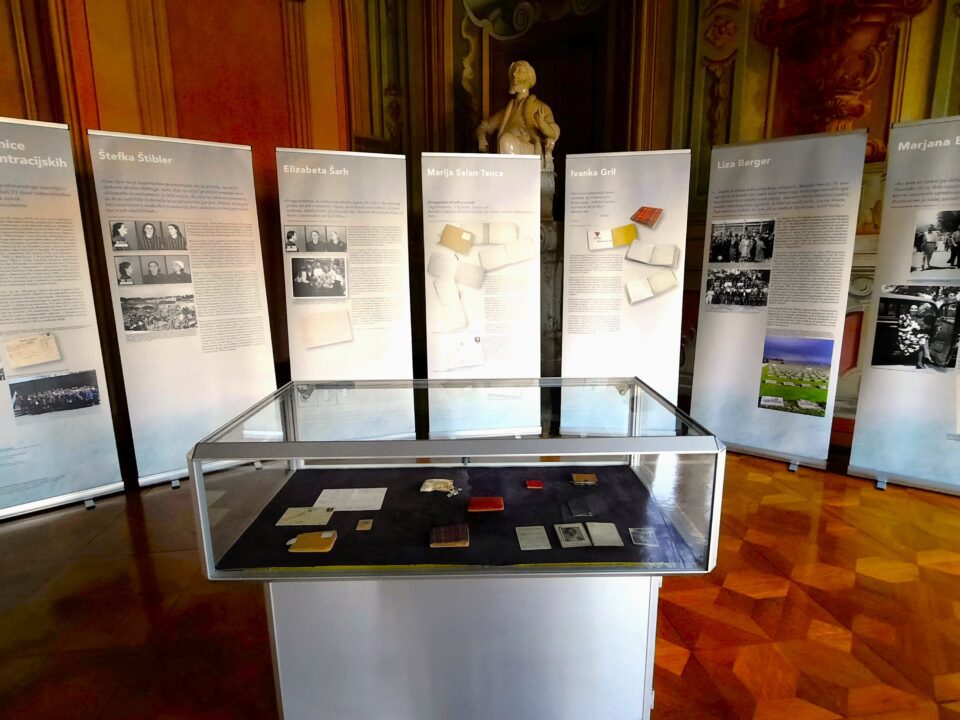
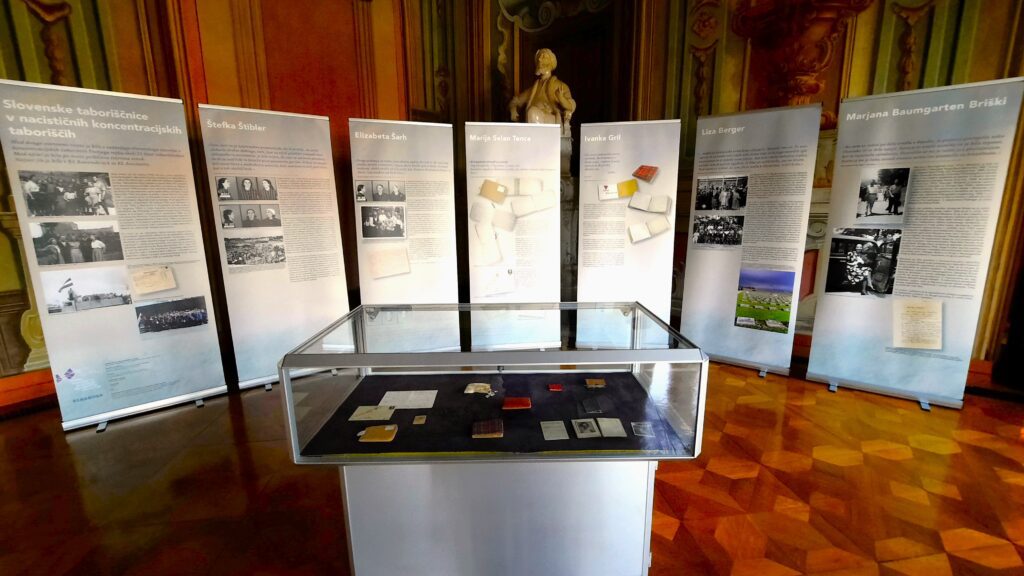
Slovenian Female Inmates in Nazi Concentration Camps, opening of the visiting exhibition of the Maribor Synagogue and the MNSZS
During World War II, around 21,000 camp inmates were deported from the current Slovenian territory to the concentration camps of the Third Reich. Among them, it is estimated that about a quarter were women, most of whom were interned in the Nazi concentration camps in Ravensbrück and Auschwitz. The exhibition, prepared by Boris Hajdinjak (Center of Jewish Cultural Heritage Synagogue Maribor) and dr. Monika Kokalj Kočevar (National Museum Of Contemporary History Of Slovenia), tells the story of the tragic fate of Slovenian camp women, many of whom did not survive. The exhibition was premiered in 2024 at the National Museum Of Contemporary History Of Slovenia.,