
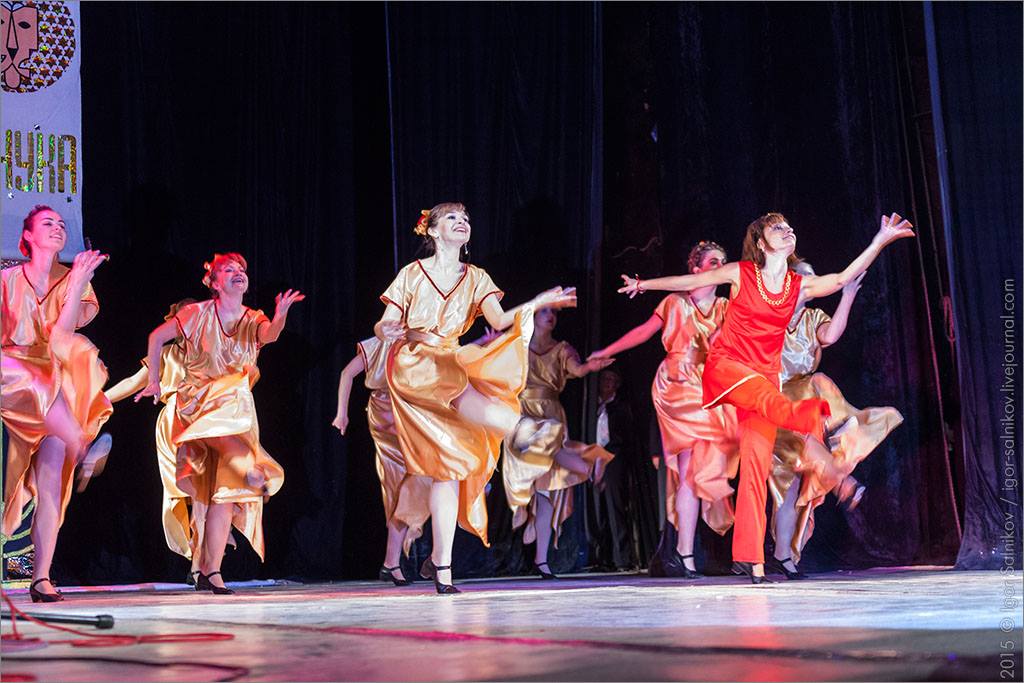
Klezmer Musik. Ensemble "Shoshana". Populäre und traditionelle jüdische Lieder und Tänze

Klezmer Musik. Ensemble "Shoshana". Populäre und traditionelle jüdische Lieder und Tänze

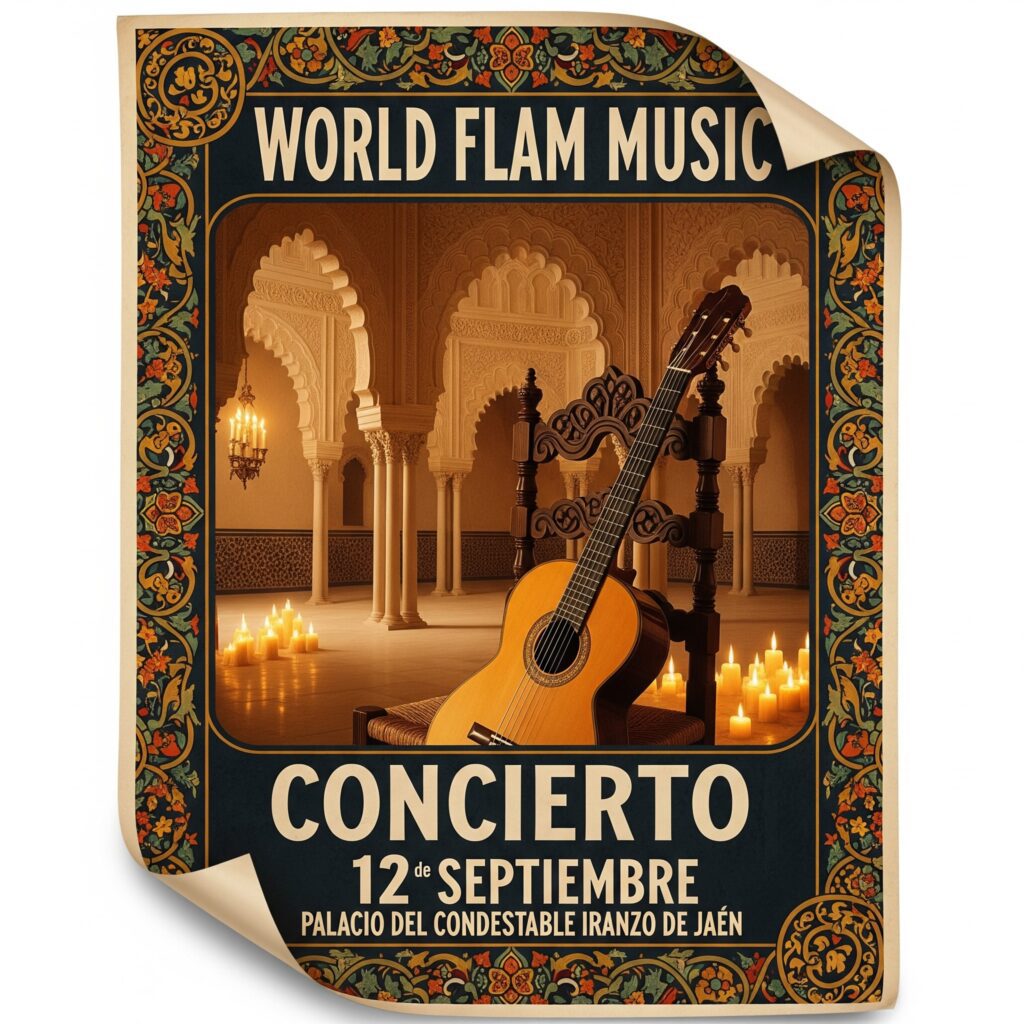
Enmarcado dentro de las Jornadas Europeas de la Cultura Judía de 2025, el grupo World Flam Music ofrecería un concierto vibrante que fusiona la rica tradición de la música sefardí con elementos del flamenco y otras influencias globales. Las melodías sefardíes, con raíces en la diáspora judía de la España medieval, narran historias de amor, exilio y celebración, interpretadas en ladino (judeoespañol) y acompañadas por instrumentos tradicionales como el oud, la darbuka, el violín y la guitarra flamenca. La actuación destacaría por su emotividad, combinando la melancolía de las romanzas sefardíes con el ritmo apasionado del flamenco.

Concert “No Gevalt. Shalom”
In times of war, when unity among all citizens of Ukraine is more important than ever, it is vital to highlight the historical and cultural Jewish heritage as part of the shared history of the region. Eastern Galicia, with Lviv as its cultural center, has been a hub of Jewish life and literature in the Austrian Empire and Poland throughout the 19th and early 20th centuries. The 2025 European Days of Jewish Culture theme, “People of the Book,” provides an opportunity to share this rich heritage with the local population.
The program includes a concert in the historic building of the former Jewish theater, consisting of two parts:
-
Musical performance of “Stempenu” by Shalom-Aleichem featuring star actor Avi Hoffman (USA) accompanied by the Lviv Symphonic Orchestra
-
Klezmer concert with local musicians and guests from Poland, Germany, and Norway, celebrating Jewish musical traditions.
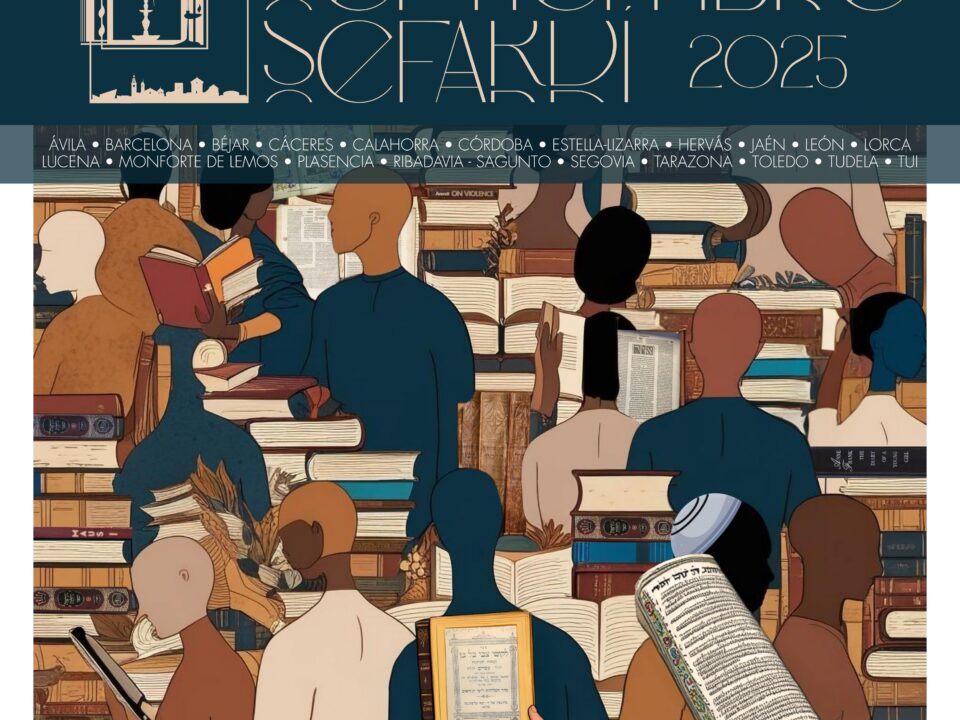
Sephardic September at Lucena
Lucena celebrates its rich Sephardic heritage during Sephardic September, a series of events, tours, and activities that highlight the city’s historical role as the “Pearl of Sefarad” and “City of Poets.” Since joining the Network of Jewish Quarters of Spain, Lucena participates annually in the European Days of Jewish Culture, connecting 37 countries in a shared celebration of Jewish history, architecture, and cultural heritage.
In 2025, the theme “The People of the Book” emphasizes the collective effort of the 21 cities of the Network to preserve the Sephardic legacy and promote awareness of Jewish communities’ historical and cultural contributions.
Program Highlights:
-
Eliossana Premium
-
Date & Time: Friday, September 5, 2025, 8:00 PM
-
Place: Jewish Necropolis
-
Price: Free (registration required at www.turlucena.com
-
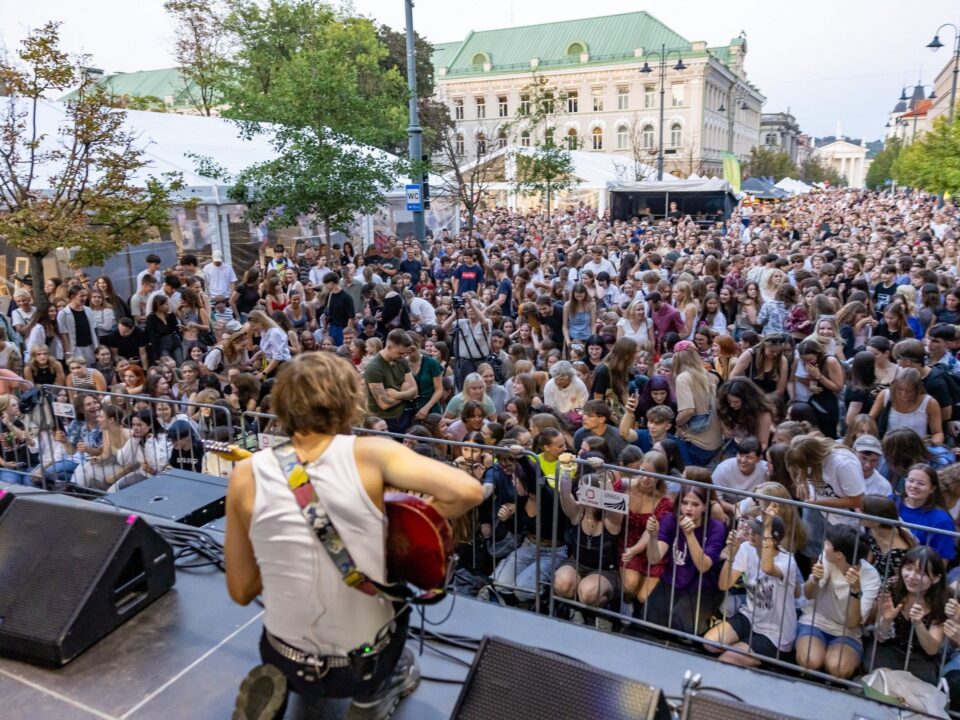
Rakija Klezmer Orkestar Performance – Vilnius Days Festival
Vilnius is a multicultural city that actively celebrates and promotes diverse cultures. The Vilnius Days Festival is one of the most significant examples of this diversity, bringing together representatives from various ethnic communities. The festival attracts over 330,000 visitors annually and highlights the city’s multicultural identity and openness.
During the festival, the Rakija Klezmer Orkestar performs, presenting unique compositions inspired by Jewish sounds and heritage. Their music celebrates the rich traditions of Litvak klezmer, a legacy for which few pre-war recordings or sheet music survive. To preserve this heritage, the ensemble travels across Lithuanian Jewish communities, recording memories of older community members and bringing them to life through performance.
Join us if you are a Festival-goer, music enthusiast, and/or interested in Jewish culture and Litvak klezmer traditions.

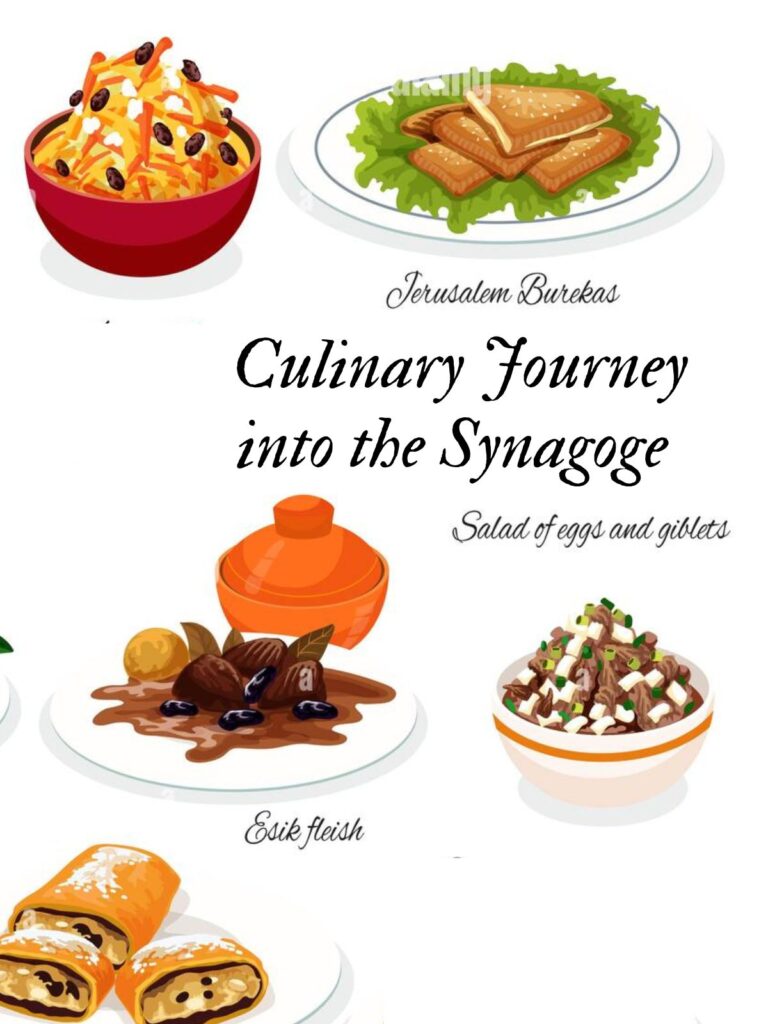
This interactive event invites people of all backgrounds to discover Jewish culture through food. Inside the Magdeburg Synagogue, participants will prepare traditional Jewish dishes while learning about Kashrut (Jewish dietary laws) and the cultural stories behind the recipes. The event concludes with a shared meal in a welcoming and respectful atmosphere. The goal is to foster dialogue, understanding, and connection within the local community.#
Please note that for this project we will only need 600 Euros. Unfortunately it was not possoble to submit the application because of some technical problems.
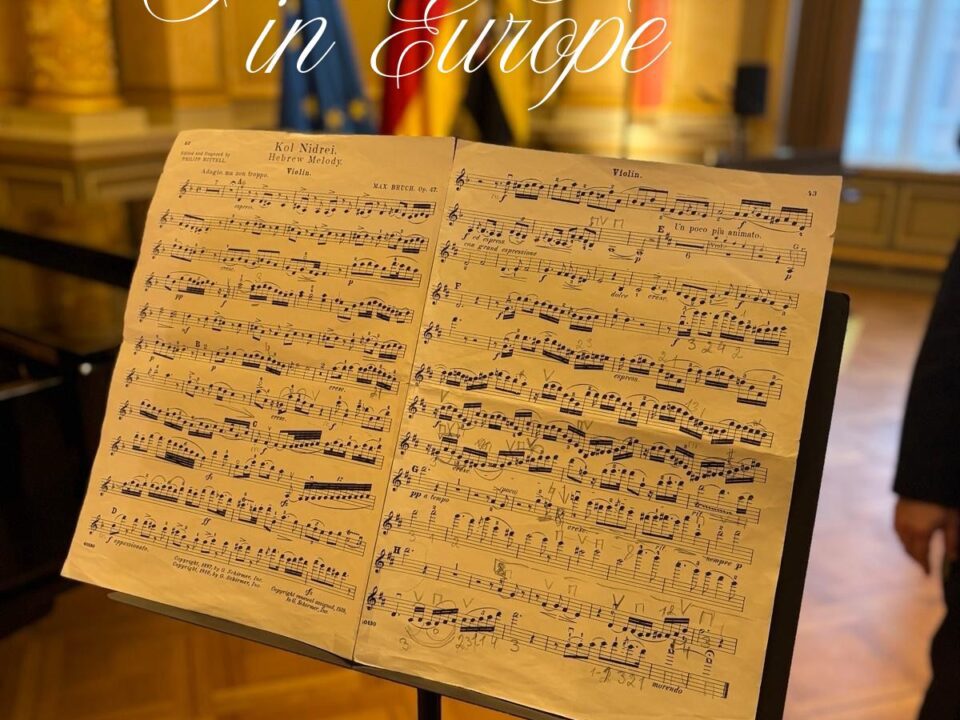
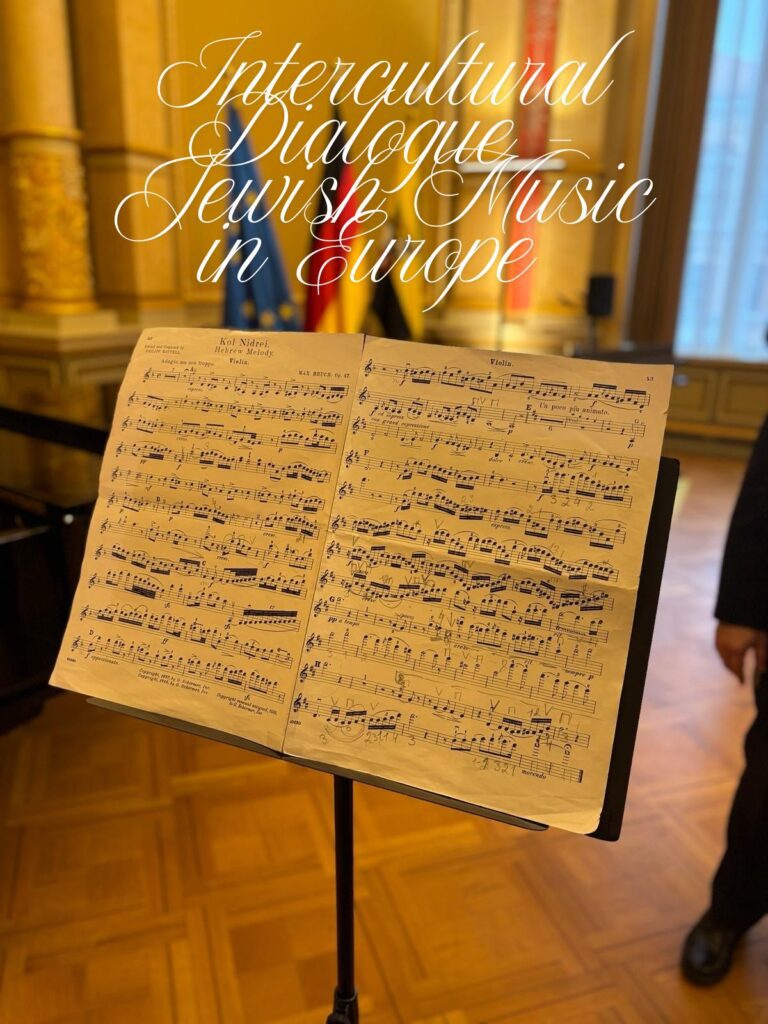
Intercultural Dialogue – Jewish Music in Europe in Conversation with European Composers
The event celebrates the musical and cultural exchange between Jewish traditions and European music. It emphasizes intercultural dialogue, connecting Jewish liturgical music, klezmer, Israeli folk songs, and works by notable European composers from different historical periods. An experienced moderator guides the audience, placing each piece in its historical and cultural context.
The program combines live musical performances with educational insights, promoting mutual understanding through music. Children and youth (ages 0–12) actively participate in the concert as central contributors, experiencing and co-creating a variety of musical traditions. To complement the cultural experience, participants are invited to taste traditional Jewish sweets and delicacies.
Music Program (Selection):
-
Traditional klezmer pieces
-
Jewish liturgical melodies
-
Israeli folk songs
-
Works by Jewish composers such as Ernest Bloch, Leonard Bernstein, Felix Mendelssohn
-
Works by European composers (Mozart, Beethoven, Brahms) in dialogue with Jewish soundscapes
Target group:
Families, young musicians, and general audiences interested in Jewish and European musical traditions.

Opening of the Exhibition: People of the Book – Jewish Literature and Its Legacy
September 24, 2025 at 1pm
Center of Jewish Cultural Heritage Synagogue Maribor
The Center of Jewish Cultural Heritage Synagogue Maribor will be hosting an informative exhibition of the most important Jewish holy books and secular literature for this year’s Jewish Year of the Book. This will be the first such exhibition in the Slovenian language, which will, on the one hand, introduce visitors to the Synagogue Maribor to the importance of Jewish literature for the development of Jewish thought, belief, and tradition, and on the other hand, present some of the most prominent Jewish writers.
The panel-type exhibition will be prepared in such a way that each panel will present an independent thematic content, which, in conjunction with the remaining chapters, will also provide insight into the broader context of the chosen theme of the European Days of Jewish Culture “The People of the Book”.




The “Anschluss” of 1938 as a Rupture for Jews Residing Beyond the Large Jewish Communities
Municipality of Großwarasdorf
The annexation of Austria to the German Reich in March 1938 marked a decisive turning point for all Jews in Austria. In Burgenland, expulsions and discriminatory measures began immediately, targeting not only the well-documented larger Jewish communities, but also small villages where just one or two Jewish families lived. These smaller communities, often overlooked in historical accounts, were equally affected by persecution and expulsion.
This event in Großwarasdorf, representative of many Burgenland villages, will shed light on the fate of Jews living outside the major communities. Historian Michael Schreiber will present a lecture tracing their lives before and after the “Anschluss,” illustrated by the case of Großwarasdorf and its surroundings.