
Jewish Tour in Donji grad is the third continuation of the guided tour "Traces of Jewish Heritage in Osijek", which forms an integral part of the Month of Jewish Culture. As the name suggests, the new tour is connected to the area where the Jewish community in Donji Grad once operated. During the walk, the participants will learn several dramatic stories about our former fellow citizens, about the fate of the Jewish Nursing Home, about the double robbery of Jewish property, but also about the Allied bombing of Donji Grad in 1944. The tour will end with a visit to the former Donji Grad Synagogue in Cvjetkova Street.
Gathering in the park in front of the flower shop "Fantazija" (Trg bana Jelačića 9)
Guide: Tomislav Vuković

Jewish Tour in Donji grad is the third continuation of the guided tour "Traces of Jewish Heritage in Osijek", which forms an integral part of the Month of Jewish Culture. As the name suggests, the new tour is connected to the area where the Jewish community in Donji Grad once operated. During the walk, the participants will learn several dramatic stories about our former fellow citizens, about the fate of the Jewish Nursing Home, about the double robbery of Jewish property, but also about the Allied bombing of Donji Grad in 1944. The tour will end with a visit to the former Donji Grad Synagogue in Cvjetkova Street.
Gathering in the park in front of the flower shop "Fantazija" (Trg bana Jelačića 9)
Guide: Tomislav Vuković
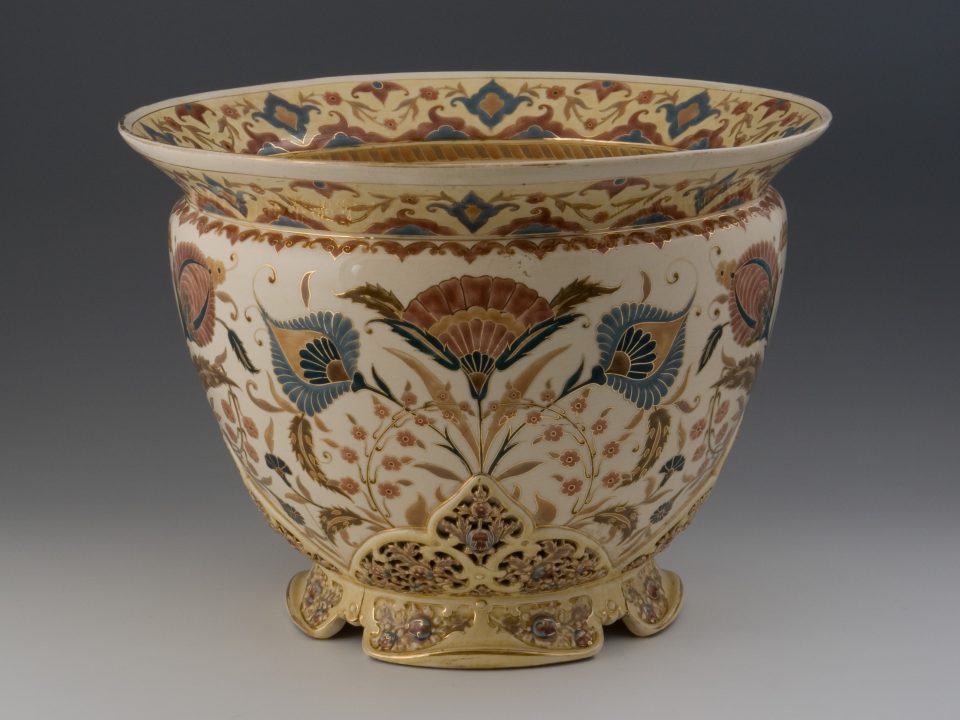
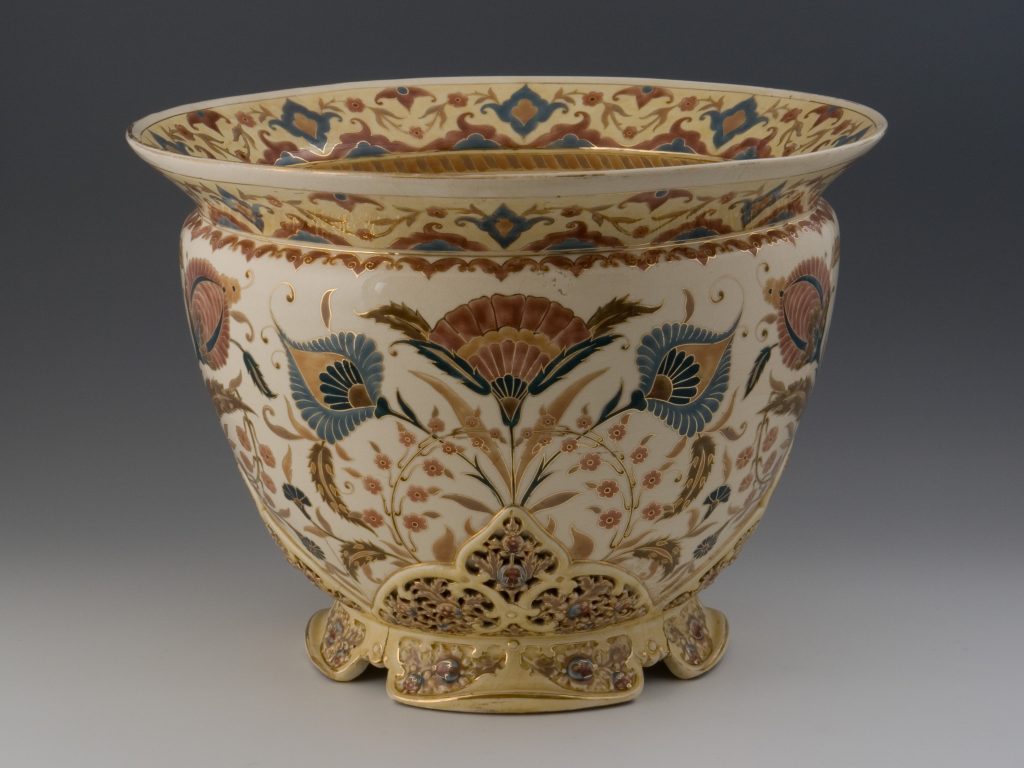
Through the story of everyday objects that decorate the space of the home, we get to know several Osijek Jewish families. Seemingly ordinary museum material from the Ceramics Collection, like porcelain dishes, vases, cups and plates, majolica jardinières, opens interesting topics about housing culture, decorating the family home and the spirit of collecting.
Analyzing ceramics like any other material testimony, we find informations on where the objects come from, who made them, ordered them or used them. That’s how we connect with the previous owners, we listen to all the happy and sad moments they went through.
Ceramic objects, like silent walls, tell us about the awareness of preserving cultural heritage collected in the family environment for generations. This history in fragments comes from the museum fund preserved from the time of the Second World War.
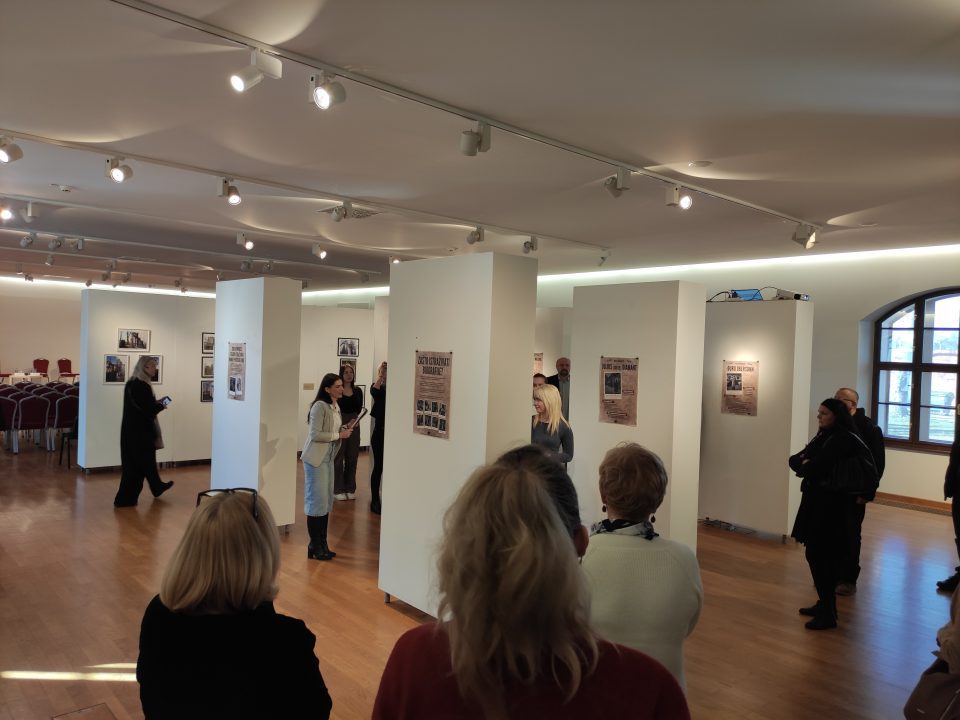
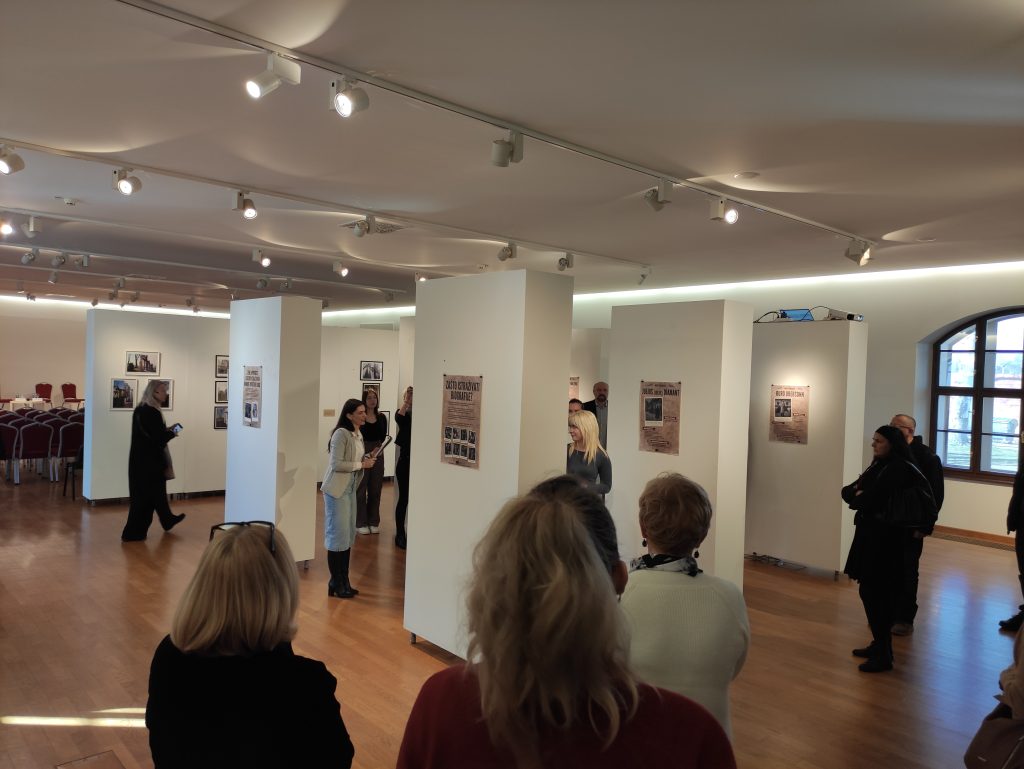
Europe House Vukovar together with Vukovar's gymnasium presents the project "Who did we forget? The heritage of the Jews in our city". Project partners are Kreuzberger Initiative gegen Antisemitismus , Berlin and Documenta – Centar za suočavanje s prošlošću, Zagreb.
The students from the Vukovar's gymnasium will present their research through several exhibitions.
The event is a part of Month of Jewish Culture and will take place in the City and University Library Osijek.
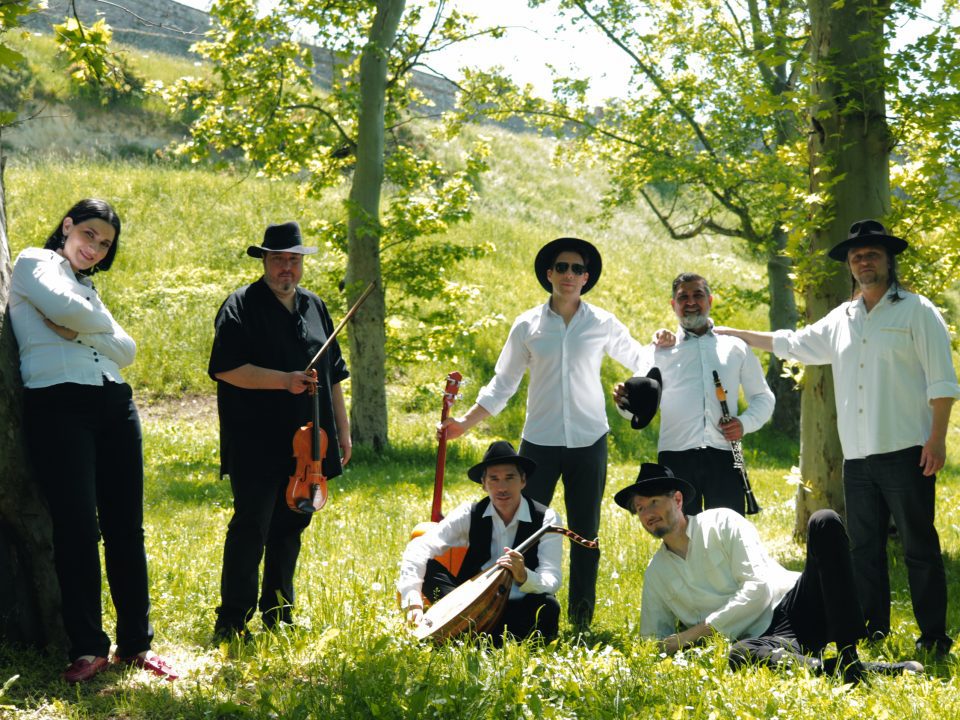
Opening of the Month of Jewish Culture with a concert of Shira U'tfila in the foyer of HNK (Croatian National Theatre), Osijek
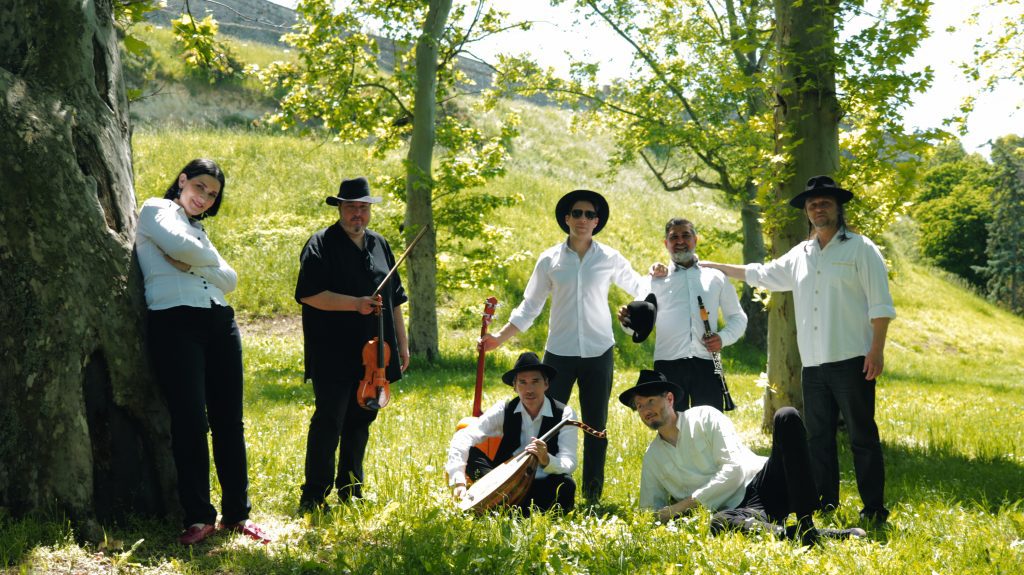
Shira U’tfila (Song & Prayer) is a multi-ethnic, multi-confessional ensemble inspired by the rich and diverse traditions of Judeo-Spanish, Ottoman-Turkish, Arabic, and Balkan music. Founded in 2000 by vocalist and oud player Stefan Sablić, the ensemble is dedicated to preserving and promoting the Sephardic musical heritage of the Balkans, the Mediterranean, and North Africa.
With seven CDs released, performances in over a dozen countries, and numerous collaborations on research and production projects, Shira U’tfila passionately blends classical traditions with improvisation and fusion, creating a unique and modern twist on historical legacies.
Band Members:
– Branislava Podrumac – Vocal
– Stefan Sablić – Vocal, Oud
– Filip Krumes – Violin
– Sinan Aćifovic – Clarinet
– Srđan Đorđevic – Double Bass
– Goran Milosević – Percussions
– Aleksandar Jovanović Šljuka – Piano
Shira U’tfila focuses on the Balkan Sephardic repertoire, bringing to life unique songs from old field recordings that have never been commercially published or performed.

Sálom utca – Salom Street is the first Jewish cultural festival where contemporary arts play the leading role.
On this day, around 12 outdoor installations will showcase contemporary Jewish culture and art in Csányi Street, the shortest street in the 7th district, which is the jewish district in the center of Budapest.
Between 10am and 6pm, there will be around 20 different events on the street, like concerts, exhibitions, literature, donation station, gastronomy, quiz, children corner etc. In line with the theme of the year, most of the events are family-related.
The next season of Gólem Theatre is dedicated to the 100th anniversary of Kafka's death. In collaboration with the Czech Centre, audiences will hear a concert and see an exhibition and a dance performance too on this day.

On September 1, at 6 p.m., we invite the residents of Płock and everyone interested to the premiere of a documentary film made by the Nobiscum Foundation on the initiative of Arieh Bomzon and Sandra Brygart Rodriguez – descendants of the Bomzon and Brygart families from Płock.
The film shows their sentimental journey to their hometown and their efforts to discover their roots and "fill the genealogical suitcase", as well as get to know places related to the past of their families. The film was based on interviews conducted by the Nobiscum Foundation with Arieh, Sandra and Arieh's granddaughter – Tomer in the spring of 2023 in Płock as well as recordings of Arieh's sons: Ze'ev, Ilan and David.
The film will also be presented to the audience of the Memorial House in Płońsk and posted on the website of the Nobiscum Foundation.

Free guided tours of the Jewish Museum, the synagogue, and the exhibition “Holocaust in Ljubljana” at 12 PM and 6 PM, featuring five video stories of five Jewish families from Ljubljana.
On Sunday, September 1st, the Jewish Cultural Center Ljubljana on Križevniška Street will organize the event “Jewish Life in Ljubljana 2,” which will intertwine Jewish music performed by the Kontra Quartet from Maribor and cantor Nikola David from Munich, and the stories of Jewish families from Ljubljana before World War II and during the Holocaust and their predominantly tragic fates. The stories of Jewish families from Ljubljana will be narrated by actors: Robert Korošec, Timotej Novaković, Nika Korenjak, and Robert Waltl.
Organizing such events today is extremely important, as it enables the preservation of historical memory, the strengthening of cultural awareness, and mutual understanding.

On Sunday, September 1st, the Jewish Cultural Center Ljubljana on Križevniška Street will organize the event "Jewish Life in Ljubljana 2," which will intertwine Jewish music performed by the Kontra Quartet from Maribor and cantor Nikola David from Munich, and the stories of Jewish families from Ljubljana before World War II and during the Holocaust and their predominantly tragic fates. The stories of Jewish families from Ljubljana will be narrated by actors: Robert Korošec, Timotej Novaković, Nika Korenjak, and Robert Baruh Waltl.
Organizing such events today is extremely important, as it enables the preservation of historical memory, the strengthening of cultural awareness, and mutual understanding. These events allow us to remember the past, reflect on the present, and build a better future where tolerance and acceptance of diversity are the foundations of society.




Viele junge Jüdinnen und Juden haben in der Vergangenheit immer wieder mutig das Wort ergriffen und für das gekämpft, was sie für richtig halten und woran sie glauben. Heute leben mindestens 25.000 Jüdinnen und Juden zwischen 18 und 35 in Deutschland. Wer sind diese jungen Menschen, die sich zu Wort melden? Was treibt sie an? Wie steht ihr politisches Engagement im Zusammenhang mit ihrer jüdischen Identität? Monty Ott und Ruben Gerczikow stellen ein Kaleidoskop jüdischer Identitäten zusammen, die im Widerspruch zu der erinnerungskulturellen Festschreibung von Jüdinnen und Juden als passiven Opfern stehen.
Ein Kaleidoskop jungen jüdischen Lebens, das liefern der Autor Ruben Gerczikow und der Politik- und Religionswissenschaftler Monty Ott in ihrem Buch „Wir lassen uns nicht unterkriegen“. Darin haben sie mehr als ein Duzend junger jüdischer Menschen bei ihrem Engagement begleitet und erzählen in kurzen Reportagen davon.