
Márton Faragó – The First Educated Painter of Jewish Origin from Lendava, documentary exhibition by Dr Albert Halász
Márton Faragó was born in 1880 in Dolnja Lendava (today’s Lendava) as Mór Freyer. He was the youngest of eight children in the family of a Jewish merchant. Already at a young age, Marci, as he was called, showed a talent for painting, so that after schooling in his hometown, in 1895 he enrolled at the State Royal School of Applied Arts in Budapest, where he graduated with honours in 1900 at the Department of decorative painting. Later he studied at the Hungarian University of Fine Arts in Budapest, and he also trained with one of the most prominent painters at the time, Simon Hollósy, the founder of several painting schools (Nagybánya/Baia Mare, Técső/Tyachiv, Munich). At Hollósy’s painting camp in Tecso, Faragó is said to have met the famous painter Ferenc Sass Brunner, with whom they became friends and in 1908 founded their first painting school in Szombathely. Later, painting schools – which were not only intended for the development of painting skills, but also for the promotion of artistic creation and art in general – were also established in some other places. Dr Albert Halász, associate of the local history department of the Provincial and Study Library Murska Sobota.
__________
Márton Faragó – prvi izobraženi slikar judovskega porekla iz Lendave, dokumentarna razstava avtorja dr. Alberta Halásza
Márton Faragó je bil rojen leta 1880 v Dolnji Lendavi (današnja Lendava) kot Mór Freyer. Bil je najmlajši od osmih otrok v družini judovskega trgovca. Že v mladih letih je Marci, kot so ga klicali, pokazal nadarjenost za slikanje, tako da se je po šolanju v domačem kraju leta 1895 vpisal v Državno kraljevo šolo za uporabno umetnost v Budimpešti in leta 1900 z odliko končal študij na Oddelku za dekorativno slikarstvo. Kasneje je študiral še na Madžarski univerzi likovnih umetnosti v Budimpešti, izpopolnjeval pa se je tudi pri Simonu Hollósyju, enem tedaj najvidnejših slikarskih mojstrov in ustanovitelju več slikarskih šol (Nagybánya/Baia Mare, Técső/Tyachiv, München). Na Hollósyjevem slikarskem taboru v Tecsoju naj bi spoznal znamenitega slikarja Ferenca Sassa Brunnerja, s katerim sta se spoprijateljila in leta 1908 ustanovila svojo prvo slikarsko šolo v Szombathelyu. Pozneje sta slikarske šole ustanovila tudi v nekaterih drugih krajih, njune šole pa niso bile namenjene zgolj razvijanju slikarskih veščin, temveč tudi promociji likovnega ustvarjanja in umetnosti nasploh. Razstavo z originalnimi likovnimi deli slikarja bo pripravil in na otvoritvi o njej spregovoril dr. Albert Halász, sodelavec domoznanskega oddelka Pokrajinske in študijske knjižnice Murska Sobota.
Organizator:
Pokrajinska in študijska knjižnica Murska Sobota
Program je podprlo:
Ministrstvo za kulturo Republike Slovenije
Márton Faragó – The First Educated Painter of Jewish Origin from Lendava, documentary exhibition by Dr Albert Halász
Márton Faragó was born in 1880 in Dolnja Lendava (today’s Lendava) as Mór Freyer. He was the youngest of eight children in the family of a Jewish merchant. Already at a young age, Marci, as he was called, showed a talent for painting, so that after schooling in his hometown, in 1895 he enrolled at the State Royal School of Applied Arts in Budapest, where he graduated with honours in 1900 at the Department of decorative painting. Later he studied at the Hungarian University of Fine Arts in Budapest, and he also trained with one of the most prominent painters at the time, Simon Hollósy, the founder of several painting schools (Nagybánya/Baia Mare, Técső/Tyachiv, Munich).

EL ÁRBOL DE LA FAMILIA
La familia en la cultura judía europea es un tema que une tradición y modernidad. Desde las antiguas narrativas bíblicas la familia judía equilibra la preservación del patrimonio con la adaptación a la vida moderna. La evolución del papel de las mujeres y el concepto de familia elegida reflejan la diversidad y fortaleza de estas comunidades.
Explorar la familia judía en Europa es entender cómo las generaciones jóvenes interpretan y transmiten las tradiciones, asegurando la relevancia y vitalidad continua de la vida familiar.
Busca los árboles de la familia que hay en el Castillo y en la Ciudad de Lorca, ¡hazte una foto y participa!
Fechas: Del 1 al 30 de septiembre
Precio: Gratuito
Lugares: Centro de Visitantes y Castillo de Lorca
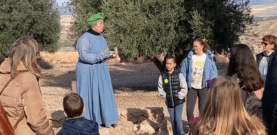
Lorca Taller del Tiempo, ofrece una visita teatralizada con un personaje judío que recorrerá con los visitantes parte de la fortaleza con parada en el Aljibe del Espaldón y en el Parque Arqueológico y su Sinagoga, para
descubrir cómo era la vida de los judíos medievales de Lorca.
Fecha:Domingo 1 de septiembre
Lugar: Castillo de Lorca (Fortaleza del Sol)
Horarios pases: 11.45h y 13.15h
IMPRESCINDIBLE LLEGAR CON UNA ANTELACIÓN DE 20MIN. A LA RECEPCIÓN DEL CASTILLO DE LORCA (FORTALEZA DEL SOL) PARA VALIDAR SU ENTRADA.
Precios:
10.50€ Adultos y niños a partir de 16 años.
8.50 € Entrada reducida niños entre 5 y 16 años; y personas con derecho a reducción. Poseedores Tarjeta Amig@ de Lorca.
Gratis menores de 0-4 años.
Raised for Success – The Legenstein Family, lecture by Ana Šestak
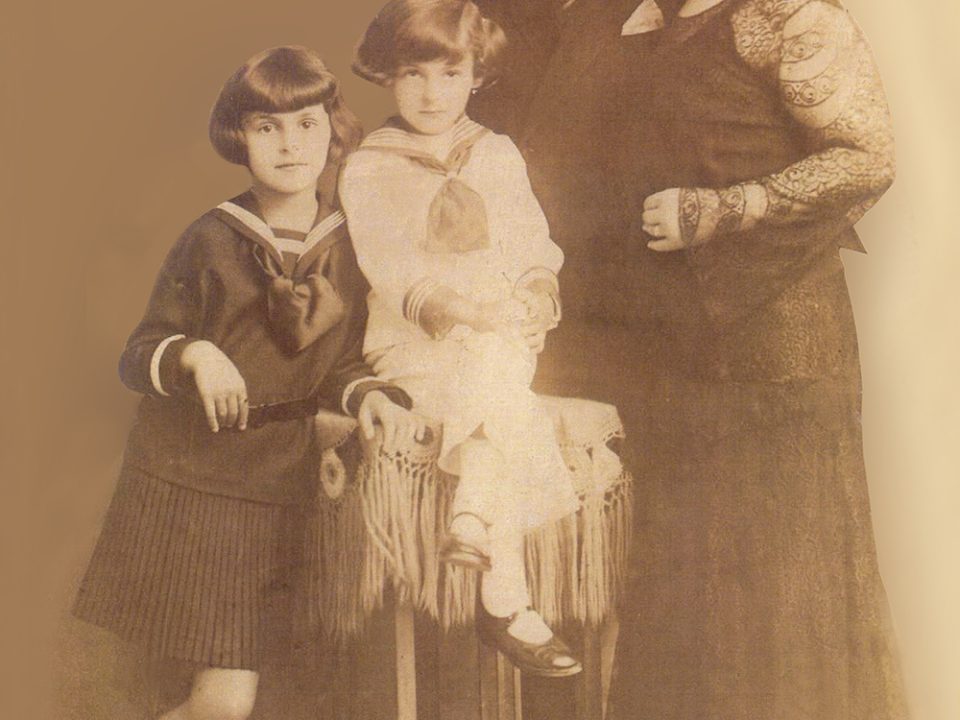
In her lecture, Ana Šestak, historian and senior curator at the Museum of Međimurje Čakovec (Croatia), will shed light on the origins and life of the Legenstein family in Murska Sobota. In addition, she will present the most important aspects of this family’s life in Čakovec and their fate during World War II. In doing so, the lecturer will highlight individuals and events from Murska Sobota. The lecture will be held in Croatian language.
__________
Vzgojeni za uspeh – družina Legenstein, predavanje Ane Šestak
Ana Šestak, višja kustosinja zgodovinarka v Muzeju Medžimurja Čakovec, bo v predavanju osvetlila izvor in življenje družine Legenstein v Murski Soboti, najpomembnejše vidike njenega življenja v Čakovcu ter njeno usodo med drugo svetovno vojno.

A Bisale Mazl – A Bit of Luck – Egy kis mázli: Day of Jewish Culture, concerts of Jewish music
18.00–20.00: “Almonds and Raisins”, evening of chansons with Vita Mavrič and the Kvartet Akord. The programme will begin with an introductory address by the President of the Hungarian Self-Governing National Community of Pomurje, Dušan Orban, and a dance performance by children from a bilingual kindergarten in Domanjševci.
20.00–22.00: “Evening of Jewish Music”, concert by Isabel Frey (Vienna, Austria) and the Styrian Klezmore Orchestra (Graz, Austria). The introduction to the musical evening will be accompanied by an address speech by Sonja Reiser-Weinzettl, director of the Austrian Cultural Forum in Ljubljana. The programme will be moderated by the television journalist Igor E.

A Bisale Mazl – A Bit of Luck – Egy kis mázli: Day of Jewish Culture, various events
14.00–15.00, at the ‘Stolpersteine’ memorials in front of the municipal building (Šalovci 161): “A Bisale Mazl”, opening of the Day of Jewish Culture with a welcome address by the coordinator of the EDJC in Slovenia, Marjetka Bedrač, and performances by students of the Šalovci Elementary School and singers of Yiddish music from Vienna.
15.00–17.00, Cultural Hall in the Municipal Building (Šalovci 161): “Life and Work of Jewish Families in the Municipality of Šalovci”, discussion with researcher Marko Krenn and writer Dušan Šarotar. The conversation, which will begin with an introductory greeting by the Mayor of the Municipality of Šalovci, Iztok Fartek, will be hosted by television journalist Igor E.
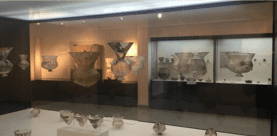
Visita guiada al Museo Arqueológico Municipal, donde se encuentra los restos arqueológicos hallados en las excavaciones de la judería lorquina y su sinagoga. Allí se podrán admirar restos de las vajillas de cerámica, utensilios metálicos, documentos escritos, yeserías, hanukkiyot y parte de la colección de lámparas que iluminaban la sinagoga, reconstruidas a partir de múltiples fragmentos de vidrio.
A continuación, esta visita se completará con un recorrido guiado por dos museos de bordados de Semana Santa, declarada de Interés Turístico Internacional, se visitarán las cofradías del Paso Blanco y del Paso Azul para conocer la estrecha relación entre algunos pasajes bíblicos judíos y las imágenes representadas en los mantos bordados en seda y oro con la técnica de bordado lorquino, que actualmente está propuesta para conseguir la declaración de Patrimonio Inmaterial de la Humanidad de la UNESCO.
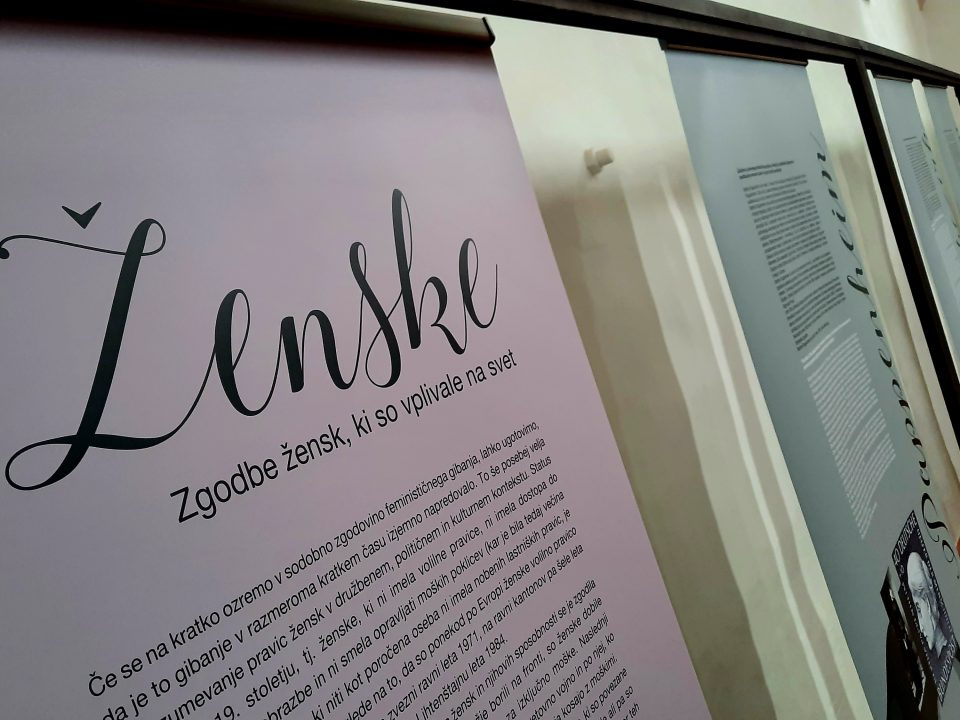
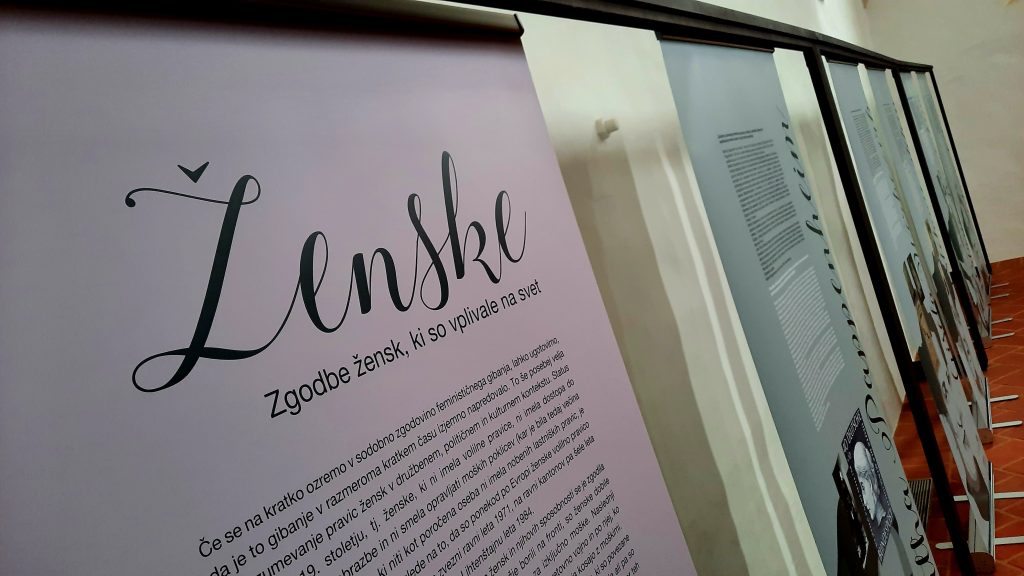
Women. Stories of Women Who Influenced the World, documentary exhibition of the Museum of Jewish Culture in Bratislava
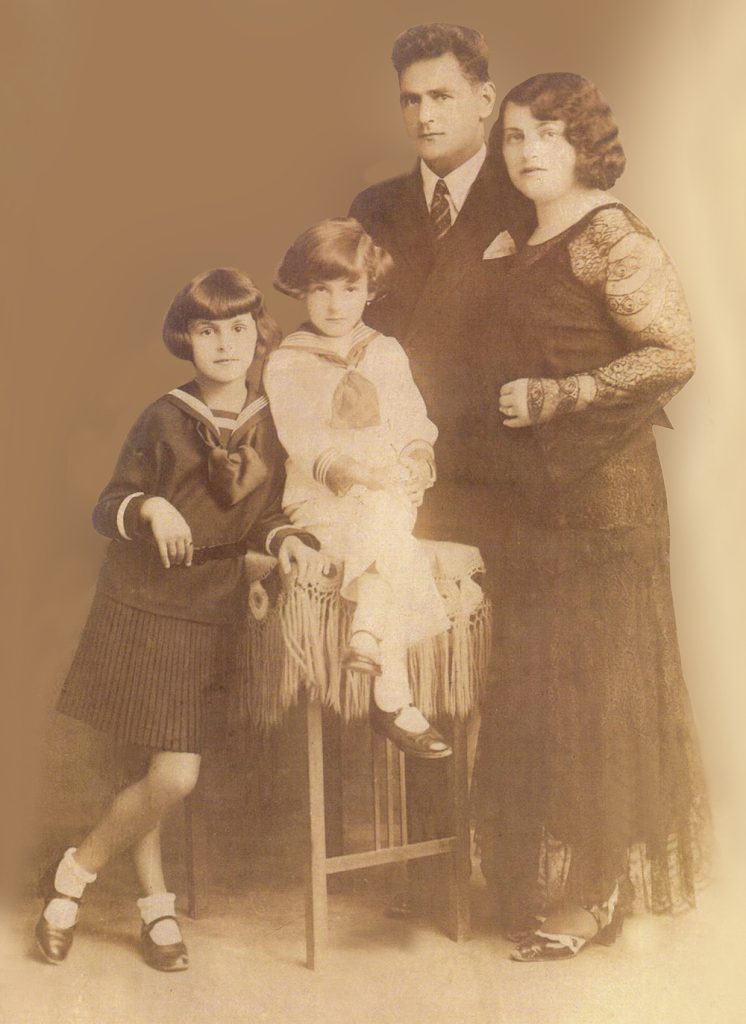
The Museum of Jewish Culture in Bratislava, which operates under the auspices of the Slovak National Museum, once again presents itself to the visitors of the Synagogue Maribor: this time with the exhibition “Women. Stories of Women Who Influenced the World”. This exhibition tells the story of inspiring women of Jewish origin who are connected to today’s Slovak territory – whether they were born there, lived there or were of Slovak origin – and whose work has also reached the international arena. The selection of the personalities presented at the exhibition was quite a challenge, and the authors of the exhibition focused on representatives from various fields of science and art and from the business world.




¿Te gustaría visitar una fortaleza medieval? ¿Conocer todos y cada uno de sus rincones? ¿Disfrutar de un entorno único en el que habitaron tres culturas diferentes? Ven a visitar el Castillo de Lorca al completo:
ESPACIO 1: Parque Arqueológico y Sinagoga. ¿Has estado alguna vez en una judería dentro de un castillo? Ahora tienes la oportunidad de hacerlo y conocer los motivos que llevaron a una importante comunidad judía a construir una sinagoga dentro de las murallas del Castillo de Lorca.
ESPACIO 2: La Torre Alfonsina. ¿Qué harías si pudieses viajar al pasado y fueses Rey en el siglo XIII? Alfonso X el Sabio estuvo varias veces en Lorca y tomó la decisión de levantar en el castillo una torre del homenaje: la Torre Alfonsina.